Installing 1 foot ceiling tiles is a practical way to refresh busy kitchens, basements, offices, or utility rooms without a full remodel. This guide spotlights five well-suited options, highlighting who each product is best for and where they excel. Choose these tiles for quick aesthetic upgrades, reliable acoustics, or simple DIY installations. The selections balance cost, ease of installation, and durability to help you find the right fit for standard 12×12 ceiling grids and flat-substrate applications.
| Product | Best For |
|---|---|
| USG Interiors 1×1 Ceiling Tile (12×12) — 32 Pack | Value-focused projects for busy spaces |
| USG Interiors Tivoli Wood Fiber 12×12 | Stylish yet functional acoustic spaces |
| USG Tivoli Textured 12×12 | Standard ceilings needing a textured look |
| STICKGOO 2×2 PVC Drop Tiles | Large-area, water-resistant installations |
| Armstrong Grenoble 1×1 Ceiling Tiles | Residential rooms needing noise control |
CEILING TILE 1X1′ by USG MfrPartNo 824290

Best for budget upgrades in small rooms where a clean, white, smooth finish suffices. This 32-pack includes standard 12″ x 12″ tiles designed for a staple-up or tongue-and-groove installation, making it well-suited for DIYers replacing old tiles in a busy space.
Who it’s best for: budget-conscious renovators and multi-room projects where uniformity and easy availability matter. Why selected: exceptional value per tile with straightforward installation in existing grids.
Caution: finish and texture are plain; this option may appear less premium in rooms where acoustics or visual depth are important.
USG (6) 12×12 Tivoli Wood Fiber Tiles

Best for spaces that require better acoustics and a refined aesthetic. These wood-fiber tiles deliver solid sound absorption and durability, paired with a Tivoli textured finish that conceals minor ceiling imperfections while adding visual interest.
Who it’s best for: offices, home studios, or living areas where a textured, premium look is desirable. Why selected: strong acoustic performance with an attractive finish.
Caution: wood fiber materials may require careful handling during installation to avoid surface damage; verify grid compatibility if your system differs from standard 12×12 layouts.
USG INTERIORS 4240 Tivoli Textured 12×12, 32 Count
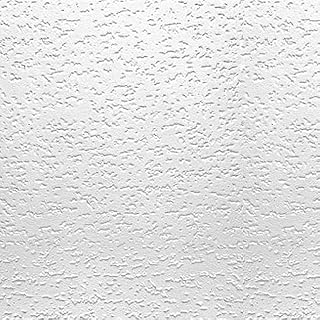
Best for standard ceilings needing a medium-textured finish with simple replacement. These wood-fiber panels offer a balanced texture that blends well with most decors while providing reliable acoustic utility.
Who it’s best for: homeowners or small offices seeking an unobtrusive textured finish. Why selected: straightforward installation with a familiar 12×12 format.
Caution: texture level is moderate; those seeking a highly dramatic surface may prefer a stronger texture option.
STICKGOO PVC Ceiling Tiles, 2’x2′ Pack

Best for larger areas and moisture-prone spaces. These 24×24 inch tiles are PVC, waterproof, and paintable, offering flexibility for basements, laundry rooms, or kitchens. They also tolerate cutting for fixtures with utility-grade ease.
Who it’s best for: projects requiring a water-resistant, easy-to-cut surface. Why selected: broad coverage with 12 tiles per pack and strong moisture resistance.
Caution: larger tiles may require more careful handling and cutting precision; ensure your grid or substrate supports 2×2 tiles if retrofitting a 1×1 grid.
Armstrong Grenoble 1×1 Ceiling Tiles

Best for residential spaces prioritizing noise reduction. Grenoble tiles feature a directional texture and a tongue-and-groove cut that minimizes waste during installation, helping to lower project time in powder rooms, living rooms, or basements.
Who it’s best for: homeowners seeking quiet interiors with a classic look. Why selected: proven noise-damping capability within a traditional 1×1 tile format.
Caution: ensure the grid system is compatible with French-style tongue-and-groove cuts to avoid mismatches or gaps at seams.
Buying Guide
What should I consider before buying 1 foot ceiling tiles?
- Ceiling substrate and grid compatibility: Confirm tiles fit your existing 12×12 or 14/16 gauge grid to prevent fit issues.
- Acoustic needs: If sound control is a priority, prioritize wood-fiber or textured tiles designed to absorb sound.
- Moisture resistance: For basements, bathrooms, or kitchens, choose PVC or vinyl-faced tiles over porous options.
- Texture and finish: Textured surfaces hide imperfections, while smooth finishes convey a clean, modern look. Balance with room style.
- Installation method: Tongue-and-groove cuts save time; staple-up designs require basic fastening tools and an accessible grid.
- Durability and maintenance: Consider wipeable or paintable surfaces for high-traffic or utility spaces.
Practical questions to compare options
- Which tile is best for a budget kitchen update? The USG 1×1 32-pack offers affordability with a clean finish.
- What tile improves room acoustics without a premium look? Tivoli wood-fiber tiles strike a balance between texture and sound dampening.
- Which option is best for moisture-prone areas? STICKGOO PVC tiles provide water resistance and easy cleaning.
- Which tile is easiest to install in a standard home grid? Most 12×12 tiles with tongue-and-groove or staple-up designs work well for DIY installers.
- What tile minimizes installation waste? Grenoble 1×1 tiles are designed for efficient cutting with reduced waste.
FAQ
- Are 1×1 ceiling tiles compatible with all grids? Most standard 12×12 grid systems are compatible, but verify grid dimensions and installation method.
- Do textured tiles look better in large rooms? Texture helps hide imperfections and adds visual interest, especially in larger spaces.
- Can I paint ceiling tiles? Some tiles are paintable; check material compatibility and fire-safety guidelines before painting.
- Do I need professional installation? Many 12×12 tiles are DIY-friendly, but complex textures or unusual grids may benefit from professional installation.
- Which tile is best for basements? PVC or wood-fiber with moisture resistance is typically preferable for basements where humidity is higher.
- Do tile finishes affect fire safety? Always review material classifications and local codes for ceiling applications to ensure compliance.