If you’re prepping a surface for a spray-on bed liner, you need a reliable, spark-free brush that can handle rust, paint, and corrosion without damaging metal. The right bed liner prep brush will scuff and clean evenly, reach corners, and work with both dry and wet surfaces. This guide reviews five top options and explains who each is best for, helping you choose the right nylon filament cup brush for your project.
Buyer profile at a glance:
– Prospective pros and DIYers focusing on truck bed liner prep
– Best for quick, spark-free surface roughing and edge work
– Values: low-spark operation, durability, and good edge access
– Key trade-off: faster material removal vs. longer life across multiple materials
Summary table of the selected products
| Product | Best For | Why It Stands Out | Limitation |
|---|---|---|---|
| Large projects and frequent users | Multiple brushes in one pack; good coverage on uneven surfaces | More items to manage, higher upfront quantity | |
| Rust and coating prep | Coarse abrasive nylon for aggressive prep without sparks | May wear faster on extremely hard metals | |
| Edge work and larger surfaces | Longer reach and broader stroke on metal and wood | Size may be overkill for tight spots | |
| Value-focused prep | Three-pack provides multiple brushes and good cost per piece | Coarser grit; watch bristle wear with fast speeds | |
| Professional-grade prep | Durable, long-lasting; designed for metal, wood, and plastic | 6″ size may limit compatibility with smaller tools |
POLIWELL 4 Inch Nylon Filament Brush 2 Pack

Best for: frequent small-to-medium bed liner prep tasks. Why selected: two-pack, heat-resistant nylon bristles impregnated with abrasive grains offer a safe, spark-free option for roughing paint and prepping metal without bristle shedding. The cup shape handles larger uneven surfaces and edges well. Caution: ensure you don’t exceed recommended RPMs when using on high-speed grinders to preserve bristle integrity.
Dura-Gold 4″ Abrasive Filament Nylon Cup Brush

Best for: aggressive prep on rusted or old paint surfaces before bed liner application. Why selected: coarse abrasive nylon filaments remove rust and coating quickly while remaining spark-free. It’s versatile for metal, wood, and plastic. Caution: the brush may wear faster with very hard metals or thicker coatings; monitor wear to maintain a consistent scratch profile.
MAKABAKA 6″ Cup Brush
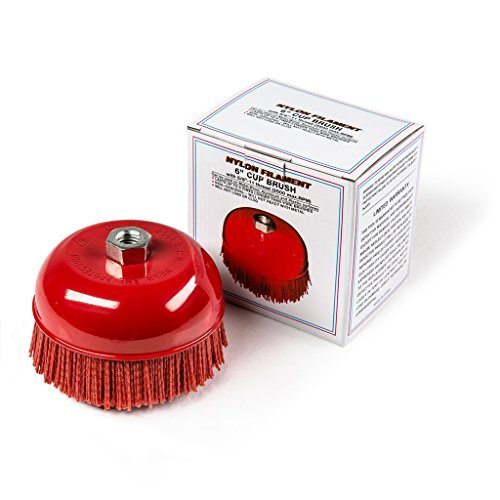
Best for: projects requiring extended reach and broader coverage. Why selected: 6″ nylon cup brush provides greater surface area and is useful for larger metal panels and flat bases before liner coating. Caution: the larger diameter can be less maneuverable in tight corners or corners with complex geometry.
SANJIAN 4” Nylon Filament Brush 3 Pack

Best for: budget-conscious buyers needing multiple brushes for ongoing bed liner prep. Why selected: three-pack offers good value with nylon filament bristle construction designed to resist shedding and sparks. It’s suitable for wet or dry use but may require slower speeds to maintain bristle shape. Caution: at higher RPMs, bristles can bend; use moderate speed for cleaner finishes.
Al’s Liner Abrasive 180 Grit Nylon Bristle Cup Brush
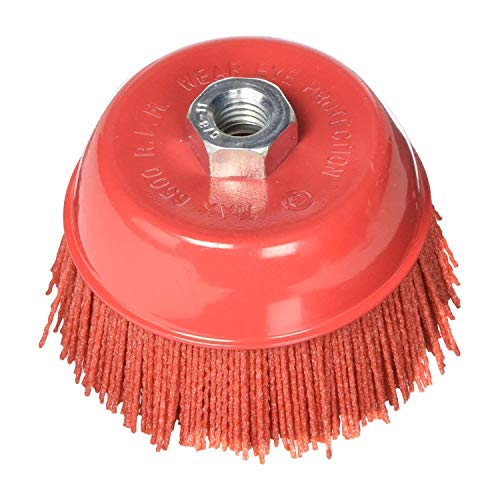
Best for: professionals needing durability and long life. Why selected: 180-grit nylon bristles offer reliable material removal with less heat and friction, reducing tool wear while maintaining a safe, spark-free operation. Caution: 6″ size may not be ideal for compact tool setups; confirm compatibility with your grinder or drill arbor.
Buying Guide: Key Considerations For Bed Liner Prep Brushes
- Material and grit: Nylon filaments with abrasive grains provide spark-free prep. Coarser grits remove paint and rust quickly; finer grits polish and prepare for primer.
- Tool compatibility: Verify arbor size (5/8″ or 1/4″ shank) and thread (5/8″-11) to fit your grinder, polisher, or drill. Tone matters: larger cups cover more area, smaller cups reach tight spots.
- Surface safety: Nylon brushes reduce the risk of metal gouges and sparking that can occur with wire brushes. They’re better for sensitive edges and live edges.
- Durability and life: Brushes with bonded bristles that resist shedding last longer in heavy-duty prep but may cost more upfront. Consider replacement cycles based on project size.
- Wet vs dry use: Many nylon brushes perform in both conditions. Wet use can extend life and reduce dust; dry use is faster for hard coatings.
- Project scale: For large truck bed prep, larger diameters can speed completion; for intricate corners, smaller diameters or multi-pack options help.
- Safety and sparks: Always choose spark-free options when working near flammable surfaces or coatings. Use PPE and proper tool guards.
FAQ
- Q: Are nylon filament brushes suitable for all metal surfaces?
A: They work well for most metals and coated surfaces, offering spark-free operation and controlled material removal. Some very hard metals may wear bristles faster. - Q: Can I use these brushes on wet surfaces?
A: Yes, many nylon filament brushes are rated for wet and dry use, which can reduce dust and heat buildup. - Q: Which brush size is best for tight corners?
A: Smaller diameters (4″) are typically better for corners, edges, and intricate areas, while larger sizes cover more area more quickly. - Q: Do these brushes shed bristles?
A: Quality nylon brushes are designed to minimize shedding and maintain shape during use; however, some shedding can occur with heavy use or high speeds. - Q: How do I prevent gouging when prepping for bed liner?
A: Use moderate pressure, follow the manufacturer’s RPM guidelines, and choose a coarser grit for initial rust removal followed by a finer grit for final prep.