Find the right brick red masonry paint for durability, finish, and ease of use. This guide highlights five products well-suited to brick, stone, and concrete surfaces, with clear reasons for each choice. Ideal buyers include DIY homeowners tackling exterior brick facades, garage floors, or decorative interior brick features, as well as professional renovators seeking reliable adhesion and finish. Compare finishes, coverage expectations, and application notes to choose the right option for your project.
| Product | Brand | Best For |
|---|---|---|
| Krylon Fusion All-In-One Brick Red | Krylon | Small projects and quick spray-on brick surfaces |
| Diamond Brite Oil-Based Enamel Tile Red | Diamond Brite Paint | High-traffic interior/exterior areas demanding durability |
| KILZ Self-Priming Masonry Paint | KILZ | Primer-and-paint in one for masonry and brick |
| Glidden Total Brick Dust/Red Exterior | Glidden | Durable outdoor brick and masonry projects |
| MARBLERS Brick Red Liquid Pigment | MARBLERS | Color customization for concrete, grout, and decorative coatings |
Krylon Fusion All-In-One Brick Red Spray Paint
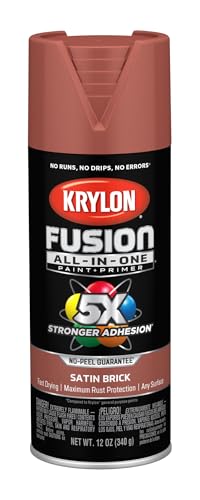
This satin spray paint is formulated for multiple surfaces, including brick. It delivers an even finish with built-in primer and sealer, reducing the need for multiple coats on small projects. Best for touch-ups, decorative brick accents, and projects where spray-on convenience matters. A limitation is that aerosol cans are less suitable for large areas or porous, highly textured brick surfaces where heavier coats may be required.
Diamond Brite Oil-Based Enamel Paint, Tile Red

Designed for high-gloss durability, this enamel resists rust, scuffs, fading, cracking, and peeling on interior and exterior surfaces. It’s moisture-resistant and handles household chemicals well, making it suitable for garages, basements, patios, and other high-traffic areas with brick, masonry, or concrete. Best for: bold, easy-to-clean surfaces. Caution: oil-based formulas require adequate ventilation and longer cure times between coats.
KILZ Self-Priming Masonry Paint

This acrylic latex, water-based paint offers excellent hiding and adhesion on textured masonry, brick, drywall, and stucco. It’s self-priming and alkali-resistant up to pH 12, simplifying application on prepared surfaces. Best for: a reliable finish on interior and exterior brick or masonry with minimal prep. Choose this if you want good coverage and straightforward cleanup with soap and water. Limitation: heavy textures may require multiple passes to achieve a uniform look.
Glidden Total Exterior Brick Red with Primer

This semi-gloss exterior paint includes primer for enhanced hide and durability on brick, masonry, wood, and concrete surfaces. It is designed to resist fading and cracking, and it covers up to 400 sq. ft. per gallon, making it efficient for larger outdoor brick projects. Best for: exterior brick, masonry walls, and weathered surfaces. Caution: outdoor conditions like temperature and humidity can affect cure times and sheening.
MARBLERS Brick Red Liquid Pigment

This ultra-concentrated pigment is designed to color concrete, plaster, grout, gypsum, and compatible coatings. It offers deep, rich brick red tones by adjusting the mixing ratio. Best for: custom-coloring projects, concrete floors, or decorative coatings where precise shade control matters. Limitation: pigment alone requires mixing with a compatible base or binder to achieve a finish.
DecoArt Americana Brick Red Acrylic Paint

Non-toxic and highly pigmented, this acrylic paint offers excellent coverage in one coat. It’s versatile for craft projects, decorative brick panels, and smaller masonry accents. Best for: indoor decorative brickwork and hobby projects. Limitation: acrylics may not be as durable as exterior masonry paints without a proper sealer or topcoat on outdoor surfaces.
Buying Guide: Key Considerations For Brick Red Masonry Paint
- Surface type: Exterior brick, interior brick, concrete, or plaster each respond differently to primers, binders, and finishes. Self-priming options reduce steps for masonry ready-to-paint surfaces.
- Finish and durability: Choose satin or semi-gloss for easier cleaning and moisture resistance; flat finishes hide imperfections but may require more maintenance outdoors.
- Oil-based vs water-based: Oil-based enamels offer durability and washability but require ventilation and longer cure times. Water-based paints clean up easily and are less toxic but may need touch-ups for high-traffic areas.
- Coverage and application: For large outdoor brick projects, select products with higher coverage per gallon. For small accents, spray paints or brush-on options can be more convenient.
- Color control: If precise brick-red shading is important, pigments and colorants allow custom mixing, but ensure compatibility with your base coating.
Frequently Asked Questions
- Q: Is brick red paint suitable for exterior brick? A: Yes, many exterior masonry paints are designed to resist weathering on brick, with primers and sealers that improve adhesion and durability.
- Q: Should I prime brick before painting? A: Some products are self-priming, but rough or highly porous brick may benefit from a dedicated masonry primer for best hide and adhesion.
- Q: How long does brick paint take to cure? A: Cure times vary by product and conditions. Oil-based enamels typically require longer, while water-based paints cure faster but may need full days to reach handling strength.
- Q: Can I mix brick red pigments with regular paint? A: Pigments are designed for color control and should be mixed with appropriate binders or bases specified by the pigment manufacturer to ensure proper dispersion and adhesion.
- Q: Are there safety considerations for brick painting? A: Work in a well-ventilated area, wear a respirator if using spray paints or solvents, and follow label instructions for cleanup and disposal.
- Q: Which product is best for high-traffic areas? A: Oil-based enamel options generally offer superior durability and cleanability for high-traffic interiors, while exterior masonry paints protect brick against weathering.