Answering the question: these brushes are ideal for applying polyurethane on wood surfaces, from furniture to cabinets. The top picks below are best for different project needs—precision cutting-in, broad coverage, or large-area staining. Choose based on the job size, finish type, and whether you’re working with water- or oil-based polyurethane. The buyer types most likely to benefit are DIY homeowners refinishing furniture, professional painters, and renovators tackling trim and cabinetry.
| Product | Best For | Notes |
|---|---|---|
| Pro Grade Paint Brushes, 5-Piece Set | All-around projects; walls, trim, cabinets | Includes multiple sizes for cutting in and broad strokes. |
| Genixart Double Thick Chip Paint Brush (4 inch) | Wider surfaces; fences, walls, decks | Large chip brush suitable for stains and varnishes. |
| Magimate 3-Inch Double Thick Chip Paint Brush | Furniture and masonry; versatile staining | Soft yet firm bristles; good stain release. |
| Magimate Deck Brush (5-inch) | Exterior decks and wide areas | Thick brush for heavier coats and between planks. |
| Bates- Foam Paint Brushes, 2 Inch (16 Pack) | Narrow edges; crafts, window jams, trim | Foam for smooth, even coats in tight spots. |
Pro Grade Paint Brushes, 5-Piece Set
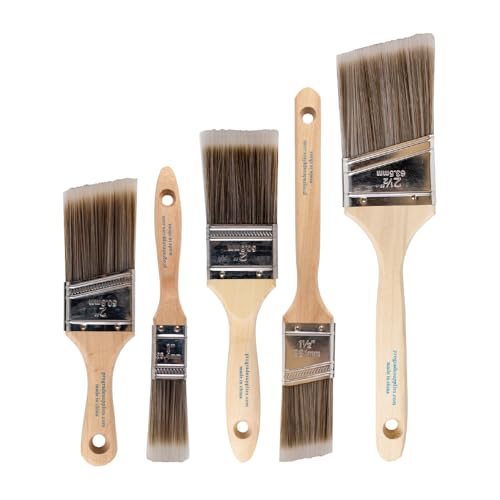
The 5-piece Pro Grade set covers a full range of polyurethane applications, from broad wall surfaces to tight trim work. It includes 1 inch and 2 inch flat brushes plus 1.5 inch, 2 inch angle, and 2.5 inch angle sash brushes. Best for professionals and DIYers needing consistent performance across multiple tasks.
- Best for: walls, trim, cabinets, doors, and detailed cutting-in work.
- Why selected: complete set minimizes the need to buy multiple brands and sizes.
- Caution: ensure bristles remain clean to maintain a smooth finish; bristle wear can affect edge sharpness over time.
Genixart Double Thick Chip Paint Brush (4 Inch)
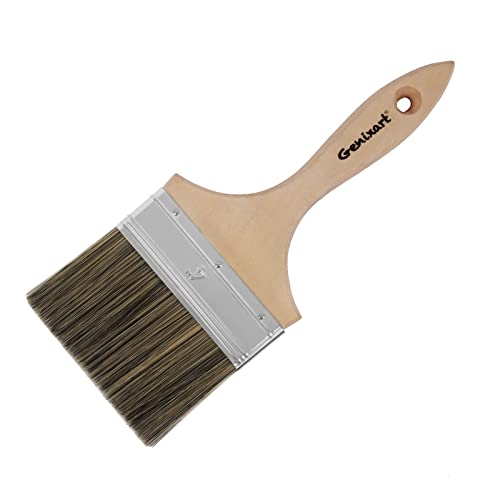
This large chip brush is ideal for wide staining and varnishing tasks. Its wooden handle and broad head help cover big areas quickly, making it a practical choice for fences, walls, and furniture where a broad stroke is beneficial.
- Best for: furniture varnishing, fences, and broad surface staining.
- Why selected: wide head reduces the number of passes needed for large surfaces.
- Caution: not ideal for very fine edge work or tight corners where precision is required.
Magimate 3-Inch Double Thick Chip Paint Brush
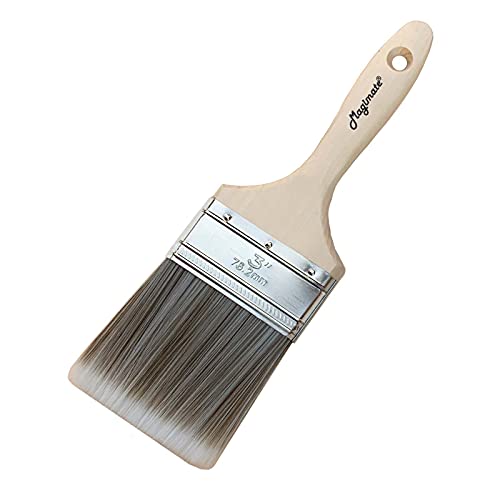
A versatile stain and paint brush suitable for a wide range of coatings, including polyurethane. Its double-thick chip design and synthetic bristles balance paint pickup and release for smooth finishes on wood, walls, and furniture.
- Best for: furniture, walls, fences, and smaller staining tasks requiring precision with a larger brush.
- Why selected: combines durability with broad coverage and compatibility with multiple finishes.
- Caution: bristle stiffness may vary with temperature; store in a suitable environment to maintain flexibility.
Genixart Double Thick Chip Paint Brush (4 Inch)
Similar to the 4-inch option, this Genixart brush presents a wider tool for large-scale polyurethane applications. It’s suitable for both interior and exterior tasks where a sturdy brush is needed to apply thicker coats efficiently.
- Best for: large wood surfaces like decks and fences, as well as walls and ceilings in DIY projects.
- Why selected: robust build supports consistent coating and minimizes brush marks on broad areas.
- Caution: best used with compatible finishes; avoid overheating bristles with aggressive brushing in direct sun.
Bates Foam Paint Brushes, 2 Inch, 16 Pack
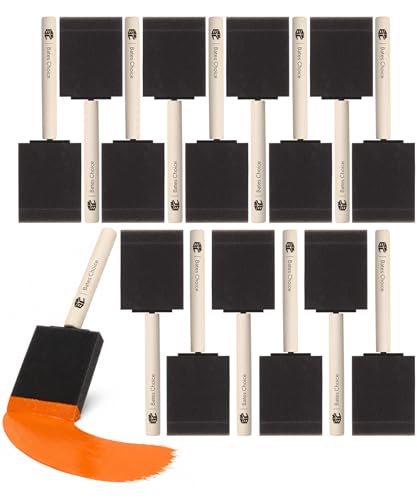
These foam brushes provide smooth, even coverage for tight spots, window jams, and trim. They work well with polyurethane and other finishes on smaller areas where precise, controlled application is key.
- Best for: narrow spaces and trim work; crafts and décor projects.
- Why selected: foam minimizes brush marks and is easy to control on edges and molding.
- Caution: foam can wear more quickly with aggressive coats or harsh solvents; inspect for integrity between uses.
Buying Guide: How To Choose The Right Polyurethane Brush
Polyurethane finishes demand brushes that hold and release finish evenly, avoid shedding, and provide crisp edges. Consider these factors when selecting a brush:
- Brush type: natural bristles can absorb more finish and release unevenly with polyurethane; synthetic filaments tend to perform more consistently with water- and oil-based products.
- Brush size: for large surfaces, start with wider brushes (3–5 inches). For trim and tight corners, smaller angles (1–2 inches) offer control.
- Edge control: angled sash brushes excel at cutting-in along baseboards, window frames, and corners.
- Durability: look for packs with secure bristle bonding and reinforced ferrules to reduce bristle loss during use.
- Finish type compatibility: verify that the brush handles polyurethane well, whether water-based or oil-based.
Practical tips
- Keep brushes clean between coats to maintain smooth application and extend brush life.
- Test on scrap wood to gauge brush performance before applying to the main project.
- Match brush size to project scale to minimize brush marks and ensure even coating.
Frequently Asked Questions
- Can I use the same brush for water-based and oil-based polyurethane? Yes, but check manufacturer recommendations and clean thoroughly between types to prevent cross-contamination.
- Are chip brushes suitable for polyurethane? They can be used for stains or rough work, but may leave more texture; choose for larger, quick coverage tasks.
- Is a smaller angled brush better for trim? Yes, angled brushes provide sharper, crisper lines along edges and corners.
- What brushes minimize brush marks? Synthetics with proper loading and even strokes help reduce visible brush marks, especially on smooth finishes.
- How should I clean polyurethane brushes? Use appropriate solvent for the finish, followed by warm soapy water, then rinse and dry thoroughly.