Answer: For repairing drywall cracks, choose a flexible, paintable caulk or patching compound that adheres well to drywall, resists cracking, and accepts paint without flashing. The best options below are suited to common home projects, from small cracks to larger patches, with buyers ranging from DIY beginners to seasoned remodelers. Each pick is evaluated for ease of use, paintability, and long-term crack resistance. This guide highlights five proven products and a concise buying table to help you compare at a glance.
| Product | Best For | Why It Stands Out |
|---|---|---|
| DAP ElastoPatch Smooth Flexible Patching Compound | Large or recurring cracks on drywall, plaster, stucco | Elastomeric, won’t shrink or gloss paint; fast-dry, highly paintable |
| DAP Alex Plus Acrylic Latex Caulk | General-purpose interior sealing | Strong adhesion, paintable in 30 minutes, low odor |
| DAP Alex Painter’s Acrylic Latex Caulk | Wood, drywall, plaster patches | All-purpose, quick dry, easy water cleanup |
| GE Advanced Silicone Caulk | Kitchen/Bath areas with frequent moisture | 100% silicone, fast water-ready seal, highly durable |
| DAP Dynaflex 230 Pro Elastomeric Sealant | Windows, doors, trim near drywall | Superior flexibility, crack-proof seal, low odor |
DAP ElastoPatch Smooth Flexible Patching Compound

Product overview: DAP ElastoPatch is a smooth, flexible patching compound designed to fill cracks in drywall, plaster, and stucco. It is engineered to Elastomeric properties so it won’t shrink or crack after drying, making it a solid choice for homes with movement-prone walls. It dries tack-free in about 30 minutes and accepts paint well, avoiding glossy finishes that can highlight repair lines.
Best for: Homeowners and DIYers facing recurring or enlarging cracks on interior walls. This product is particularly suitable when you need a patch that stays elastic as walls settle or experience temperature changes. It is also a good option for patching skim coats on plaster or rough drywall surfaces.
Why selected: It combines elasticity with paint-readiness, reducing the risk of new cracks forming near repaired areas. The quick dry time accelerates projects, especially when multiple rooms require patching.
Caution: The product data notes a strong patching focus; ensure a smooth, feathered edge with a wide putty knife to prevent ridges from showing under paint.
DAP Alex Plus Acrylic Latex Caulk, White

Product overview: DAP Alex Plus is a paintable acrylic latex caulk with siliconeized formula for improved adhesion and flexibility. It offers long-lasting waterproof sealing and can be painted over in about 30 minutes. It cleans up easily with water and has relatively low odor, making it suitable for indoor use during DIY projects.
Best for: Interior sealing around drywall seams, light-to-moderate cracks, and areas where you plan to paint soon after application. It’s well-suited for people who want straightforward application with good paint compatibility.
Why selected: The paintability and quick curing time help maintain project momentum. Its balanced adhesion helps seal small gaps without sagging on vertical seams.
Caution: Avoid using in areas with continuous moisture exposure; for bathrooms or kitchens with frequent water contact, consider a 100% silicone option designed for wet conditions.
DAP Alex Painter’s Acrylic Latex Caulk, White

Product overview: This is a white acrylic latex caulk suitable for bonding to wood, plaster, drywall, and masonry. It becomes water-ready in 24 hours and is paint-ready in about 2 hours, offering flexibility for quick interior repairs and touch-ups in dry wall. It’s a straightforward choice for general sealing on interior surfaces.
Best for: General interior patching and sealing where you want to paint over the caulk soon after application, especially on drywall corners or trim joints adjacent to walls.
Why selected: The combination of good adhesion and relatively quick paint readiness makes it reliable for frequent DIY projects while keeping application simple.
Caution: It may not be ideal for high-moisture areas; consider silicone-based products for bathrooms or laundry rooms.
DAP INC 18152 10.1oz White Alex Plus Acrylic Latex Caulk With Silicone
Product overview: This DAP product blends acrylic latex with silicone for enhanced flexibility and adhesion, marketed as a crack-proof seal. It is sold as a 1-count unit and offers paint readiness around 30 minutes, helping to complete repairs faster while providing durable sealing against movement.
Best for: Repairs where a silicone-enhanced latex seal is desirable, including interior cracks around windows, door frames, and wall transitions that may experience movement.
Why selected: The silicone blend aims to improve long-term durability without sacrificing paintability or ease of cleanup. It’s a practical middle ground for users who want compatibility with paint and good elasticity.
Caution: The mixture may be slightly stiffer to work into very fine cracks; ensure a smooth bead for seamless results.
DAP Dynaflex 230 Pro Elastomeric Sealant
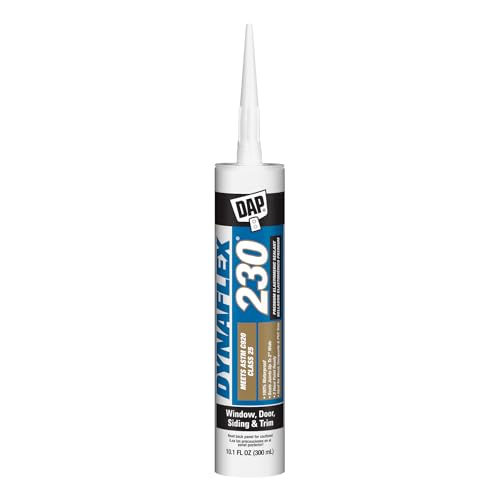
Product overview: Dynaflex 230 Pro is an elastomeric sealant designed for a wide range of exterior and interior uses, including around windows, doors, and trim. It emphasizes strong elasticity and a crack-proof seal, with a removable nozzle for precision in tight corners and a white color that can be painted. It’s also noted for low odor.
Best for: Projects where a flexible, durable sealant is needed near drywall edges, between materials, or in areas prone to movement or weather exposure.
Why selected: Its high elasticity helps accommodate surface shifts without cracking, which is valuable around structural joints or exterior-facing drywall seams.
Caution: For purely interior drywall crack filling, a lighter interior-grade patching compound or latex caulk may be more cost-effective; Dynaflex is especially useful where flexibility is critical.
Flex Caulk, Waterproof & Weatherproof Hybrid Polymer Sealant

Product overview: Flex Caulk is a hybrid polymer sealant designed for waterproof and weatherproof sealing across indoor and outdoor surfaces. It is paintable and does not require a caulk gun, featuring an adjustable trigger flow nozzle for precision application.
Best for: Projects requiring a versatile sealant that can handle moisture-prone areas and a variety of substrates, including baseboards, showers, kitchens, and outdoor walls adjacent to drywall surfaces.
Why selected: The ease of use plus its broad suitability makes this a practical all-in-one option for multi-surface repairs that involve drywall edges and nearby materials.
Caution: For high-metailing moisture zones or critical structural joints, verify that the hybrid polymer meets local building code standards and consider dedicated silicone for long-term moisture resistance.
Buying Guide: Key Considerations For Choosing Drywall Crack Caulk
What type of material should you pick? For interior drywall cracks, acrylic latex caulks with paintability and good adhesion are common, while elastomeric patching compounds are preferred for larger or moving cracks. Silicone-based formulas excel in moisture-prone areas but may require more precise paint compatibility.
How much elasticity do you need? Elastomeric sealants offer higher flexibility to accommodate wall movement, minimizing crack reappearance. For small cosmetic cracks, paint-ready latex caulks are usually sufficient.
Is paintability important? If you plan to paint over the repaired area, choose products explicitly noted as paintable and with fast paint-readiness to keep your project on schedule.
What about moisture and humidity? In kitchens and bathrooms, silicone or silicone-enhanced products typically provide superior moisture resistance, though latex formulas with silicone additives can also perform well in moderate moisture zones.
Ease of cleanup and odors matter. Water cleanup and low odor help, especially for indoor projects. Choose products labeled as low odor and washable with water for easier cleanup after use.
Application considerations. Some products offer nozzle adaptors or no caulk gun required designs, which can simplify the process for beginners. Consider whether you need quick-dry options or longer working times for complex gaps.
FAQ
- What is the best caulk for hairline drywall cracks? – A paintable acrylic latex caulk with good adhesion works well for hairline cracks, providing a clean finish after painting.
- Can I use silicone caulk on drywall cracks? – Silicone is highly moisture-resistant but can be harder to paint over; use it where moisture is a factor and consider painting first if needed.
- How soon can I paint after applying caulk? – Most latex caulks are paint-ready within 30 minutes to 2 hours depending on the product; always check the product label.
- Should I use an elastomeric patching compound for drywall cracks? – Yes, for larger, moving, or reoccurring cracks, elastomeric formulations help prevent future cracking.
- Is a drywall repair kit better than individual caulk tubes? – A repair kit is convenient for larger patch jobs, offering added tools; for small cracks, a standard caulk may suffice.
- Can these products be used on plaster or stucco as well? – Many elastomeric patching compounds and latex caulks are designed to work on plaster; always verify compatibility on other substrates.