Choosing the right concrete bonding agent can dramatically improve the longevity and performance of repairs, patches, and new pours. This guide highlights top-rated options that cater to DIYers and professionals alike, from acrylic admixtures that boost adhesion to primers that prime surfaces for lasting bonds. Each product below has proven benefits for bonding old and new concrete, mortar, and masonry surfaces, with considerations for climate, substrate condition, and project scope. Read on to compare features, applications, and what to look for when selecting a bonding solution.
| Product | Brand | Key Feature |
|---|---|---|
| SikaLatex R Acrylic Admix | SIKA | Strong bond; freeze/thaw resistant; no dilution |
| Gallon Weld Crete Bonding Agent | Larsen Products Corporation | Interior/exterior; gallon size for large projects |
| Akona Concrete Bonding Additive | Akona | High strength; mix-in additive; not for standalone use |
| Larsen Weld Crete Bonding Agent (Quart) | LARSEN STRINGS | Quart size; interior/exterior use |
| DAP Smooth White Bonding Primer | DAP | Bonds new to old concrete; primer and admix in one |
SikaLatex R Acrylic Admix
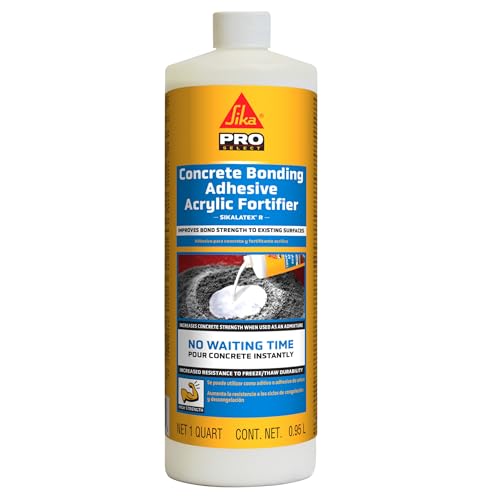
SIKA SikaLatex R is an acrylic admixture designed to improve bonding between cement-based materials. It can be used as a bonding grout or admixture for cement, concrete, or mortar, delivering increased adhesion and tensile strength. The acrylic fortifier enhances durability in freezing and thawing cycles, supporting a stable bond in outdoor environments. It is formulated for straightforward use with no dilution required, making preparation quick for both home projects and professional jobs. Its versatility makes it suitable for patching, resurfacing, and general concrete bonding tasks where a reliable bond is critical.
Gallon Weld Crete Bonding Agent
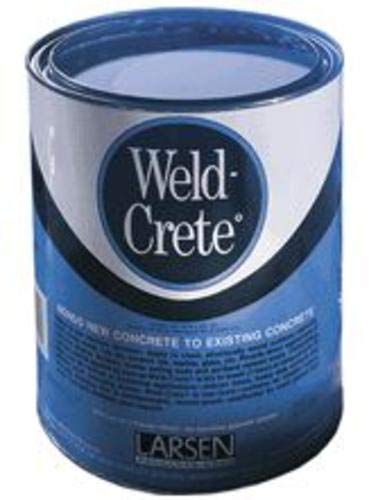
Larsen’s Weld Crete Bonding Agent comes in a gallon size (128 oz.), offering a practical option for larger patches and surface bonding needs. Designed for interior and exterior use, this bonding agent improves adhesion between old and new concrete surfaces, making it suitable for a wide range of projects—from driveways to foundations. For optimal results, apply to a clean, dry substrate and follow with the concrete mix. The product’s generous volume helps reduce frequent repurchases on bigger jobs, contributing to consistent bond performance across the project lifespan.
Akona Concrete Bonding Additive

Akona’s Concrete Bonding Additive is a liquid bonding enhancer designed to strengthen adhesion in cementitious mixes. It is added to concrete, sand mortar, and cement blends to boost overall strength and bonding performance. This product is a mix-in additive and should not be used alone; it integrates into the batch to improve cohesiveness and adherence of new concrete to existing substrates. The additive is particularly beneficial in projects facing challenging conditions, including cold weather, where enhanced bond can help mitigate thermal stresses and moisture-related cracking. This versatility makes it a practical choice for diverse applications.
Larsen Weld Crete Bonding Agent (Quart)

The Larsen Weld Crete Bonding Agent in a quart size provides a compact option for smaller jobs or spot-bonding tasks. Suitable for interior and exterior use, this concrete bonding agent is designed to improve adhesion between concrete surfaces and new pours. While the product line emphasizes versatility across project scales, users should ensure surface preparation is thorough—clean, dry surfaces yield the best bond results. The quart size is ideal for repairs, patching, and targeted bonding where larger volume products would be less economical.
DAP Smooth White Bonding Primer

DAP Smooth White Bonding Primer is a versatile 32-ounce product that acts as both a primer and bonding additive. It is formulated to bond new concrete to old concrete, providing a reliable base for subsequent coatings or finishes. The primer-and-admix-in-one approach simplifies preparation and helps improve bond strength, particularly on substrates with varying porosity. This option is suitable for both interior and exterior applications and can streamline patching, resurfacing, and rehabilitation projects by reducing bonding failures due to poor surface readiness.
Buying Guide
Key Factors To Consider
Understanding project requirements helps select the right product type—bonding agents, primers, or acrylic admixtures. Consider whether you need enhanced adhesion for patch repairs, or a bonding primer to prep a surface for coatings. Surface condition, moisture, and porosity impact performance; rougher, more porous surfaces generally accept bonding agents more readily, while sealed or smooth surfaces may require stronger primers or surface preparation. Climate matters as well; freeze/thaw resistance improves durability in outdoor applications, and cold-weather mixes may benefit from additives that improve curing and bond stability.
Choosing The Right Product For Your Project
Bonding agents are ideal for improving adhesion between old and new concrete and masonry, especially in patching and resurfacing tasks. Primers prime and consolidate the surface, creating a uniform substrate for subsequent coats. Acrylic admixtures strengthen the bond within the concrete mix itself, often improving tensile strength and durability. For large-scale repairs, a gallon or larger size reduces reordering, whereas small repairs may be more economical with quart-size products. Always follow manufacturer directions for mixing ratios, surface preparation, and curing times to maximize bond quality.
DIY Vs Professional Use
DIY projects typically benefit from ready-to-use primers and easy-mixing admixtures that require minimal steps and measurement. Professionals may opt for larger quantities and products designed for exterior exposure or high-traffic areas, where long-term performance is critical. In both cases, proper surface cleaning, moisture control, and adherence to curing guidelines are essential. Safety data sheets and product labels should guide storage, handling, and disposal, particularly for solvent-based or chemically active bonding agents.
Climate And Surface Preparations
Hot, dry climates can cause rapid evaporation, affecting bonding; wet or freezing conditions can hinder cure and bond formation. In such scenarios, selecting products with good moisture tolerance and freeze/thaw resistance is prudent. Pre-wetting the substrate, removing laitance, and ensuring a dry, dust-free surface will improve bonding outcomes. Porous surfaces typically accept bonding agents more readily, while non-porous or sealed areas may require surface abrading or primers designed for such substrates.
Performance, Longevity, And Maintenance
Bonding performance should align with project longevity needs. Acrylic admixtures often enhance tensile strength and durability, while primers focus on initial adhesion and substrate readiness. Consider maintenance requirements: some products resist weathering and freeze/thaw cycles, while others emphasize rapid curing for faster project completion. Evaluate the total cost of ownership, including product volume, application steps, and the expected lifespan of the repair or new pour. Choosing the right balance between performance and value will yield the most reliable results over time.