If you’re aiming to boost curb appeal with a bold, coral front door, you’re choosing color that blends warmth with energy. This guide highlights five top coral-inspired paints that work well on doors and related trim, with practical notes on finish, durability, and application. Best for bold entryways, high-traffic doors, and DIY sprucing projects that require a durable, smooth look.
Buyer-friendly summary table
| Product | Finish Type | Best For | Notes |
|---|---|---|---|
| ALL-IN-ONE Sunrise Coral – Heirloom Traditions | Velvet Sheen, interior/exterior | Doors, cabinets, furniture with single-coat convenience | Built-in primer and top coat; no sanding required |
| Coral Spray Paint – Rust-Oleum 2X | Gloss | Fast color on doors, trim, outdoor accents | Oil-based; quick dry; good for exterior use |
| LuxeLacquer Carolina Coral – AMY HOWARD AT HOME | Ultra-high gloss | Showpiece entry doors and cabinetry | Premium lacquer look; long-lasting shine |
| Chalk Finish Flamingo – Dixie Belle | Matte chalk | Rustic or beachy doors; distressed looks | Excellent coverage; no sanding required |
| One Hour Miracle Coral – AMY HOWARD AT HOME | Eggshell enamel | Door surfaces needing scrubbable finish | One-hour dry time; durable |
Heirloom Traditions Sunrise Coral All-in-One Paint, Quart

Best for: homes needing a one-step solution on hard surfaces. This ALL-IN-ONE Paint combines primer and top coat, reducing prep time. It is designed for doors, cabinets, counters, and furniture, delivering a low-luster velvet sheen suitable for interior or exterior use. Choose this for a smooth, durable finish with fewer steps, especially on high-traffic entry doors.
Why selected: The built-in color card helps visualize lighting in your space, aiding color accuracy. It’s ideal for homeowners who want a practical, all-in-one approach without sanding.
Caution: Some projects may benefit from light surface prep if a perfect first-pass finish is desired, especially on glossy or very dark substrates.
Rust-Oleum 283189 Painter’s Touch 2X Ultra Cover Coral Spray

Best for: quick, even color on doors, trim, or decorative accents where a spray finish is preferred. The oil-based formula offers good chip resistance and projects a glossy coral look. Suitable for wood, plastic, metal, and masonry surfaces with fast dry times.
Why selected: It provides a fast, spray-on option that’s convenient for small doors or detailed areas where brushing is impractical. It excels in delivering a consistent coral tone with durable protection.
Caution: Sprays may require proper ventilation and masking of surrounding areas. Not ideal for large, flat surfaces where brush finishes are preferred for uniform coverage.
LuxeLacquer Carolina Coral – AMY HOWARD AT HOME

Best for: doors or furniture requiring a premium, eye-catching, almost mirror-like gloss. LuxeLacquer delivers an ultra-high gloss finish that elevates cabinetry, doors, and other architectural features. Suitable for surfaces that tolerate a strong sheen and need a designer look without excessive cost.
Why selected: The near-mirror gloss adds depth and brightness, creating a standout coral entrance. It’s a cost-effective route to a high-end appearance compared to traditional lacquer finishes.
Caution: High-gloss finishes can show surface imperfections more readily. Achieving flawless results may require careful surface preparation and controlled technique.
Chalk Finish Flamingo Coral – Dixie Belle

Best for: a soft, matte coral with a chic, vintage vibe. Chalk mineral paint is versatile on wood, metal, plastics, and more, and it supports distressed or layered effects that work nicely on front doors with character.
Why selected: Flamingo’s bright coral with pink undertones provides a lively yet approachable entrance. It’s ideal when you want a furniture-inspired, farmhouse or coastal aesthetic on a door.
Caution: Chalk finishes may require sealing for high-traffic doors to protect against scuffs; touch-ups may be needed in high-use areas.
Cascadia XL Exterior Satin Paint & Primer in One – Rodda Paint, Seashell Pink
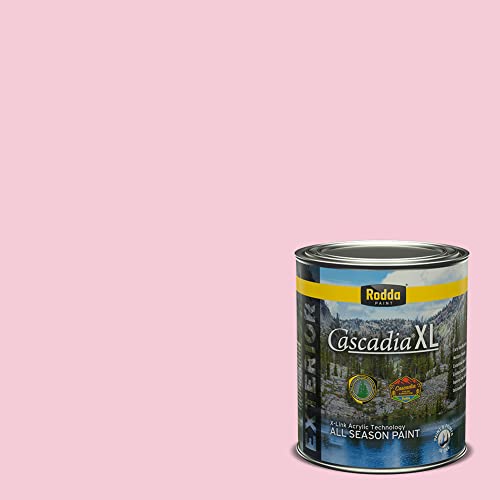
Best for: exterior doors needing a durable, weather-resistant finish with good color retention. The satin sheen provides a balanced look that resists harsh sunlight and moisture, while the primer-in-one saves prep time.
Why selected: Cascadia XL’s advanced technology supports hiding power and durability in a single coat, useful for a coral or pink-tlecked entry.
Caution: Availability of color options may vary by season; ensure your chosen coral-pink shade matches your home’s exterior palette.
Heirloom Traditions 8oz Sunrise Coral Sample – All-in-One Paint

Best for: sampling color before committing to a full quart, especially when trying to match a coral door with interior tones. The sample lets you test color under your lighting conditions.
Why selected: Similar to Sunrise Coral quart but in a smaller package for color testing. Useful for verifying how coral looks on your door in natural and artificial light.
Caution: Samples are small; you may still need a larger quantity for full coverage on a door or large panels.
One Hour Miracle Coral – Amy Howard At Home

Best for: quick, durable finish on doors with minimal prep. This water-based enamel provides scrubbability and a furniture-grade finish suitable for doors and trim.
Why selected: The one-hour dry time supports faster project completion. It’s a practical choice when you need a dependable, scrubbable coral door finish with minimal steps.
Caution: As with any enamel, surface preparation improves adhesion and final appearance; ensure a clean, dry surface for best results.
Buying Guide: Coral Front Door Paint Essentials
- Finish matters: For doors, gloss or semi-gloss finishes highlight color and are easier to clean. Matte or chalky finishes offer style but may require more maintenance.
- Prep vs. convenience: All-in-one products save time but may not always hide underlying imperfections as well as primers. Assess door material and prior coatings before choosing.
- Durability and exposure: Exterior doors face weather, UV rays, and traffic. Look for paints labeled for exterior use or “exterior/Interior” versatility with moisture resistance.
- Color accuracy: Coral tones can shift with lighting. Use color cards or samples and test under daylight and artificial light before final coats.
- Application method: Sprays are quick for detailed areas; brushes deliver control on larger flat surfaces. Consider a combination approach for best results.
- Maintenance: Consider future touch-ups or recoats. Higher-gloss finishes may show scratches more readily, while matte finishes can be more forgiving but less durable.
- Environment and safety: Ensure proper ventilation if applying indoors or in enclosed spaces. Follow product-specific guidance for drying and cure times.
FAQ
- Q: Are coral door paints suitable for exterior use? A: Yes, many of the listed products are designed for interior and exterior use, with durability to withstand weather when specified.
- Q: How can I test coral color before committing? A: Use a color sample or tester size if available, and compare under natural daylight and indoor lighting to gauge final appearance.
- Q: Which finish is easiest to clean on a front door? A: Semi-gloss or gloss finishes are typically easier to wipe clean and resist scuffs better than matte finishes.
- Q: Do I need to sand before painting a front door? A: Several listed options are designed for no-sand applications, but light scuffing or cleaning can improve adhesion on glossy surfaces.
- Q: How long does a coral door paint take to cure? A: Cure times vary; some products dry to the touch in hours, but full curing can take longer depending on humidity and temperature.
- Q: Can these paints be used on metal doors? A: Yes, several products advertise compatibility with metal surfaces, but follow the manufacturer’s surface preparation guidelines.