Answering the question, these impasto mediums are designed to thicken oil paints, retain brush marks, and speed or control drying times. They are best for artists seeking pronounced texture, pronounced highlights, and layered impasto effects. The top picks below suit different needs: quick-drying textures for speed-focused studios, long-working times for detailed layering, and high-clarity gels for luminous impasto. A quick summary follows, highlighting who each product is ideal for.
| Product | |||
|---|---|---|---|
| Winsor & Newton Liquin Impasto Medium, 200ml | Textured, crisp brush marks; faster drying | Semi-gloss finish; resists yellowing | |
| Winsor & Newton Artisan Impasto, 60ml | Thick impasto, layered textures | Easy cleanup with water; layer drying advised | |
| Schmaltz Artist Oil Impasto Gel Medium, 150mL | Glossy, luminous impasto; faster drying | Retains brush strokes and peaks | |
| Lukas Artist Painting Butter, 500 ml | Large-scale impasto; fast drying without wrinkling | Alkyd-based; extends oil paints | |
| Lukas Artist Painting Butter, 200 ml | Compact size for studios and plein air | Same formulation as 500 ml; better for storage |
All five selections are chosen for clear texture-building properties, predictable drying behavior, and compatibility with traditional oil painting techniques. The following sections break down each product’s strengths, who should choose them, and any important caveats.
Winsor & Newton Liquin Impasto Medium

Product overview: A quick drying, semi-gloss medium that thickens slowly while extending tube color. It preserves crisp textures and brush marks without visible leveling, and it speeds drying while resisting yellowing. This makes it well suited for artists who want to maintain strong brushwork and a clear impasto edge. Best for: painters who need fast handling without losing defined textures, especially in high-contrast or light-focused compositions.
Best for: texture-focused oil painters working on portraits or landscapes where distinct brush marks matter. Choose this if you want a reliable, mid-gloss finish with clear impasto peaks that dry relatively quickly.
Limitations: May require careful layering to avoid surface buildup; avoid excessive application that could thicken too much for fine detail.
Winsor & Newton Artisan Impasto, 60ml

Product overview: This medium is designed for thick impasto, allowing textures to build across multiple layers with drying time between coats. It resists yellowing and can be cleaned up with water when needed. Best for: artists who prefer stacking texture in distinct layers and want a slower, controllable build-up with water-cleanup convenience. Limitation: layered drying requires patience to maintain surface integrity.
Schmaltz Artist Oil Impasto Gel Medium
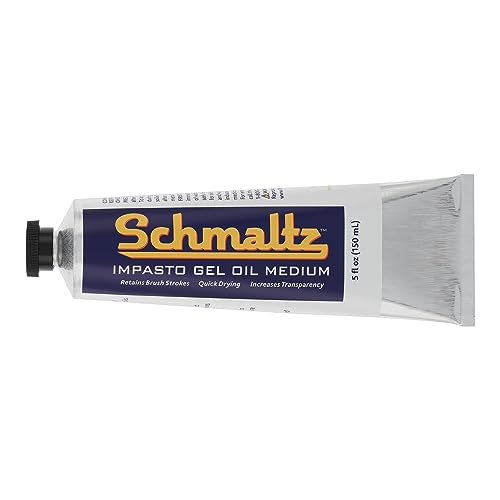
Product overview: Quick-drying impasto gel designed to increase shine and volume while improving transparency and gloss. It retains brush strokes and peaks and uses a blend of linseed oil, safflower oil, and clear alkyd for a gel that supports luminous, textured effects. Best for: oil painters who want glossy, high-clarity impasto with strong structural texture. Caution: gel consistency can be more slippery when first applied and may require reworking before drying begins.
Lukas Artist Painting Butter, 500 ml

Product overview: A fast-drying oil paint medium based on alkyd resin, designed for impasto and palette knife painting. It enables smooth, even drying without wrinkling or cracking and supports impasto layers up to an inch thick. Best for: large-scale impasto works or when extending oil paints without weakening color. Limitation: alkyd-based formulas can accelerate drying, which may be less forgiving for very detailed blending.
Lukas Artist Painting Butter, 200 ml
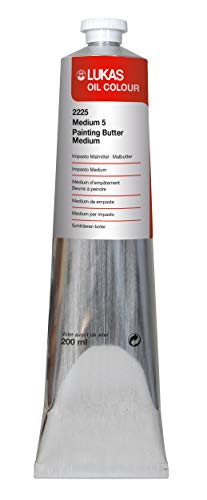
Product overview: A compact 200 ml option with the same fast-drying, alkyd-based composition as the 500 ml. Best for: smaller studios, travel setups, or initial tests of the product’s impasto capabilities. Limitation: smaller volume may require more frequent replacements for ongoing large works.
Buying Guide: Key Considerations For Impasto Mediums
What should you look for when choosing an oil painting impasto medium? Consider drying time, texture retention, brush-mark clarity, and finished appearance. If you work quickly and want pronounced texture, fast-drying formulations with strong peak retention are ideal. For layered textures, select mediums that allow drying between coats. If you prefer a glossier aesthetic, choose gel-based options; for matte or semi-gloss finishes, pick accordingly.
Texture And Drying: How They Interact
Texture is affected by the thickening agent and oil base. Some products thicken rapidly, enabling immediate ridges, while others extend paint without dramatic stiffening. Drying behavior should match your workflow: multi-session painting benefits from slower drying, while speed-focused pieces profit from rapid drying to minimize rework.
Oil Compatibility And Cleanup
Most impasto mediums are designed for oil paints, with some offering water cleanup or gel forms. If you value easier cleanup, Artisan-type or water-cleanup varieties may be preferable. Gel mediums can boost gloss; consider your final varnish and glazing plans when selecting.
Application Tips
Apply in thin layers when learning, building texture gradually. Allow each layer to dry as recommended before applying the next to prevent cracking. Use compatible brushes and knives to achieve peak shapes and to avoid dragging the gel along the surface.
What To Avoid
Avoid over-thick application in small areas, which can cause cracking as the paint dries. If a medium makes paint too stiff for your brush, back off the amount and build up more gently in successive coats.
Frequently Asked Questions
- What is impasto medium used for? It thickens oil paints and preserves brush marks to create raised textures and dimensional surfaces.
- Can impasto gels be used with oil and acrylic paints? Some gels are designed for both, but confirm the product label to ensure oil compatibility.
- Do impasto mediums affect color brightness? Yes, some gels can affect translucency and gloss; choose a product that matches your desired final appearance.
- Is cleanup difficult after using impasto mediums? Cleanup depends on the medium; water-cleanup varieties offer easier cleanup, while solvent-based options may require traditional methods.
- Which medium is best for large-scale impasto? Larger-volume options with fast-drying or thickening properties are typically preferred for bulk texture without excessive fatigue.
- Can I mix impasto mediums? Mixing can be effective but test combinations on a sample surface to avoid unwanted texture or drying issues.