Answering the common buyer question: what inground pool paint works best for plaster, concrete, or fiberglass surfaces and lasts through sun, water, and chemicals? This guide reviews five top Amazon picks, highlighting who each product is best for, key advantages, and important limitations. If you want a durable, one-coat epoxy or a flexible waterborne option, these selections cover residential pools, saltwater environments, and DIY refinishing projects.
Summary table of selected products
| Product | Best For | Coating Type | Estimated Coverage |
|---|---|---|---|
| Olympic Pool Paint – Zeron – Bikini Blue | Pools needing a bold blue finish | Two-part epoxy | 125 – 150 sq ft/gal |
| INSL-X Waterborne, Aquamarine | Fresh color, quick-dry for DIY projects | Waterborne acrylic | Varies by surface |
| Olympic Pool Paint – Zeron – Blue Ice | Cool-toned epoxy option | Two-part epoxy | 125 – 150 sq ft/gal |
| Dyco Waterborne Acrylic Pool Paint Ocean Blue | Flexible, tile-like finish for cracks | Waterborne acrylic | Depends on surface |
| Olympic Pool Paint – Zeron – White | Clean, classic pool look | Two-part epoxy | 125 – 150 sq ft/gal |
Olympic Pool Paint – Zeron Bikini Blue

Product overview: This two-part epoxy coating includes a base and a catalyst, designed to deliver a one-coat finish for plaster, fiberglass, steel and aluminum pools. The gallon is short-filled to accommodate catalyst addition, finishing to about 1 gallon total. Thorough mixing and timely use are required to prevent premature hardening. Coverage is typically about 125–150 square feet per gallon. Best for: pool owners needing a durable, water-resistant epoxy coating in a vibrant blue shade. Caution: mixed material must be used promptly; extended delays can lead to hardening inside the container.
Olympic Zeron Blue Ice

Product overview: A second epoxy option from the Zeron line, Blue Ice offers a white-greyscale finish for pools requiring a cooler tone. It uses a two-part system with the same base-and-catalyst structure and the same caution about thorough mixing and timely use. Coverage is similar to other Zeron epoxies. Best for: homeowners seeking a light, high-contrast pool interior that remains visually clean over time. Caution: ensure surface compatibility with epoxy primers and proper ventilation during application.
Olympic Zeron White

Product overview: This white epoxy pool coating from Zeron provides a durable, single-coat epoxy finish for plaster, fiberglass, steel and aluminum pools. The packaging is a two-part system with a base and catalyst, designed for thorough mixing and timely use to prevent hardening. Estimated coverage aligns with other Zeron products at roughly 125–150 square feet per gallon. Best for: projects needing a neutral, timeless white interior that resists chemical exposure. Caution: white surfaces may show staining more easily; regular maintenance helps preserve brightness.
INSL-X Waterborne Aquamarine Pool Paint
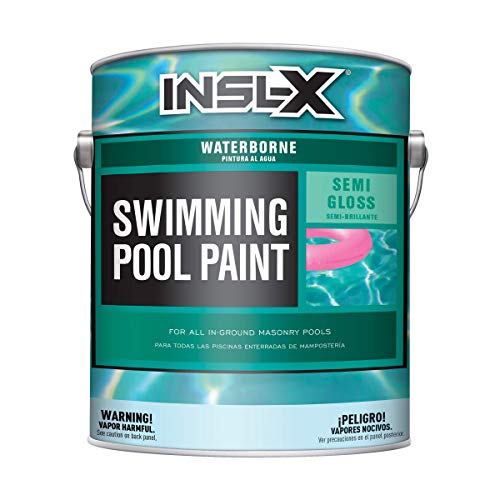
Product overview: This waterborne acrylic pool paint is Aquamarine colored and designed for use with fresh or saltwater pools. It features quick-drying properties and is suitable for DIY projects where a lower-VOC, user-friendly option is preferred. Best for: homeowners seeking an easy-to-apply, low-odor coating and a vibrant aqua finish. Caution: may require more frequent touch-ups in areas with heavy chemical use or UV exposure compared to epoxy systems.
Dyco Waterborne Ocean Blue Pool Paint

Product overview: Dyco’s waterborne acrylic pool paint emphasizes UV resistance, chemical tolerance, and a tile-like finish on concrete, plaster, or masonry surfaces. It’s designed to seal hairline cracks and resist fading, cracking, and peeling. Best for: pools that require durability against sun and chemical exposure without resorting to heavy epoxy. Caution: long-term performance can vary with substrate prep and maintenance; ensure repairs prior to application for best results.
Buying Guide: Key Purchase Considerations
What matters most when choosing inground pool paint? Consider surface type (concrete, plaster, fiberglass, or masonry), exposure to chlorinated or saltwater, and whether you prefer epoxy or waterborne coatings. Epoxy coatings typically offer superior durability and chemical resistance but require careful mixing and timely application. Waterborne acrylics are easier to apply, lower in odor, and suitable for DIY projects, though they may need more frequent re-coats in harsh environments. Light colors can show wear or staining more readily, while darker blues and greens can help mask imperfections.
Coating Type And Surface Compatibility
- Two-part epoxy options (Zeron series) are best for long-lasting, hard-wearing interiors. Suitable for plaster, fiberglass, steel, and aluminum pools.
- Waterborne acrylics (Dyco, INSL-X) offer easier application and maintenance. Ideal for concrete, plaster, or masonry surfaces and salt or fresh water use.
Coverage And Application Window
- Epoxy options commonly cover about 125–150 square feet per gallon.
Thorough mixing and timely use are essential to prevent premature hardening. - Waterborne coatings vary in coverage depending on surface porosity and application method. Follow product-specific guidance for best results.
Color and Aesthetics
- Blue and aquamarine tones create a refreshing pool interior; white or light colors can brighten spaces but may highlight wear.
- Consider pool surroundings and coping color to achieve a cohesive look.
Maintenance And Longevity
- Epoxy finishes tend to resist chemicals longer but may require surface prep and professional guidance for repairs.
- Waterborne acrylics are easier to maintain but may require re-coating sooner in sun-drenched or high-traffic areas.
Safety and Compliance
- Check for VOC content and ensure proper ventilation during application. Follow manufacturer safety data sheets for all coatings.
- Ensure compatible primers and substrate preparation to maximize adhesion and longevity.
Choosing The Right Product: Quick Try-To-Choose Scenarios
- Best for maximum durability in a busy, sun-exposed pool: Olympic Zeron epoxy options (Blue Ice or White).
- Better for a quick DIY refresh with low odor: INSL-X Aquamarine or Dyco Waterborne Ocean Blue.
- Choose this if you need a bold color in a saltwater environment and want fewer applications: epoxy Zeron options.
Frequently Asked Questions
- Q: How long does pool paint typically last before re-coating? A: Longevity depends on coating type, prep, and exposure; epoxy coatings generally last longer under harsh conditions.
- Q: Can I switch from waterborne to epoxy mid-project? A: It’s best to complete a full system matchup; consult product guidelines for surface compatibility.
- Q: Do these paints require a primer? A: Some epoxy coatings include primers or specific prep steps; follow manufacturer instructions for best adhesion.
- Q: Is a sealant or topcoat needed after painting? A: Not always; some epoxy systems provide built-in protection, while others may benefit from a topcoat for extra durability.
- Q: Are these paints safe for saltwater pools? A: Many are formulated for saltwater use, but verify product compatibility and follow mixing guidance.
- Q: Can I apply pool paint over an existing painted surface? A: Surface prep and compatibility are crucial; consult the product data sheet before proceeding.