Answer: For interior doors, choose stain colors and finishes that provide durable, even color with minimal blotching and easy cleanup. The top picks here include fast-drying, one-coat options and gel stains that work well on trim, doors, and paneling. This guide highlights five products suited for different wood tones and design goals, from rich Ebony to classic Walnut hues. It’s ideal for homeowners refreshing interior doors, renters updating spaces, or woodworkers finishing cabinets and trim to match doors. Below, compare each product’s strengths, best uses, and practical cautions to help you decide what to buy.
Quick reference table of selected products:
- Varathane Premium Fast Dry Wood Stain, Ebony (Quart) — One-coat, oil-based, fast-drying
- Varathane Premium Fast Dry Wood Stain Spray, American Walnut — Easy spray, fast coverage
- Varathane Total Control Gel Stain, Dark Walnut — Low odor, water-based gel for vertical surfaces
- Varathane Premium Fast Dry Wood Stain, Barn Red (Quart) — Classic redwood tone, fast drying
- Varathane Premium Fast Dry Wood Stain Spray, Kona — Spray option for intricate work
Varathane Premium Fast Dry Ebony Wood Stain (Quart)

Best for: If you want a deep, classic black-brown Ebony on interior doors and trim, with a one-coat coverage claim. The oil-based formula dries to the touch in about an hour and covers up to 275 square feet, simplifying door refreshes. This option is well-suited for solid wood doors and high-contrast looks.
Why selected: This product provides a robust, uniform finish and a traditional Ebony tone that pairs with many wood tones and hardware styles. It’s a strong all-around choice for a dramatic door makeover.
Caution: Oil-based stains can have longer cleanup and odor; ensure good ventilation during application and curing.
Varathane Premium Fast Dry Walnut Spray (American Walnut)

Best for: Projects requiring quick, even coverage on doors, trim, and furniture with hard-to-reach areas. The spray format makes it easier to apply on slats, panels, or curved surfaces without brush marks.
Why selected: Spray stains reduce application time and deliver smoother, uniform color on interior doors and trim. Ideal for DIYers who want rapid completion without brushing challenges.
Caution: Sprays can drift in windy or dusty environments; use a respirator and work in a well-ventilated area to limit overspray and fumes.
Varathane Total Control Gel Stain, Dark Walnut

Best for: Vertical surfaces and projects requiring low odor and minimal dripping. The thick gel formula reduces runs on doors and trim, making it easier to control on uneven surfaces or larger doors.
Why selected: Water-based gel stain with low odor is well-suited for indoor projects where ventilation is limited or odor sensitivity is a concern. It dries quickly and can be used on wood, metal, and fiberglass.
Caution: Gel stains can require more effort to achieve a uniform color on very porous wood; multiple thin coats may be necessary for full coverage.
Varathane Premium Fast Dry Barn Red Stain (Quart)
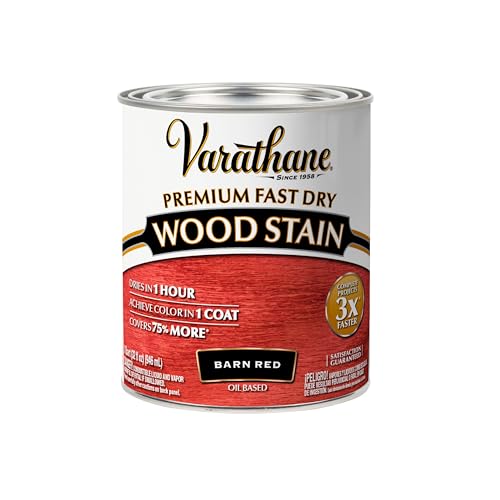
Best for: Doors and trim wanting a warm, traditional redwood hue with crisp grain definition. This one-coat, oil-based stain dries quickly for faster project completion.
Why selected: Barn Red is a versatile, classic color that complements many wood types and hardware styles, making it a go-to for an updated interior look without drastic changes.
Caution: Darker colors may emphasize wood blemishes; prep with a light sanding and proper stain application to minimize blotching.
Varathane Premium Fast Dry Kona Spray (Kona)
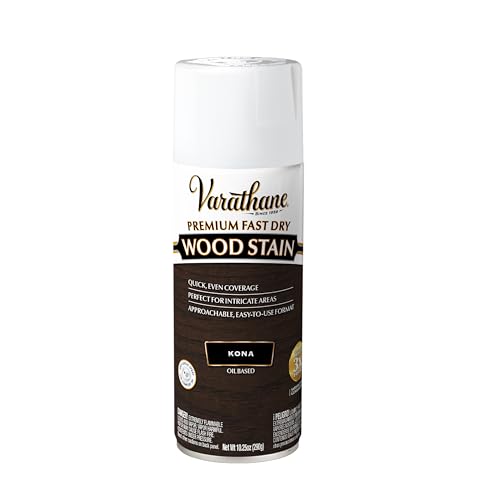
Best for: Intricate door details, panels, and trim where a precise application is needed with minimal brushing. The Kona spray provides fast, even coverage on interior surfaces.
Why selected: Spray form helps achieve consistent color in hard-to-reach areas, reducing streaks and providing smoother finishes on detailed doors.
Caution: As with other sprays, avoid overspray onto adjacent surfaces; mask surrounding areas and work in controlled airflow environments.
Buying Guide: How to Choose The Right Interior Door Stain
- Finish type: Oil-based stains offer rich color and durability but require solvent cleanup; water-based or gel stains reduce odor and cleanup and may be easier to apply indoors.
- Application method: Brushes for even coverage, sprays for hard-to-reach areas, and gels for vertical surfaces or minimal drips. Choose based on door design and your comfort level.
- Dry time and recoat windows: Fast-dry products help complete projects quickly; consider whether you’ll apply multiple coats or a single coat suffices for depth.
- Wood type and prepped condition: Open-grain woods may blotch with oil-based stains; pre-stain conditioners or gel stains can even out color on soft woods.
- Color and mood: Darker hues (Ebony, Dark Walnut) create formal looks; mid-tones (American Walnut, Kona) offer versatility; bold tones (Barn Red) imply traditional, statement interiors.
- Ventilation and odor: Water-based gels are lower odor, better for enclosed spaces; oil-based stains need good ventilation and odor control.
Practical buying tips
- Test color on a hidden door panel or scrap wood before full application to gauge blotching and depth.
- For doors, consider grain contrast; prep with light sanding and blotching control to achieve even color.
- Label and organize cans or sprays by project area to avoid mix-ups and ensure consistent color across all doors in a space.
Frequently Asked Questions
- What stain is best for interior doors with existing clear coat? Look for products compatible with bare wood or re-sanding and stripping the old finish before applying stain.
- Should I use a conditioner before staining soft woods? Yes, pre-stain conditioners help reduce blotching on woods like pine or poplar.
- Are spray stains more or less durable than brushes? Durability is similar when properly cured; sprays offer easier application on intricate surfaces but require masking and proper ventilation.
- Can I achieve a uniform dark finish on all doors with one coat? Some stains advertise one-coat coverage; always check the wood’s porosity and consider a second coat if needed for even depth.
- How do I maintain the stain on interior doors? Use a soft, lint-free cloth for dusting, and reapply a protective finish if the surface shows wear or dullness.