Looking for the best light beige exterior paint that covers well, lasts outdoors, and fits your project needs? This guide highlights five top options that balance curb appeal with practical performance. The selections cater to a range of buyers—from DIY homeowners seeking easy one-coat coverage to contractors needing durable exterior protection. Each product is evaluated on coverage, finish, and suitability for common exterior surfaces. The summary table below helps you compare at a glance.
| Product | Brand | Best For | Finish | |
|---|---|---|---|---|
| EVOLVE Paint & Primer Beach Beige | EVOLVE | Low-traffic exterior surfaces | Eggshell | One-coat option |
| Glidden Total 1 gal Seriously Sand/Beige | Glidden | Rough or varied substrates | Semi-Gloss | All-in-one primer |
| Rust-Oleum Painter’s Touch 2X Satin Smokey Beige | Rust-Oleum | Interior or exterior projects | Satin | Oil-based, quick-dry |
| KILZ Self-Priming Masonry Paint | KILZ | M textured masonry and bricks | Flat | Self-priming |
| EVOLVE Interior Paint & Primer Satin Beach Beige | EVOLVE | Interior surfaces with exterior vibe | Satin | Low VOC |
EVOLVE Paint & Primer: Beach Beige, 1-Gallon

Best for: DIY homeowners seeking simple, low-maintenance exterior updates on surfaces that benefit from one-coat coverage. This paint-and-primer-in-one formula seals surfaces and reduces coat counts, with options in multiple sheens including eggshell for a durable, easy-to-clean finish. The product is designed for exterior use and is suitable where quick, clean aesthetics matter. Caution: for very porous or weathered substrates, you may still want a primer in some areas to ensure maximum adhesion.
Glidden Total 1 gal Seriously Sand/Beige Exterior

Best for: Homeowners with diverse exterior substrates who want durable, long-lasting color with good hide and coverage. This paint claims strong outdoor performance across wood, brick, masonry, concrete, and primed metal. It works well on surfaces that see weather exposure and requires proper surface prep for ideal results. Limitation: as a semi-gloss finish, it can highlight surface imperfections if surfaces aren’t properly prepared.
Rust-Oleum Painter’s Touch 2X Exterior, Smokey Beige

Best for: Projects requiring fast-drying, versatile spray paint for multiple exterior surfaces, including metal, plastic, and masonry. The 2X formula provides accelerated coverage and durability, making it suitable for touch-ups or detailed work on exterior fixtures. Caution: spray application may require multiple light coats to avoid runs on large areas, and ventilated outdoor use is essential due to fumes.
KILZ Self-Priming Masonry, Flat Beige

Best for: Textured masonry, stucco, brick, and rough surfaces where a single, self-priming coat is desired. The acrylic latex formula offers adhesion and water repellency with alkali resistance, simplifying exterior projects. Choose this if you want straightforward application on rough surfaces. Limitation: flat finishes can show surface imperfections more readily compared to satin or semi-gloss options.
EVOLVE Interior Paint & Primer Satin Beach Beige
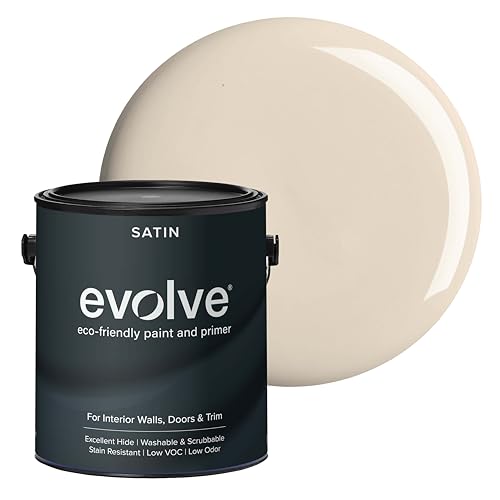
Best for: Indoor spaces where a light beige tone with a soft satin finish is desired. The paint-and-primer-in-one formula provides good hide and makes interior walls easier to clean. It’s suitable for living rooms, hallways, and bedrooms where a subtle sheen helps resist scuffs. Caution: for high-traffic areas or kitchens, you may prefer a higher-sheen finish for enhanced durability and wipeability.
S.M. Arnold Refinishing Spray Paint – Light Beige

Best for: Automotive-style refinishing needs on leather, plastic, metal, and similar materials, with a dual-use potential for interior and exterior touch-ups. The premium adjustable nozzle supports precise application on tight areas. Caution: not a primary exterior wall paint; best for small fixtures, trims, or automotive projects. Consider this if you need a color match for beige accents.
Buying Guide: Light Beige Exterior Paint — Key Considerations
What surface are you painting? Exterior surfaces vary from wood to brick, stucco to metal. Choose a product with proven adhesion and weather resistance for your substrate. If you want fewer coats, look for paints labeled as “paint and primer in one” and check real-world hide and coverage claims.
What finish do you prefer? Flat finishes hide imperfections but show weathering more easily, while satin or semi-gloss finishes are easier to clean and more durable but can highlight surface flaws. For exterior walls, a durable finish that resists fading and chalking is important.
Is ease of application a priority? Many exterior paints offer one-coat coverage or self-priming options, which save time. Spray paints and aerosols can be handy for small areas, trims, and touch-ups but aren’t ideal for large wall surfaces.
Environmental and safety considerations: Low VOC options reduce odors and improve indoor air quality when used indoors. For exterior projects, VOCs are still a consideration if you work in enclosed spaces or near occupants sensitive to fumes.
Frequently Asked Questions
- What is the advantage of a paint-and-primer-in-one product? It combines sealing, priming, and color in a single coat, often reducing the total coats needed and speeding up projects.
- Which finish is best for exterior walls exposed to sun? A durable finish such as satin or semi-gloss tends to resist washings and UV fade better than flat, but prep is essential for best results.
- Can I use interior beige paint on exterior surfaces? Exterior surfaces generally require exterior-grade paints with appropriate weather resistance; interior formulas may not perform well outside.
- How important is surface preparation? Very important. Proper cleaning, sanding, and priming (if required) improve adhesion and longevity of the finish.
- Is low-VOC paint suitable for exterior use? Yes, many exterior paints now offer low-VOC formulas that reduce odors and environmental impact without sacrificing performance.
- When should I choose a spray paint? For small areas, trims, or quick touch-ups where brushing is impractical, spray paints can be efficient but require ventilation and careful masking.