If you want a protective finish that stays crystal-clear over time, choose water-based polyurethanes or clear polycrylics rather than traditional oil-based formulas. This guide highlights five top options that minimize yellowing, ideal for light woods and projects where keeping the natural color matters. These selections are best for interior wood projects like furniture, cabinets, trim, and decorative pieces. They balance clarity with durability and ease of use for DIYers and professionals alike.
Summary table of chosen products
| Product | Best For | Finish Type | |
|---|---|---|---|
| Minwax 63333 Clear Polycrylic Satin | Light woods (Maple, Birch, Ash) | Water-based Polycrylic | Crystal clear, non-yellowing, low odor |
| Varathane Oil-Based Ultimate Polyurethane (Half Pint, Satin) | Projects needing warm accent | Oil-based Polyurethane | Fast dry, self-leveling with golden glow |
| Minwax 233334444 Polycrylic Protective Wood Finish | Interior woodwork and furniture | Water-based Polycrylic | Crystal clear, non-yellowing, low odor |
| Varathane Oil-Based Ultimate Polyurethane (Quart, Semi-Gloss) | Durable interior surfaces | Oil-based Polyurethane | Hard finish, warm glow, self-leveling |
| Varathane 250241H Water-Based Ultimate Spar Urethane (Quart, Satin) | Outdoor-ready interiors and exteriors | Water-based Spar Urethane | Durable, quick drying, easy cleanup |
Minwax 63333 Clear Polycrylic Satin Finish

What it is best for: This water-based polycrylic offers a crystal-clear satin finish that prevents yellowing, making it ideal for light woods and furniture where natural color should remain true. It is particularly suitable for woodwork, cabinets, doors, and interiors that require a low-odor option.
Why it was selected: It explicitly touts a non-yellowing, non-ambering finish, with compatibility across Minwax oil-based and water-based stains. It provides durable protection against scratches and spills without altering wood tone.
Limitations: As a water-based product, it may raise concerns for projects requiring the deep warmth that oil-based finishes can provide. Heavier coats may require longer cure times between applications.
Varathane Oil-Based Ultimate Polyurethane (Half Pint, Satin)

What it is best for: This oil-based polyurethane is chosen for projects where a warmer, golden glow and rich grain highlight are desired. It’s suited to furniture, trim, and cabinets that benefit from a traditional amber tone with a durable finish.
Why it was selected: It dries quickly relative to other oil-based options and self-levels to reduce brush marks, delivering a smooth, even appearance.
Limitations: Oil-based finishes tend to yellow over time, especially on very light woods or in bright lighting conditions. They also have stronger odors and longer cleanup compared to water-based formulas.
Minwax 233334444 Polycrylic Protective Wood Finish

What it is best for: This product is ideal for interior wood projects like furniture, doors, and cabinets where a clear, satin finish is desired without yellowing.
Why it was selected: It mirrors the crystal-clear, non-yellowing properties of other polycrylics while offering a satin sheen that suits contemporary decor. Its low odor helps with indoor application.
Limitations: As with other water-based finishes, it may require more coats to build depth on very dark or highly figured woods.
Varathane Oil-Based Ultimate Polyurethane (Quart, Semi-Gloss)
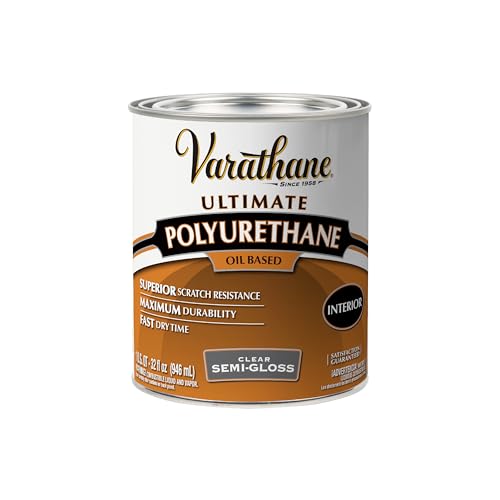
What it is best for: Choose this for projects where maximum durability is required and a warmer, golden finish is acceptable. It’s well-suited for high-traffic surfaces like tabletops or cabinet doors.
Why it was selected: It delivers an oil-based hard finish with strong durability and self-leveling properties to minimize brush marks on large surfaces.
Limitations: Oil-based finishes tend to amber with age and can be more challenging to clean up due to solvent use. Ventilation is important during application and curing.
Varathane 250241H Water-Based Ultimate Spar Urethane
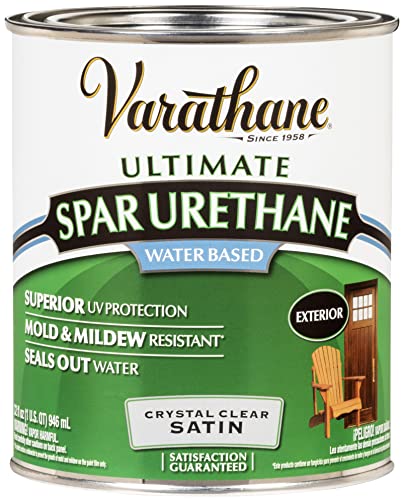
What it is best for: This quart-sized water-based spar urethane is designed for outdoor-ready protection on outdoor furniture, doors, windows, and trim, offering moisture resistance while staying clear.
Why it was selected: It combines the ease of water cleanup with durable outdoor-grade protection. The satin finish remains relatively non-yellowing on exposed wood, preserving natural color under varying light conditions.
Limitations: It’s primarily recommended for exterior use or areas with moisture exposure; indoor-only projects may not need spar urethane’s extra UV and weather resistance.
Buying Guide: Non Yellowing Finishes For Wood Projects
- — Determine whether you prioritize crystal clarity (water-based or polycrylic) or the deeper warmth of oil-based finishes. Light woods benefit most from non-yellowing, clear coats.
- — Water-based options dry quickly and have low odor, ideal for indoors and rapid project turnaround. Oil-based formulas take longer to cure and have stronger solvent smells.
- — Choose satin for a subtle sheen that reduces glare, or gloss for more pronounced reflective depth. Satin often hides minor surface imperfections better.
- — For high-traffic furniture or cabinetry, look for durable, hard-wearing finishes. Spar or exterior-grade products add moisture resistance for outdoor use.
- — Water-based products clean up with soap and water. Oil-based finishes require mineral spirits or similar solvents and may demand proper ventilation.
- — Some finishes are explicitly compatible with both oil-based and water-based stains. Test on a hidden area to confirm color stability and coverage.
- — Clear coats that are non-yellowing are easier to touch up without noticeably altering color. Consider compatibility with future refinishing steps.
FAQ
- A: Oil-based finishes oxidize as they cure, often deepening color with age, especially on light wood. Water-based formulas resist this yellowing.
- A: Polycrylic is a water-based clear finish with polyurethane properties, offering clearer, non-yellowing protection versus traditional oil-based polyurethane.
- A: Yes, many water-based topcoats are compatible with both oil- and water-based stains, but always test and follow product guidelines.
- A: Non-yellowing water-based polycrylics or water-based polyurethane help maintain the wood’s pale color, whereas oil-based can deepen warmth.
- A: Typically 2–3 coats for most interiors; follow the manufacturer’s guidance for the specific product you choose.
- A: Lightly sand with 220–320 grit, remove dust, and apply in thin coats for best leveling and clarity.