When choosing ocean-blue pool paint, you want a finish that lasts, resists UV and chemicals, and looks tile-like in a concrete, plaster, or masonry pool. This guide highlights five top ocean-blue options suited for different project needs, from large in-ground pools to small DIY upgrades. Best for: DIYers seeking long-term durability; homeowners prioritizing color depth; builders working with concrete or plaster surfaces.
| Product | Brand | Size | What It’s Best For |
|---|---|---|---|
| Dyco Waterborne Acrylic Pool Paint (Ocean Blue, 5 Gallon) | Dyco Paints | 5 Gallon | Large concrete pools needing long-lasting color and crack-sealing capability |
| Dyco Waterborne Acrylic Pool Paint (Ocean Blue, 1 Gallon) | Dyco Paints | 1 Gallon | Smaller pools or decks; easier to handle for DIY touch-ups |
| YOA Pool Paint Ocean Blue (1 Gallon) | YOA | 1 Gallon | DIY projects with multiple substrate types; strong preparation guidance included |
| INSL-X Waterborne Aquamarine Pool Paint (1 Gallon) | INSL-X | 1 Gallon | Fresh or saltwater pools; quick-drying finish |
| Olympic Pool Paint Zeron Bikini Blue (1 Gallon) | Kelley Technical Coatings | 1 Gallon | Two-part epoxy system for broad compatibility with plaster, fiberglass, steel, and aluminum |
Dyco Waterborne Ocean Blue Pool Paint – 5 Gallon

Dyco Waterborne Acrylic Pool Paint delivers a tile-like finish on concrete, plaster, or masonry. It is designed for long-lasting durability against UV exposure, fading, peeling, cracking, staining, water, salt, and chemicals. It also helps seal hairline cracks, making it suitable for aging surfaces. Best for: large concrete or plaster pools where you want a durable, low-odor finish. Caution: check surface prep requirements to ensure optimal adhesion.
Dyco Ocean Blue Pool Paint – 1 Gallon

This Dyco 1-gallon option offers the same UV and chemical resistance in a smaller package, ideal for modest projects or touch-ups on existing pool coatings. Best for: homeowners updating a smaller pool or performing patchwork on a larger project. Limitation: size may necessitate multiple batches for larger surfaces.
YOA Pool Paint Ocean Blue – 1 Gallon
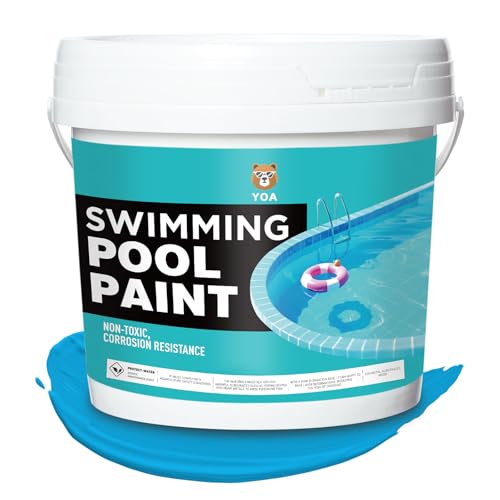
YOA Pool Paint Ocean Blue provides guidance on surface preparation and mixing ratios, including fabric reinforcement for cracks. It covers cement, putty, latex paint, walls, and pools. Best for: DIYers who want clear preparation steps and flexible application methods. Caution: ensure proper mixing and viscosity adjustments as directed; failures often relate to improper mixing or surface prep.
INSL-X Aquamarine Waterborne Pool Paint
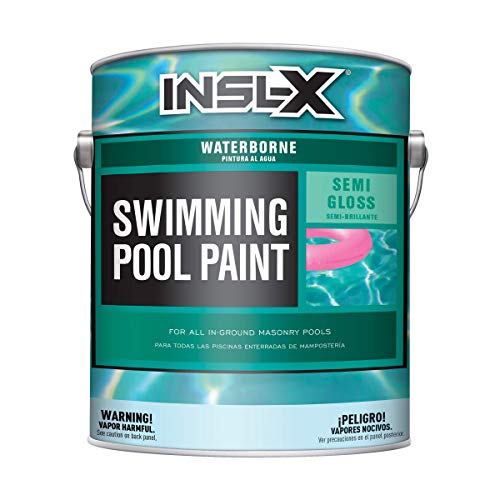
INSL-X Aquamarine is a waterborne acrylic pool paint suitable for fresh or saltwater pools with quick-drying properties. Best for: pools where rapid recoating is desired and water exposure is high. Limitation: check compatibility with existing coatings to ensure proper adhesion and finish longevity.
Olympic Zeron Bikini Blue Pool Paint – 1 Gallon

Olympic Zeron Bikini Blue is a two-part epoxy system designed for plaster, fiberglass, steel, and aluminum pools. A gallon yields roughly 125–150 square feet per gallon, depending on porosity and application. Best for: projects needing a very durable epoxy coating with broad substrate compatibility. Caution: mixing and timely use are critical to avoid premature hardening.
Buying Guide: Ocean Blue Pool Paint Essentials
- Surface compatibility: Concrete, plaster, masonry, fiberglass, or metal surfaces may require different primers or prep steps. If you see fabric reinforcement or crack-sealing features, plan for additional prep work.
- Durability and chemical resistance: Look for formulas that resist UV fading, chlorination, saltwater, and water exposure. This affects long-term appearance and maintenance intervals.
- Application and drying time: Consider whether you need quick recoats or longer working times. Two-part systems often need careful timing and mixing accuracy.
- Color depth and finish: Ocean-blue hues vary by brand; confirm whether the finish is tile-like, matte, or glossy to match your pool design.
- Size and coverage: Larger pools may justify 5-gallon purchases; smaller installations may rely on 1-gallon options. Check coverage per gallon to estimate total needs.
- Maintenance plan: Some paints seal hairline cracks, while others require periodic monitoring for peeling or wear in high-traffic zones.
Frequently Asked Questions
- What is the best pool paint for saltwater pools?
Answer: Look for paints explicitly labeled for saltwater resistance and chemical stability, such as waterborne acrylics designed for pool use. - Do ocean-blue pool paints require a primer?
Answer: Some products include crack sealing or are designed to adhere well to concrete surfaces with proper surface prep; always follow the manufacturer’s prep instructions. - How long does pool paint typically last?
Answer: Longevity varies by product and environment, but proper application and maintenance extend life significantly beyond a single season. - Can I apply pool paint over an existing coating?
Answer: Many paints require a stable, clean surface and may need to be applied over compatible old coatings or with a primer suitable for pool surfaces. - Is two-part epoxy better than acrylic pool paint?
Answer: Epoxy systems offer higher durability and chemical resistance but require careful mixing and handling; choose based on pool material and maintenance goals. - What should I consider before choosing light versus dark ocean blue?
Answer: Deep ocean blues can show algae or staining more easily; lighter tones may require more frequent cleaning but can brighten water appearance.