Oil based drywall primer provides strong stain blocking, durable adhesion, and a solid base for topcoats on drywall surfaces. This guide helps buyers choose the right oil-based primer for interior projects, whether you are covering water stains, nicotine smoke, or tannins. The top picks below are suitable for different needs—professional setups, odor management, and robust exterior-inside versatility. The buyer types most likely to benefit include DIY homeowners tackling stain-heavy walls, painters seeking quick-dry options, and renovators needing durable sealing before finishes.
Summary table of selected products:
| Product | Best For | Why It Stands Out |
|---|---|---|
| Zinsser 3608 Cover Stain Oil Base Primer Spray | Interior and exterior stain blocking | Excellent hiding power, seals and blocks stains; no sanding required |
| Rust-Oleum 3504 Zinsser Cover Stain Oil Based Primer | High-stain coverage in bulk needs | High-hiding formula with fast dry; easy sanding |
| Masterchem Kilz Odorless Interior Oil Based Sealer Primer & Stainblock | Low-odor interior projects | Odor-blocking and sealer properties for mold-prone areas |
| KILZ Original White Flat Oil-Based Primer 1 Gal | Heavy stain blocking + odor sealing | Powerful stain blocking with versatile topcoat compatibility |
| Kilz Original Interior Oil-Based Primer/Sealer 1 Quart | Multi-surface versatility | Combines sealer, primer, and stain blocker in one |
Zinsser 3608 Cover Stain Oil Base Primer Spray

- Best For: Quick, spray-on stain blocking for both interiors and exteriors; ideal for projects that require fast coverage in tight spaces.
- Why Selected: This spray primer delivers ultimate hiding power, seals and blocks stains, requires no sanding, and prevents tannin bleed. It adheres well to problematic surfaces and speeds up prep work.
- Limitations: Spray format may require more even application in windy conditions; follow ventilation guidelines for odor control.
Rust-Oleum 3504 Zinsser Cover Stain Oil Based Primer
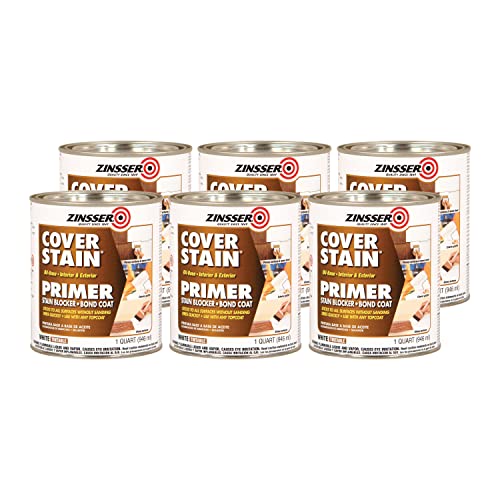
- Best For: Bulk interior or exterior projects needing strong stain blocking and fast recoat readiness.
- Why Selected: High-hiding formula blocks most stains and helps seal water, smoke, and nicotine stains; sands easily and dries to the touch quickly.
- Limitations: May require multiple coats on heavy stains; ensure proper surface preparation for best sealing.
Masterchem Kilz Odorless Interior Oil Based Sealer Primer & Stainblock

- Best For: Interior projects where odor control is important, and mold-prone spaces require sealed surfaces.
- Why Selected: Odor-blocking and sealer properties help prevent stains and odors; provides durable coverage over drywall, masonry, and metal.
- Limitations: Odorless options may still carry odor initially; ventilation during application is advised.
KILZ Original White Flat Oil-Based Primer 1 Gal
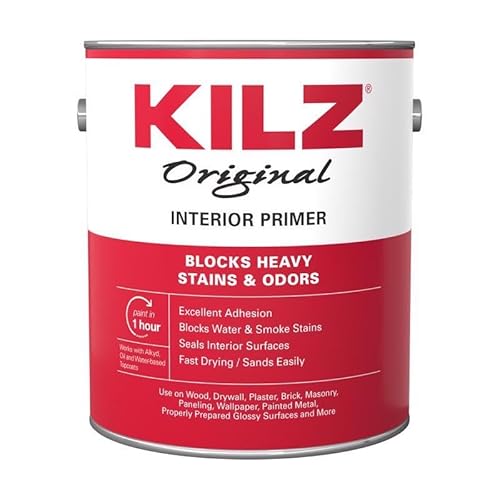
- Best For: Stain-heavy drywall prep where robust blocking is required prior to topcoat.
- Why Selected: A powerful stain-blocking formula that blocks water, smoke, tannin, ink, and odors; versatile as interior topcoat ready.
- Limitations: May require longer dry times in cool conditions; ensure proper ventilation when applying.
Kilz Original Interior Oil-Based Primer/Sealer

- Best For: Projects needing multi-purpose solvent-based sealing, primer, and stain blocking in one product.
- Why Selected: Combines sealer, primer, and stain blocker, offering reliable surface preparation across diverse materials; effective on light to heavy stains.
- Limitations: Oil-based formulas require proper ventilation and clean-up with mineral spirits; choose this if tolerance for solvent cleanup is acceptable.
Diamond Brite Industrial Oil Alkyd Primer

- Best For: Surfaces requiring rust resistance and durable base coats for metal, wood, and masonry.
- Why Selected: Provides a tough, durable base that resists scuffs, fading, cracking, and peeling when used with Diamond Brite oil-based enamel; pairs well with rust-prone projects.
- Limitations: More suitable for metal or wood surfaces; may require longer cure times for full hardness in some environments.
Odorless Primer/Sealer, Oil Based, Qt.
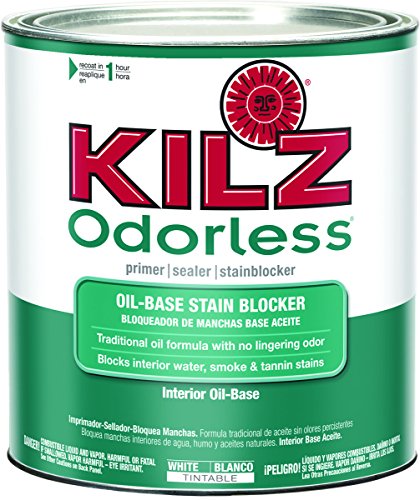
- Best For: Interior spaces where odor control and quick recoat are priorities.
- Why Selected: Seals and blocks interior stains and odors; bright white and non-yellowing; quick dry enables faster project progression.
- Limitations: May not offer the same extreme stain blocking as some heavy-duty options; suitable for moderate stain scenarios.
Buying Guide: Oil-Based Drywall Primer Essentials
- Stain blocking performance: Choose primers designed for water, smoke, tannin, or odor stains if staining is a primary concern.
- Odor and ventilation: Oil-based primers can emit strong odors; look for odor-blocking or low-odor variants if scent sensitivity or indoor air quality is a priority.
- Surface compatibility: Most oil-based primers work on drywall, masonry, metal, and wood. Verify compatibility for your wall material and the intended topcoat.
- Dry time and recoat window: Consider projects with time constraints; faster-drying options allow quicker progress, but ensure proper cure times for heavy stains.
- Finish and topcoat compatibility: Some primers are designed to be topcoat-ready or compatible with latex or oil-based paints. Plan accordingly to avoid adhesion issues.
- Application method: Sprays offer speed for large areas or awkward spaces; brushes and rollers provide more control for detailed prep.
- Bulk vs. small containers: For large spaces, bulk primers may be more economical; for small projects, quart or gallon sizes may suffice.
Frequently Asked Questions
- What is the main advantage of oil-based drywall primer? It provides superior stain blocking, strong adhesion, and durable sealing for surfaces that will receive topcoats.
- Can I use oil-based primer on drywall indoors? Yes, but ensure good ventilation and follow the product’s odor control guidance, especially for occupied spaces.
- Do oil-based primers require sanding? Some primers claim no sanding is required, but light sanding between coats often improves adhesion and finish quality on rough surfaces.
- How do I choose between odorless and standard oil-based primers? Odorless variants reduce indoor odors and may be preferable in living spaces; standard oil-based primers generally offer robust sealing but with stronger initial odor.
- Are oil-based primers compatible with latex paints? Many are compatible, but verify topcoat compatibility on the product label to prevent adhesion issues.
- Which primer is best for tannin-rich woods? Look for high-hiding, stain-blocking oil-based primers designed to block tannins and resins.