If you’re painting cabinets, the right additive can improve flow, reduce brush marks, and help achieve a professional-looking finish. This guide highlights five cabinet-focused paint additives designed to improve application and durability for homeowners and DIYers. Each product is best suited for different needs—from leveling and smoothing latex paints to adding non-slip texture on related surfaces. The list helps you compare options without compromising on clarity or performance.
| Product | Brand | Best For |
|---|---|---|
| Flood Floetrol 1 qt. Clear Latex Paint Additive | Flood | Improving flow and spray performance for latex paints; reducing brush marks |
| Flood Floetrol Latex Paint Additive, 1 Gal | Flood | Thinning latex paints for smoother brushing/spraying with less drag |
| JB Industries Latex Paint Conditioner Additive, 32 oz | JB Industries | Better flow and leveling; reducing brush and roller marks |
| Non-Skid Paint Additive Quart for 5 gallons | Fasco Epoxies | Creating a subtle anti-slip texture for surfaces near cabinets (e.g., steps, floors near kitchens) |
| Krud Kutter Gloss-Off Prepaint Cleaner | Krud Kutter | Prepping cabinets by deglossing for better paint adhesion |
Flood Floetrol 1 qt. Clear Latex Paint Additive

Best for: Homeowners seeking smoother latex paint application and reduced brush marks on cabinet surfaces. Flood Floetrol fortifies acrylic and latex paints, helping them spray like oil-based paints while resisting mildew growth for a fresher appearance. Use it when spraying or brushing to achieve a more uniform finish without sacrificing color integrity.
Why selected: It directly targets flow, leveling, and finish quality—key factors when painting cabinet doors, frames, and trim. It’s well-suited for users who want improved control during application while maintaining the look of latex coatings.
Caution: Excessive additive can slightly alter pot life; follow label guidance to avoid thinning beyond recommended limits.
Flood Floetrol Latex Paint Additive
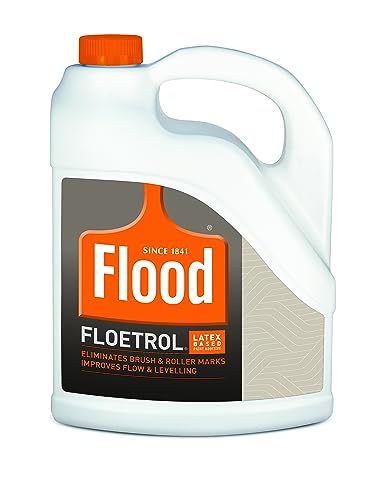
Best for: Mid-to-large cabinet projects requiring consistent flow and excellent leveling with latex paints. This 1-gallon version provides a broader mix ratio for higher-volume jobs or multiple cabinet doors and frames, ensuring durable, smooth finishes.
Why selected: The product’s emphasis on “spray like oil-based” performance helps if you’re using a compressor and spray gun. It reduces spray skipping and helps achieve an even coat in hard-to-reach cabinet corners.
Caution: Always test a small area to confirm spray setup and avoid over-thinning that could affect coverage.
JB Industries Latex Paint Conditioner Additive, 32 oz

Best for: Do-it-yourself painters who want easier spray, brush, or roller application with water-based latex paints. The conditioner improves flow and leveling for a smoother, professional-like finish on cabinet surfaces.
Why selected: It explicitly focuses on eliminating brush and roller marks, which is a common concern when refinishing cabinet doors and trim. It helps achieve a balanced look across panels and surrounding woodwork.
Caution: Use as directed to avoid overly thinned paint that reduces coverage or color depth.
Non-Skid Paint Additive – Fasco Epoxies
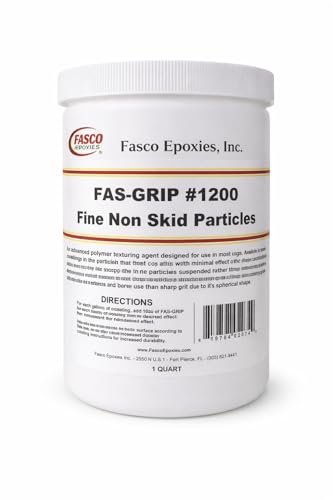
Best for: Surfaces near cabinets where traction matters, such as kitchen entryways or workshop areas adjacent to cabinets. It creates a subtle, uniform anti-slip texture without a rough feel.
Why selected: The product blends easily into various coatings and maintains the original color while adding texture, making it versatile for wider projects beyond cabinets.
Caution: This is a texture additive; use in small increments to avoid overly rough results where a smooth cabinet surface is desired.
Krud Kutter Gloss-Off Prepaint Cleaner

Best for: Cabinet projects requiring superior surface preparation before painting. This cleaner removes gloss, dirt, and residue to improve paint adhesion on cabinets, trim, doors, and furniture.
Why selected: Proper deglossing and cleaning are critical for long-lasting cabinet finishes. This prepaint cleaner streamlines the prep process, especially in kitchens with built-up wax or grime.
Caution: Do not rely on this alone for stubborn residues; if needed, reapply or combine with mechanical prep in heavily cleaned areas.
Buying Guide: Cabinet-Ready Paint Additives
What to consider when choosing a cabinet paint additive:
- Application method: If you plan to spray, choose additives that improve sprayability and leveling, such as Flood Floetrol products or JB Industries conditioner.
- Finish quality: Look for additives that reduce brush marks and roller marks to achieve a smooth, uniform cabinet surface.
- Paint type: Latex or acrylic paints benefit from proper flow enhancers; oil-based options may require different preparation steps.
- Surface prep: For optimal adhesion, pair cleaners like Krud Kutter Gloss-Off with appropriate sanding or deglossing steps.
- Texture needs: If you want a non-slip or textured surface near floors or entry points, select a non-slip additive designed for coatings used around cabinets.
- Maintenance and durability: Consider mildew resistance and chemical resistance if cabinets are in high-humidity kitchens or adjacent utility spaces.
- Safety and compatibility: Read labels for compatibility with your base paint and ensure proper ventilation during use.
Frequently Asked Questions
- Can I use these additives with all cabinet paints?
Most are designed for latex or acrylic paints; verify compatibility with your specific base coat before use. - Will additives change paint color?
Most additives are formulated to preserve color, but always test on a small area. - Do I need to thin paint before adding these products?
Some additives require thinning according to label directions; follow the recommended mix ratios. - Is prepping with a deglosser necessary when painting cabinets?
Yes. Deglossers improve adhesion by removing gloss and surface oils that can hinder bonding. - Which additive best reduces brush marks?
JB Industries Latex Paint Conditioner and Flood Floetrol are specifically aimed at reducing brush and roller marks. - Are non-slip additives appropriate for cabinet interiors?
Non-slip additives are generally used for floors and adjacent surfaces; use cautiously to avoid texturing cabinet surfaces themselves.