When choosing paint for a fireplace insert, you want high-heat, durable coatings that resist heat cycling, flames, and soot. This guide highlights five top-purpose high-temperature paints and related primers, with clear guidance on who each product suits best. Ideal buyers include DIY homeowners restoring cast iron stoves, wood-burning inserts, and brick fireplaces, as well as professionals refinishing metal surfaces exposed to extreme heat.
Summary table of chosen products:
| Product | Main Use | Best For | Key Benefit |
|---|---|---|---|
| Furniture Clinic Stove Restorer | High heat paint for cast iron and metal | Log burners, grates, and metal fireplaces | One-step restoration with natural black finish |
| Rutland High Temperature Fireplace Paint | 1000+°F to 1200°F rated flat black paint | Steel, cast iron, brick, stoves, and grills | Excellent heat resilience and broad metal compatibility |
| Forrest Hi-Temperature 1200° Paint | High-heat finish in Forrest Green | Wood stoves and fireplace inserts | Color option with high-temp performance |
| Seymour 16-1201 Hot Spot Spray | High-heat spray coating to 1200°F | Grills, stoves, engines, exhaust | Porcelain-like finish with strong adhesion |
| Stove Bright High Temperature Primer | High-temp primer for metal surfaces | Stoves, fireplaces, inserts, grills | Improves adhesion and durability of topcoats |
Furniture Clinic Stove Restorer

This high-heat paint is designed to restore the color of black metal with a single application, delivering a natural finish that smooths faded or worn areas on logs burners, grates, and fireplaces. It’s best for buyers seeking a quick, user-friendly restoration with minimal effort. It’s described as non-toxic, non-flammable, and low-odor, with a curing process that requires light use after 10 minutes of drying. This makes it suitable for DIY projects in finished living spaces. A limitation is that it provides a color-restoration effect rather than a full aesthetic overhaul on heavily corroded surfaces, and long-term durability depends on proper surface prep and curing conditions. Best for: quick visual restoration of black metal surfaces in wood-burning setups and small fireplaces.
Rutland High Temperature Fireplace Paint

Rutland’s 1200°F flat black paint is a classic choice for restoring or upgrading metal components and fireplace bricks. It adheres to steel, cast iron, aluminum, brick, and other metals, making it versatile for fireplace bricks, stoves, chimney caps, and even grills. It’s not intended for food-contact surfaces, so buyers should avoid applying it to areas that will contact cooking food. Best for: projects involving metal surfaces that require durable heat resistance and a uniform flat-black finish.
FORREST Hi-Temperature 1200 deg. Paint
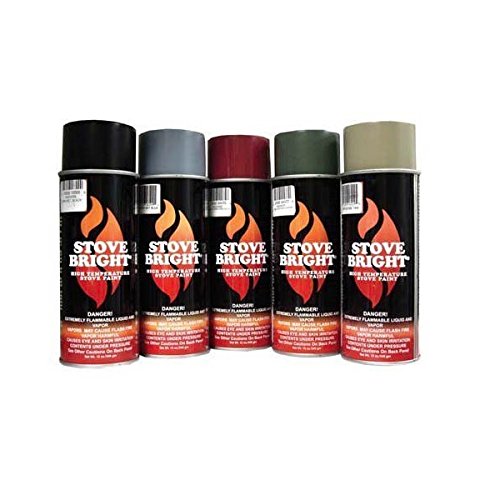
Forrest Green Hi-Temperature Paint is labeled for high-heat environments. The listing notes selecting a color before purchase and mentions that paint is shipped as a hazardous material, which may impact delivery times. This product is suitable for stove and fireplace surfaces that require a green finish and can tolerate up to 1200°F. Best for: users who want a color option beyond plain black and are comfortable with longer shipping times due to hazardous materials handling.
Seymour 16-1201 Hot Spot Spray

Seymour Hot Spot is a spray form that stands up to 1200°F, offering a porcelain-like finish and robust adhesion. It’s designed for high-heat surfaces and aims to resist peeling or blistering under heat cycles. The spray format can be convenient for larger or intricate metal components, but users should follow ventilation and application guidelines when applying in enclosed spaces. Best for: projects requiring a uniform spray finish on grills, stoves, engines, and metal surfaces subjected to high heat. Limitation: spray applications may require masking and multiple light coats for even coverage.
Stove Bright High Temperature Primer
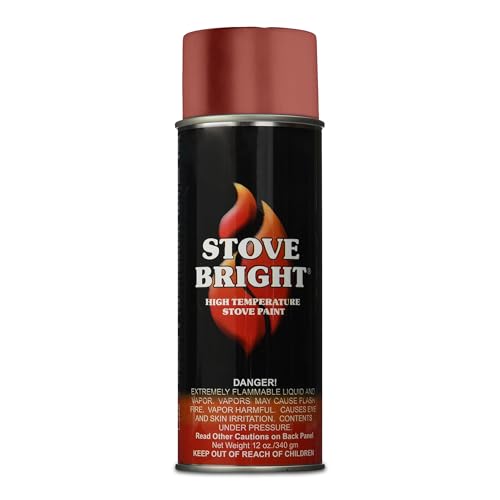
This high-temperature primer is designed to strengthen paint adhesion on metal surfaces exposed to high heat. It’s positioned as a preparatory layer for stoves, fireplaces, inserts, and grills, enhancing durability and resistance to heat cycling. Best for: DIY restorations where a durable base layer is needed to improve the longevity of the final topcoat. Caution: ensure proper surface prep and curing times for best results, and verify compatibility with the chosen topcoat.
Buying Guide
What should you consider when selecting paint for a fireplace insert?
- Temperature rating: Choose coatings rated for the highest temperatures your unit may encounter, typically up to 1200°F or higher for metal components.
- Substrate compatibility: Metal, brick, and stone surfaces have different adhesion needs. Mixing a primer with a topcoat often yields the best durability.
- Finish type: Flat/low-sheen finishes minimize glare from flames and soot; glossy finishes can highlight soot buildup but may be harder to keep clean.
- Application method: Sprays offer ease for intricate parts; brushes and sponges are better for even coverage on flat surfaces. Consider ventilation and safety when applying.
- Prep and curing: Clean surfaces, remove rust, and follow cure times. Proper curing reduces peeling and extends life under heat.
- Safety: Look for low-odor, low-emission formulations when used in living spaces. Non-toxic options reduce exposure during application.
Practical buying questions
- Do I need a primer for my project? If the surface is bare metal or heavily rusted, a high-temp primer like Stove Bright can improve adhesion and durability.
- Is a color beyond black available? Yes, Forrest Green and other color options exist, but confirm color availability before purchasing.
- Can I apply topcoat over a cured base? Yes, many high-heat paints require a compatible topcoat; check that the products are designed to work together.
- How long does curing take? Dry times vary; many options require at least 10 minutes before light use, with full cure times extending over hours.
FAQ
- What surfaces can these paints coat? Most are suitable for metal surfaces, including cast iron, steel, and brick surfaces around fireplaces and stoves.
- Are these paints safe indoors? Many are designed to be low-odor and non-toxic after curing, but always ensure proper ventilation during application.
- Will the paint withstand direct contact with flames? They’re designed for high-heat exposure, but avoid direct contact with cooking surfaces and extended flame contact beyond design specs.
- Can I use regular household paint on a fireplace insert? No. Regular paints are not rated for extreme heat and can blister or fail, risking damage and fumes.
- How should I prepare the surface? Clean, degrease, and remove loose rust or scale. A primer can improve adhesion on rough or bare metal.
- Is brush application better than spray? It depends on the surface. Brushes suit flat areas; sprays help reach joints and intricate parts but require masking and ventilation.