Answering the common question of which paint and recoloring options work best for leather chairs, this guide highlights five effective products. Each choice targets different needs—from quick touch-ups to complete color restoration. Best for DIY enthusiasts, professional-looking results, or households with pets and kids, these selections help extend the life of leather chairs without replacing them.
Overview of top picks
| Product | Best For | Why It Stands Out |
|---|---|---|
| FORTIVO Leather Recoloring Balm | Faded, scratched dark brown leather | Restores color and protects against future wear |
| ARCSSAI ARCSSAL Leather Repair Kit | Color-matching fixes on various materials | 10-color system for versatile color matching |
| Angelus Acrylic Leather Paint – Black | General leather painting and touch-ups | Water-based, non-toxic, versatile for many surfaces |
| Angelus Dark Brown Acrylic Leather Paint | Deep recoloring and even coverage | Deep color, universal use on leather and vinyl |
| Furniture Clinic Leather Repair Paint | Multiple colors, wide application | 16 colors, quick-dry and flexible finish |
FORTIVO Leather Recoloring Balm, Dark Brown

The FORTIVO balm is designed for dark brown leather, focusing on recoloring, scratch reduction, and conditioning. It revitalizes faded areas while maintaining a rich, stain-free finish. Best for homeowners seeking a single-step solution that preserves the leather’s natural oils and reduces visible wear. A potential limitation is that results depend on existing dye depth and surface condition, so uneven fades may require multiple applications.
ARCSSAI ARCSSAL Leather Repair Kit

The ARCSSAI kit emphasizes color matching with 10 base colors plus mixing to reach a broad spectrum. It suits users who want to repair and restore color on leather, vinyl, and bonded materials across furniture, cars, and accessories. It includes step-by-step instructions and a fast-drying adhesive. Best for those needing a customizable color match, but it requires careful color blending to achieve a seamless look. Not ideal for quick, single-color fixes on complex leather tones.
Angelus Acrylic Leather Paint – Black

Angelus offers a classic leather paint option in black, suitable for restoring and revamping leather items beyond chairs. The water-based, non-toxic formula makes it appropriate for homes and projects where safety matters. Best for general restoration or color changes requiring a flexible, paintable finish that adheres to leather surfaces. A limitation is color availability—this listing is black, so other tones require separate purchases.
Angelus Dark Brown Acrylic Leather Paint

This dark brown Angelus option targets deeper brown tones with an emphasis on uniform coverage and texture preservation. It’s suitable for repairs on furniture, car seats, and other leather goods requiring a consistent dark brown finish. Choose this if your project needs a durable, flexible color that blends well with natural leather textures. A note: ensure color matching to existing shade, as browns can vary widely across hides and finishes.
drtulz Leather Recoloring Balm

drtulz offers a comprehensive recoloring balm designed for leather and vinyl, suitable for car interiors, furniture, and accessories. It supports multiple leather items like couches, steering wheels, and jackets with rapid, durable results. Best for those seeking a complete kit experience, including materials to apply and finish. Consider potential odor or surface-specific results; test on a small area first to ensure compatibility with your leather finish.
Furniture Clinic Leather Repair Paint
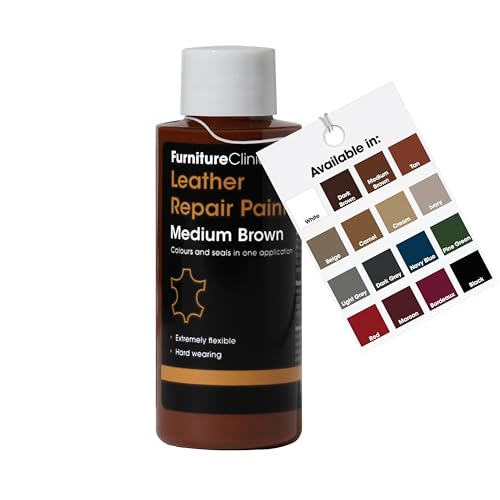
Furniture Clinic’s repair paint provides 16 available colors for broad color matching and color-changing capabilities, offering a flexible, fast-drying finish. It’s well-suited for furniture and car seats where precise color replication is needed. Best for users who want multiple color options and a finish that remains supple after drying. A limitation is the need for careful application to avoid visible brush marks on textured hides.
Buying Guide: Leather Chair Color and Repair Essentials
- Goal alignment: Are you restoring faded color, concealing scratches, or changing the overall shade? Pick a product that matches your primary need (recoloring balm for color restoration, repair kit for color matching, or paint for precise color changes).
- Material compatibility: Leather, faux leather, and vinyl respond differently to dyes and paints. Use products labeled for “leather and vinyl” when your chair uses bonded or synthetic leather.
- Color matching: For a seamless look, select kits with multiple base colors or a universal color system. Expect small variations; test on a hidden area first.
- Finish and flexibility: Choose flexible, breathable finishes to minimize cracking as the seat flexes. Flexible formulas help maintain the texture of the leather.
- Application method: Brushes, sponges, and sprays each have trade-offs with texture and evenness. Brushes offer control but may show strokes; sprays provide even coats but require masking of surrounding areas.
- Safety and odor: Water-based, non-toxic options are preferable for households with children or pets. Ventilation during application improves results and safety.
- Long-term maintenance: Aftercare matters. Use a conditioner or balm compatible with your chosen product to extend color longevity and prevent cracking.
Frequently Asked Questions
- Can these products fully restore a cracked leather chair? They can fill in and recolor many minor cracks, but deep structural cracking may require professional upholstery work.
- Will recoloring balm affect existing patina? Recoloring balms are designed to refresh color while preserving natural leather texture; test on a small area first to gauge impact on patina.
- Is it safe to use these products on faux leather? Some products are suitable for leather and vinyl; always verify compatibility before use.
- Do I need an entire kit or can I use a single color paint? Single-color paints work for uniform areas; kits with color-matching options help when colors vary across the chair.
- How long should I cure leather after applying repair paint? Most products require at least a few hours to dry; many suggest a full 24-hour cure before use.
- Can I repaint a chair multiple times if I’m unhappy with the result? Yes, but allow full curing and ensure compatibility with subsequent layers to avoid cracking or peeling.