For textured art, choosing the right paste, tools, and paints is essential to build dimension and depth. This guide highlights five top picks that help you create durable, sculpted textures and vivid color. Best for mixed-media artists, crafters, and hobbyists who want strong 3D effects without complex setups.
| Product | What It’s Best For | Why It Stands Out |
|---|---|---|
| Falling in Art Modeling Paste | Ultra-durable 3D textures | High-density, sandable, stone-like finish |
| Endhokn Thick Modeling Paste | Heavy relief textures | Thick, easy-to-sculpt consistency |
| Shuttle Art Acrylic Paint Set | Vibrant colors for textured surfaces | 36 colors with quality coverage, includes brushes |
| Artkey Acrylic Paint Set | Professional-grade color for details | Non-toxic, good for layering on textured bases |
| 4 Pack Texture Tools (Xthrotsenk) | Edge patterns for unique textures | Multi-shape scrapers to create varied textures |
Falling in Art Modeling Paste for Acrylic Painting
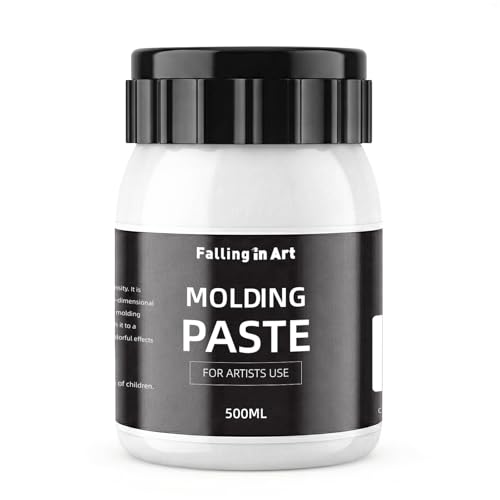
Best for artists seeking a high-density, durable texture base. Falling in Art modeling paste dries to a stone-like hardness, providing a sturdy foundation for three-dimensional effects on canvas or wood. Its water-based formula is non-toxic and easy to sand or carve after it cures. This paste absorbs well and grips surfaces firmly, making it ideal for bold textures that hold up over time.
Who it’s for: This paste is ideal for mixed-media creators and painters who want pronounced relief textures that can be carved or sanded. Choose this if you want strong sculptural textures with a durable, hard finish.
Caution: Work in a well-ventilated area and allow ample drying time between layers to prevent cracking from rapid curing. Use on properly primed surfaces for best adhesion.
Endhokn Thick Modeling Paste

Best for creating pronounced 3D texture with controlled thickness. Endhokn’s high-density paste is designed for thick, dimensional surfaces on canvas, wood, and other supports. It holds shape well and can be sculpted, expanded with additional layers, or carved after drying. A reliable option for bold, tactile art pieces.
Who it’s for: Great for artists building up relief textures and artists who want predictable modeling behavior without runny excess. Choose this paste when you need substantial volume per layer.
Caution: Work with a palette knife or stencils to prevent clogging, and avoid overworking when layer thickness is high to prevent premature cracking.
Shuttle Art Acrylic Paint Set with Brushes

Best for vibrant color options that pair well with textured surfaces. This 36-color set includes classic metallics and a ready-to-use assortment that blends well, layers smoothly, and dries with solid coverage. It comes with brushes and a palette, making it a practical starter kit for textured art projects on canvas, stone, wood, and ceramic.
Who it’s for: Ideal for beginners and intermediate artists who want reliable, non-toxic acrylics that work well for impasto and raised textures. Choose this kit if you need a broad color range in a single purchase.
Caution: Matte sections may appear less saturated on weathered textures; test on a small area to gauge color behavior before large applications.
Artkey Acrylic Paint Set, 24 Colors
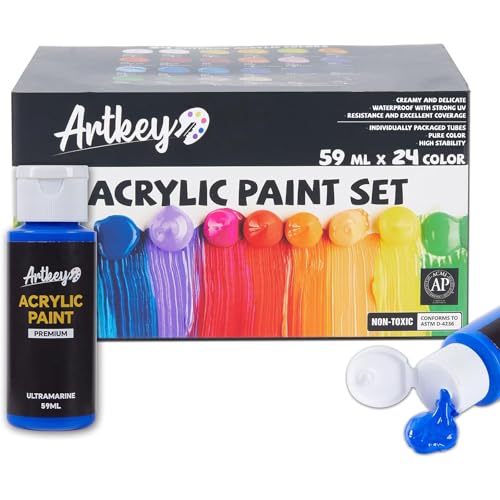
Best for professional-grade color between coats on textured artworks. Artkey’s 24-color set emphasizes rich pigmentation and smooth coverage, with a non-toxic, water-based formula. The paints are designed to maintain vibrancy on layered textures and dry quickly for efficient layering and detailing on raised surfaces.
Who it’s for: Suitable for enthusiasts and professionals who require high color fidelity and reliable layering on textured bases. Choose this if you need precise hues for fine details over impasto elements.
Caution: Non-leaching pigments are common, but ensure proper ventilation when using concentrated colors, especially on larger textural projects.
4 Pack Texture Tools (Xthrotsenk)

Best for adding edges, patterns, and detail to textured surfaces. This toolkit includes multiple scraper shapes like zigzag, wavy, and trapezoidal blades to produce varied textures and edge patterns. Flexibility and durability make these tools suitable for both beginners and seasoned artists who want to shape texture with precision.
Who it’s for: Choose this set if you want to experiment with different texture shapes and patterns without investing in specialized tools. Best for creating distinctive surface movement in mixed-media works.
Caution: Plastic tools can leave shallow marks on very wet paste; wait for initial set before final detailing to avoid tearing or scraping too aggressively.
Buying Guide: Texture-Ready Purchase Considerations
- Texture needs: For thick reliefs, prioritize high-density modeling pastes (like Falling in Art or Endhokn) that hold their shape. For lighter textures, use texture tools with flexible blades to sculpt subtle patterns.
- Surface compatibility: Check that pastes adhere well to your chosen substrate (canvas, wood, or canvas-board). Primed surfaces improve adhesion and reduce cracking.
- Color and finish: For textured art, start with a base coat and then apply texture mediums. Choose acrylics with strong pigmentation and quick-dry properties to minimize smearing on raised areas.
- Tool diversity: A mix of blade shapes enables varied textures. Having both zigzag and wavy patterns helps achieve organic and geometric textures.
- Safety and cleaning: Water-based acrylics are generally easy to clean while wet. Allow paste textures to cure fully before sanding or carving, and wear basic protective gear if sanding.
Frequently Asked Questions
- What is modeling paste used for in textured art?
– It adds dimensional relief to surfaces, allowing artists to build up layers that dry hard and can be carved or sanded for detail. - Can I mix modeling paste with acrylic paint?
– Yes, you can combine paste with acrylics to create color-integrated textures, but apply paste first and paint after it dries. - Are textured pastes safe for kids?
– Many are non-toxic and water-based, but always supervise children and follow label guidance. - How do I prevent cracking in heavy textures?
– Build textures in thinner layers, allow complete drying between layers, and prime the surface to improve adhesion. - What tools help create fine texture patterns?
– A combination of sculpting pastes and different texture scrapers or palette knives provides both large relief and fine details.