Looking for the best paper for chalk pastels? This guide compares top 9″ x 12″ options that support vibrant color, smooth layering, and minimal bleed-through. Ideal for beginners learning blending and color transitions, and for experienced artists seeking durable surfaces for detailed work or mixed media. Below, choose the right pad based on texture, weight, and color variety to match your pastel technique.
| Product | Best For | Notes |
|---|---|---|
| U.S. Art Supply 9″ x 12″ Pastel Paper Pad | Versatile mixed media and pastels | 80 lb (180 gsm); 4 neutral tones |
| Strathmore 400 Series Tape Bound Pastel Pad | Soft and hard pastels with textured surface | 80 lb; assorted colors |
| GR DZPLUS Oil Pastel 9×12 Paper | Heavy-duty pastel and oil pastel work | 123 lb (200 g); neutral, acid-free |
| Somime 9×12 Sanded Pastel Paper Pad | Professional-level layering and vibrant depth | 600 gsm; glassine sheets; assorted colors |
| Canson Mi-Teintes Pastels Paper Pad 9×12 | Classic pastel drawing with reliable texture | Assorted colors; known for blend-friendly surface |
U.S. Art Supply 9″ x 12″ Pastel Paper Pad

Best for artists who want a ready-to-use neutral palette and a textured surface to boost color vibrancy. The 80 lb (180 gsm) weight provides durability for multiple layering passes. Includes four neutral-toned papers to complement chalk pastels and blend smoothly. The 9″ x 12″ size is ideal for mid-scale portraits and still lifes, offering ample canvas without clutter.
Who this is best for: beginners who want an affordable, versatile pad and intermediate artists exploring tonal studies. Why selected: it combines a texture-friendly surface with a modest color range to enhance chalk and oil pastel applications. Caution: not ideal for heavily saturated, wet mediums due to lighter paper weight.
Strathmore 400 Series Tape Bound Pastel Pad
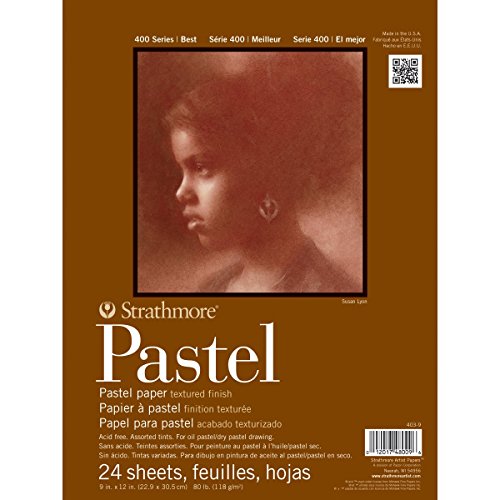
Best for artists who prefer a traditional bound pad with a textured surface that supports both soft and hard pastels. The 80 lb (118 gsm) paper is designed to hold layered pigment while maintaining a crisp edge for precise line work. Assorted colors provide a flexible starting point for color studies or quick concept sketches.
Who this is best for: students and hobbyists who want a reliable, easy-to-use pastel pad. Why selected: reputable Strathmore texture blends well with chalk pastels, delivering predictable blending. Caution: tape binding may limit some page removal and can affect edge integrity if overworked.
GR DZPLUS Oil Pastel | 9×12 in Paper

Best for artists who want a heavyweight, neutral surface specifically designed for hard and soft pastels, as well as oil pastels. The 123 lb (200 g) weight serves as a sturdy foundation for multiple layering and blending sessions. Neutral color helps color accuracy in reference studies.
Who this is best for: serious painters and illustrators who require a durable pad for rich tonal work. Why selected: higher paper weight reduces buckling and allows deep layering. Caution: heavier sheets may be less portable for field sketching.
Somime Sanded Pastel Paper Pad
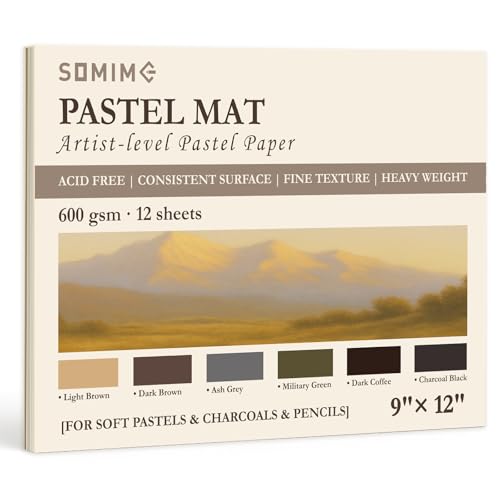
Best for advanced pastelists who demand extreme color depth and blending control. With 600 gsm weight and a sanded texture, this pad provides excellent grip for pigment layers. Includes glassine sheets to protect finished drawings. Assorted colors broaden the surface for experimentations in value and temperature shifts.
Who this is best for: artists focusing on high-precision color blending and textural effects. Why selected: the heavyweight, sanded surface stabilizes powders and preserves delicate transitions. Caution: sanding texture can cause more pigment pickup, requiring a lighter hand in some areas.
Canson Mi-Teintes Pastels Paper Pad 9×12

Best for classic pastel drawing with dependable texture and color handling. Mi-Teintes pads are well-regarded for their blend-friendly surface and consistent performance across a variety of pastel sticks. The 9″ x 12″ size suits mid-scale compositions and quick studies.
Who this is best for: traditional pastel artists seeking reliable texture and broad color range. Why selected: established brand with a proven surface for layering and soft edge blending. Caution: texture may be too smooth for extremely heavy application with very soft pastels.
Buying Guide: Key Considerations For Chalk Pastel Paper
- Weight and Texture: Heavier papers (e.g., 600 gsm) hold more pigment and resist buckling; textured surfaces grip pastel powders for better layering. Lighter papers are portable but may warp with heavy application.
- Medium Compatibility: Soft pastels, hard pastels, and oil pastels each interact differently with tooth and surface. If you use oil pastels, consider neutral or slightly rough surfaces to prevent smearing.
- Color Range: Neutral or tinted papers alter perceived color. Neutral tones can enhance subtle value shifts, while white surfaces maximize brightness.
- Binding and Format: Pad, bound, or spiral bindings affect page removal and usability. Spiral bindings offer flat work surfaces; bound pads are compact.
- Paper Consumption: For practice or studies, consider pads with multiple sheets and color variety to maximize value exploration without frequent re-purchasing.
FAQ
- What paper weight is best for chalk pastels?
– For general use, 80 lb (180 gsm) works well; for more intense layering and durability, look for 120–600 gsm heavy papers or sanded surfaces. - Are sanded pastels papers worth it?
– Yes for artists seeking deep texture and rich color blending; they grip pigment well but can require gentler handling. - Should I use a neutral-toned paper?
– Neutral tones can enhance depth and subtler color shifts; white surfaces maximize brightness and highlight vibrancy. - Is a bound pad better than a spiral pad?
– Spiral pads lay flat and are easy to tear from; bound pads are more compact and portable but may limit page removal. - Can these papers handle mixed media?
– Many listed pads support mixed media, but check each product’s notes on bleed-through and surface compatibility for markers or watercolor.