Looking for plaster stamps that deliver authentic wall textures quickly and reliably? This guide highlights five top options, chosen for different project needs—from large exterior textures to delicate interior details. Best for DIYers, contractors, and hobbyists alike, these stamps help you create rustic stones, woodgrains, and natural textures on walls, floors, and decorative surfaces. The list includes large, durable polyurethane stamps, silicone textures, and edge-stamping tools. Use the table below to compare core specs at a glance and pick the right tool for your next plaster or concrete stamping project.
| Product | Best For | Key Benefit |
|---|---|---|
| Concrete Stamps Cement Imprint Texture by Drphiru | Large surface areas | 430 x 200 mm, high durability |
| Polyurethane Mat Stamp “Wood” by A.N.B. | Woodgrain textures | Large 39.56″ x 9.05″ imprint |
| Flexible Silicone Tree Bark Stamp by moldes y moldes | Realistic bark on walls | Durable silicone, reusable |
| SBC Concrete Stone Stamp Set | Edge and stone textures | Two stamps for countertop/edge work |
| Crtiin Knockdown Texture Drywall Tools | Knockdown texture on walls | 8 pieces, fast repairs |
Concrete Stamps Cement Imprint Texture Concrete Stamp Molds

Best for large surface areas and quick coverage, this Drphiru stamp measures 15.7 x 7.8 inches (430 x 200 mm). It uses premium polyurethane for durability and flexibility, allowing it to conform to varied shapes and resist wear. Ideal for exterior paths, patios, and expansive wall sections, as well as interior accents that require rustic, natural textures. A potential limitation is the need for release agents when stamping vinyl or laminated surfaces. Use in combination with other tools to diversify patterns.
Polyurethane Mat Stamp “Wood”

Best for large woodgrain textures on walls and panels, this A.N.B. mat measures 39.56″ x 9.05″ with a 6 mm thickness. Handmade elements and high pattern clarity make it suitable for bold, continuous woodgrain impressions. It’s a strong option when you want a dramatic, natural wood look without actual wood. Caution: availability notes indicate handmade items may have variation in texture clarity between batches, which can affect uniformity across a large project.
Flexible Silicone Tree Bark Texture Stamp
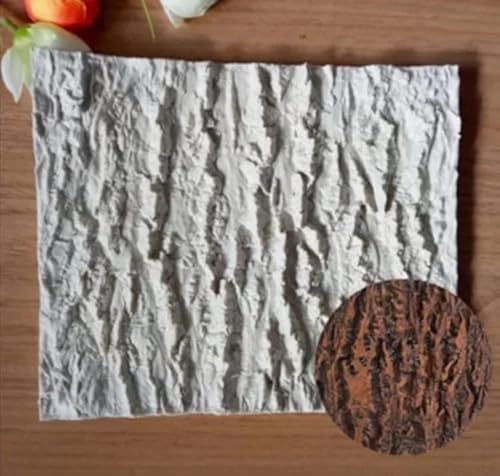
Best for realistic bark finishes on walls or columns, this 7.5″ x 6″ silicone stamp provides flexible, repeatable textures with easy release. It’s durable, reusable, and suitable for interior and exterior surfaces, including garden walls. A potential limitation is that very large areas may require combining multiple stamps to cover a wide wall smoothly; practice with overlap and alignment is recommended for seamless results.
Concrete Masonry Stone Stamp Set

Best for smaller projects and edge detailing, this SBC set includes two stamps (7.5″x5.5″ and 6″x5″) designed for vertical walls, countertops, and edge stamping. They help create pristine stone textures on concrete rocks, boulders, and counter edges. Better for precise edging work than broad surface coverage. A limitation is the inclusion of edge-focused uses, which may not suit large field stamping without additional patterns.
Crtiin Knockdown Texture Drywall Tools

Best for achieving knockdown textures on drywall, this set includes eight 8×8 inch plastic texture tools. They are designed for repairing or transforming wall surfaces with a modern, stippled finish that mimics stucco or plaster textures. The kit is suitable for DIY repairs and consistent texture application, though some users may find the plastic construction less durable for heavy, repeated use over time. Cleaning is straightforward and quick.
Buying Guide
- Texture type: Choose woodgrain, stone, bark, or knockdown textures based on the wall style you want to achieve. Woodgrain is ideal for accent walls; stone and bark textures suit rustic or natural decors.
- Stamp size and coverage: Larger stamps cover more area per pass, reducing project time but requiring flat, clean surfaces. Smaller stamps allow precise detailing on edges and features.
- Material and durability: Polyurethane stamps offer stiffness and wear resistance; silicone stamps provide flexibility for complex shapes and repeated use. Consider climate and surface hardness when choosing.
- Release and compatibility: Ensure you have a suitable release agent for concrete or plaster surfaces to prevent sticking. Some stamps are better suited for interior walls, others for exterior applications.
- Maintenance: Reusable stamps should be cleaned after each use. Look for stamps with simple cleaning methods to maintain texture clarity over time.
- Manufacturer guidance: Some items are handmade or come with usage notes. Expect variation in texture clarity and consider ordering multiples for consistency across large spaces.
FAQ
- What is the best stamp for large wall areas?
Large polyurethane or silicone stamps with broad footprints are best for covering big surfaces quickly. - Do I need a release agent for stamping concrete walls?
Yes, a release agent helps prevent sticking and preserves the texture details. - Can these stamps be used on interior and exterior walls?
Most are suitable for both, but always verify the stamp material and surface conditions before use. - Is silicone or polyurethane better for wall textures?
Polyurethane offers durability and shape memory; silicone provides flexibility for intricate patterns. - Are edge stamps useful for countertop or wall edges?
Edge stamps help create clean, consistent borders but may require additional stamps for full coverage. - How many passes are needed for a uniform texture?
Multiple passes with careful alignment typically yield the most uniform results, depending on stamp size and pattern.