Polyester high build primer is a staple for creating a smooth, even surface before paint. This guide highlights five top-rated options to match different repair needs and shop setups. The best pick depends on project scope, surface type, and preferred mixing ratios. For large, uneven panels, high-build options with strong fill are ideal; for fiberglass or SMC parts, compatible primers ensure good adhesion. The following selections are well-suited for automotive enthusiasts and pros seeking solid build, sanding ease, and reliable results. Below is a quick product summary to help compare features at a glance.
| Product | Best For | Key Benefit |
|---|---|---|
| Evercoat Feather Fill G2 32 Fl Oz | Small to medium repairs; fiberglass or SMC | Excellent foundation primer; easy sanding |
| Evercoat Feather Fill G2 128 Fl Oz (Gray) | Large panels; general automotive refinishing | High build with shrink-resistant formula |
| Evercoat Super Build 4:1 Polyester Primer Surfacer 128 Fl Oz | Heavy fills; versatile surfaces | Patented 4:1 mix ratio; easy sanding |
| Speedokote SS-2790G/SS-2790A Super Fill High Build Primer | High build, large areas | High build and fill performance |
| U-POL 1 Gallon High Solids High Build Urethane Primer Kit | Direct-to-metal and diverse substrates | High opacity and hiding power |
Evercoat Feather Fill G2 32 Fl Oz

Type: Polyester primer surfacer. Uses a high-build formulation designed for durable fill over metal, aluminum, fiberglass, and SMC. Features easy sanding with common grits and fast dry-to-sand time. Best for small to medium repairs where a reliable base is essential. Suitable for owners/users prioritizing a smooth, film-creating primer that carves down easily with standard finishing papers.
Best for: DIY enthusiasts repairing minor dents and patch-ups; shops handling fiberglass or SMC components. Reason for selection: strong foundational adhesion and manageable workability for common repair jobs. Limitation: may require multiple coats for heavy fills on very uneven surfaces.
Evercoat Feather Fill G2 128 Fl Oz (Gray)

Type: Polyester primer surfacer with large-volume format. Offers excellent foundation capabilities, smooth spraying, and shrink-resistant formula. Best for bigger projects or shop use where fewer mixes and longer working time matter. Best for: body shops and enthusiasts working on larger panels, including classic cars and trucks. Caution: ensure proper ventilation due to solvent content, and plan for longer cure times on thicker applications.
Evercoat Super Build 4:1 Polyester Primer Surfacer 128 Fl Oz

Type: Polyester primer surfacer with 4:1 mix ratio. Designed for exceptional filling and easy sanding across diverse substrates like aluminum and fiberglass. Best for: projects requiring a robust high-build layer with consistent hiding power. Why chosen: the 4:1 ratio can simplify mixing and optimize material usage. Limitation: needs accurate measuring of the 4:1 mix to maintain performance.
Speedokote SS-2790G/SS-2790A Super Fill High Build Primer
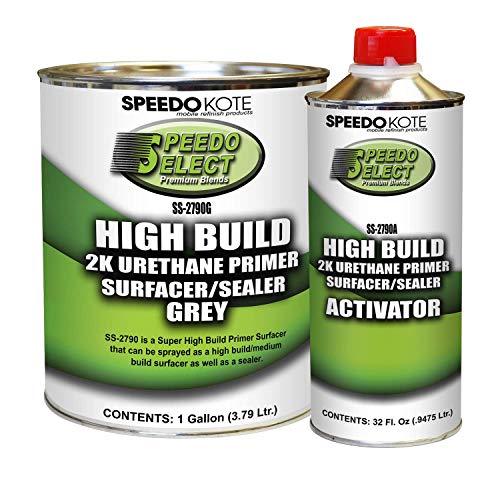
Type: High build primer with strong fill properties. Designed to cover imperfections and provide a solid base for subsequent coats. Best for: large surface repairs and vehicles with significant substrate irregularities. Why selected: combines high build with solid adhesion, helping minimize sanding on rough areas. Caution: ensure compatibility with the topcoat system and check activator requirements before use.
U-POL 1 Gallon High Solids High Build Urethane Primer Kit
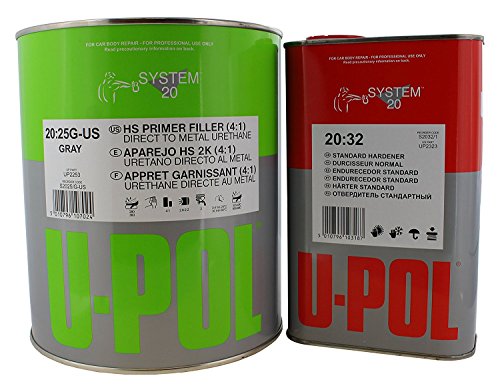
Type: European-style multi-function direct-to-metal primer with a 4 to 1 mixing ratio. Features high build, excellent opacity, and hiding power. Best for: users seeking a versatile primer compatible with various substrates, including metal and composite parts. Why chosen: strong hiding power aids coverage on challenging surfaces. Limitation: mixing ratio and cure behavior should be aligned with the chosen topcoat for optimal results.
Buying Guide
What is polyester high-build primer best for? It builds thickness quickly, fills minor dents, and provides a uniform base for final coats. When selecting, consider surface type (metal, fiberglass, aluminum, SMC), project size, and the desired mix ratio.
- Surface compatibility: Choose primers proven to bond with metal, composite, and fiberglass for your project type.
- Mixing ratio: Some products use 4:1 or similar ratios; ensure you have matching hardeners and follow manufacturer guidance.
- Sandability: For quicker finishes, select primers advertised as easy to sand with common grits (180-320).
- VOC compliance and safety: Verify local regulations and use in well-ventilated spaces.
- Topcoat compatibility: Confirm that the primer is designed to work with your intended topcoat system (single-stage, base coat/clear, or two-stage).
- Application environment: Consider temperature and humidity ranges recommended by the manufacturer to avoid pinholes or poor adhesion.
FAQ
- Q: What does “high build” mean in primers? A: It refers to a thicker layer that fills surface irregularities quickly, reducing body filler requirements.
- Q: Can I use fiberglass-specific primers on metal? A: Generally not ideal; use primers recommended for that substrate to ensure adhesion and curing.
- Q: Is a catalyst necessary for polyester primers? A: Some primers use a catalyst or hardener; follow the product’s mixing instructions for proper curing.
- Q: How should I sand high-build primers? A: Start with 180-220 grit, then progress to 320 grit for a smooth finish before base coat.
- Q: Are these primers VOC-compliant? A: Many modern formulations are VOC-compliant; verify in the product details and local regulations.
- Q: Should I spray in a well-ventilated area? A: Yes. Ventilation reduces fumes and improves curing quality.