Looking for powder coat candy colors that deliver high gloss, vivid depth, and durable daytime finish? This guide highlights five top picks that consistently produce striking candy hues on metal. Each option suits different projects and skill levels, from DIY home projects to automotive accents. Read on to compare best uses, limitations, and buyer-friendly tips to help you choose the right candy color coated powder for your next coating job.
| Product | Best For |
|---|---|
| Eye Candy Okinawa Blue Pigment | Aquatic-inspired blue with a greenish tint; ideal for resin, epoxy, and art projects. |
| Eye Candy Red Mica Powder – Baku Red | Vivid red tones for resin art, coatings, and decorative pieces. |
| Eastwood 6-Piece Color Kit | Experimenting with multiple candy-like shades; great for practice and color matching. |
| PRISMATIC POWDERS Candy Purple | High-gloss purple with blue undertones for showy accents on metal and automotive parts. |
| Candy Lime Green Powder Coating | Bright lime candy finish for bold exterior coatings on metal surfaces. |
Eye Candy Okinawa Blue Mica Powder – 50g

Best for resin crafts and epoxy projects that mimic sea tones. The Okinawa Blue pigment has a blue base with a subtle green shift, suitable for river tables, geode art, and other resin-based art. It’s also usable in soap and cosmetic-related applications when compatible. The pigment’s premium fineness helps it integrate into various media without clumping.
Who it’s best for: artists and crafters seeking a tranquil, beach-inspired blue that pops in resin and epoxy artworks. Why selected: strong color depth with a natural greenish undertone adds depth to candy finishes. Caution: ensure compatibility with non-resin systems if applying to non-traditional coatings.
Eye Candy Mica Pigment Powder Set B – 50g
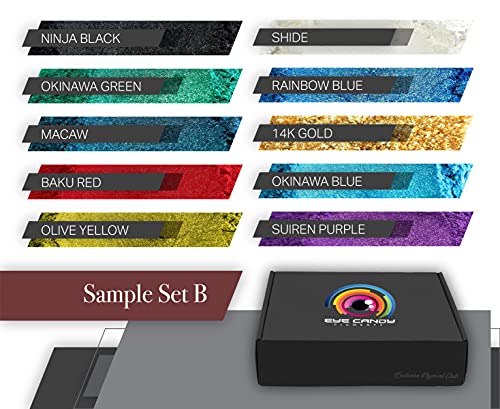
Best for creating custom blends in epoxy resin, clear coatings, and cosmetic-grade projects. This set includes multiple mica powders that mix well with resin, clear epoxy, and other mediums to produce unique candy effects. The powders are skin-safe for cosmetic use and can be used to craft vibrant, translucent color layers in resin art and jewelry components.
Who it’s best for: hobbyists and professionals who want to blend their own candy hues. Why selected: versatility to mix and match colors for personalized candy effects. Caution: color results depend on base resin and curing parameters; test small batches first.
Eastwood 6-Piece Candy Color Kit

Best for automotive and metal finishing professionals who want reliable, repeatable candy colors. This sampler provides translucent red, candy orange, translucent green, translucent blue, translucent violet, and sour apple green. It’s designed to deliver consistent color and quality across projects and is suitable for hotcoat powder processes on metal parts.
Who it’s best for: assemblers and finishers seeking a compact palette of candy-like shades for coatings. Why selected: non-recycled pigments help maintain color consistency. Caution: translucent shades can appear milder on certain alloys; test cure cycles for best result.
PRISMATIC POWDERS Candy Purple – 1 lb
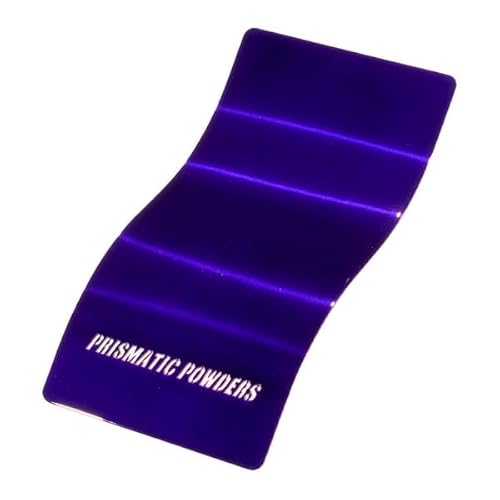
Candy Purple offers a deep, high-gloss purple with a hint of blue. It’s formulated as a polyester top coat for durable, high-gloss finishes on automotive parts and metal substrates. This powder is well-suited for showpieces, wheels, or panels that require a striking, chromatic candy layer.
Who it’s best for: professionals needing a durable, vibrant candy purple with a glossy finish. Why selected: high-gloss performance (85+ gloss units) and rich coloration. Caution: polyester coatings require proper curing and blasting for best adhesion; follow standard powder coating guidelines.
Candy Lime Green Powder Coating – 1 lb

Best for bold exterior accents and attention-grabbing hardware. This lime green candy color is designed for powder coating applications with durable gloss. It’s suitable for metal use, offering a vibrant finish ideal for automotive accents, bike frames, and signage. Note that cure schedules and substrate preparation impact the final brightness and depth.
Who it’s best for: project owners needing a bright, eye-catching green candy finish. Why selected: strong color punch and high-gloss potential. Caution: ensure proper surface preparation and recommended cure settings to achieve the candy effect consistently.
Buying Guide: Key Considerations For Candy Color Powder Coating
- Substrate compatibility: Verify if the pigment works with your base coat, resin, or metal substrate before application.
- Gloss and depth: Candy colors rely on layering and clear coats. Expect some variation based on clearcoat thickness and cure, especially on metal parts.
- Pigment fineness: Finer pigments generally mix more smoothly into resins and powders, reducing clumping and increasing color uniformity.
- Safety and skin contact: Some mica powders are cosmetic-grade; ensure you are using pigments appropriate for your medium and safety requirements.
- Color mixing: Many candy colors are enhanced by combining with complementary hues or through custom blends. Start with small test batches.
- Application method: Powder coating vs. epoxy resin or nail-friendly applications require different curing and handling, follow manufacturer guidelines.
- Durability and environment: Exterior metal parts may require UV-stable formulations and proper sealing to maintain candy depth over time.
Frequently Asked Questions
- What makes candy colors different from standard pigments?
Candy colors create a translucent, depth-filled look that shines through a clear topcoat, giving a jewel-like appearance. - Can I mix multiple candy colors in the same project?
Yes, many micas and candy powders blend well. Start with small batches to test color depth and undertones. - Are these pigments suitable for automotive coatings?
Several listed products are designed for epoxy, resin, or powder coat media and can suit automotive parts when used with compatible coatings. - Do candy colors require a clear topcoat?
Typically yes, as a clear topcoat enhances gloss and depth, but some pigments deliver strong color on their own with proper base layers. - Is there a risk of clumping when mixing mica pigments?
Proper dispersion and mixing practices reduce clumping; ensure consistent stirring and use recommended thinning agents when applicable. - How do I test color accuracy before committing to a full coating?
Prepare small test panels or resin samples to observe curing behavior, depth, and gloss under expected lighting conditions.