When you need to remove paint efficiently, choosing the right scraper can save time and protect surfaces. This guide highlights five reliable options and who each tool is best for, from DIY enthusiasts to pro remodelers. Read on to compare blade material, grip comfort, and versatility to find the best fit for your project and budget.
Summary table of selected products:
| Product | Brand | Best For | Key Benefit |
|---|---|---|---|
| Bates Paint Scraper, 10 in 1 | Bates Choice | General household scraping | Versatile 10-in-1 tool with wood grip |
| Premium Ergonomic Carbide Scraper | Holdly | Stubborn finishes | Carbide blade for durability |
| Rerdeim 5Pcs Putty Knife Set | Rerdeim | Drywall and wallpaper work | Rust-resistant stainless steel |
| DIYSELF Razor Blade Scraper | DIYSELF | Stubborn paint and stickers | Built-in blade storage, 15 blades |
| DEWALT 9-in-1 Painter’s Tool | DEWALT | Multi-tool needs | Multiple functions in one tool |
Bates Paint Scraper, 10 in 1 Painters Tool
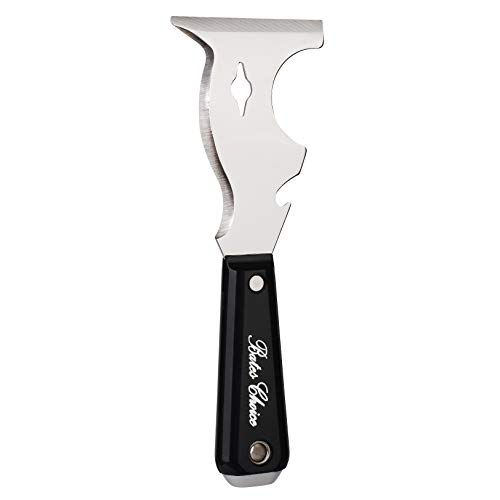
This tool is best for homeowners tackling a range of tasks. It combines 10 functions in one handle, making it suitable for scraping paint, removing putty, and working with vinyl or wallpaper. The rust-resistant steel blade with a wood grip offers a comfortable, secure hold during extended use. Ideal for versatile, light to moderate jobs around the house.
Best for: general home projects where a single tool needs to perform multiple tasks. Limitations: the blade material is durable but may not match professional-grade carbide blades for heavy, dense coatings.
Premium Ergonomic Carbide Scraper, 2-1/2″

Best for heavy-duty finishes, this carbide scraper is designed to remove varnish, paint, glue, resin, and other tough coatings with less effort. Its ergonomic handle features a non-slip texture and robust construction to reduce hand fatigue during long work sessions. The blade’s sharpness and corrosion resistance extend tool life, though care is required to avoid gouging delicate substrates.
Best for: larger refinishing jobs or surfaces with multiple layers of paint. Caution: carbide blades are extremely sharp; use protective gloves and steady control to prevent damage to underlying material.
Rerdeim 5Pcs Putty Knife Set

This set excels for drywall and wallpaper-related work. The five knives come in varying widths to cover different reliefs, making it a good choice for patching, plaster scraping, and removing wallpaper adhesive. The stainless steel blades resist rust, and the soft grip reduces hand strain during longer projects. Better for precision tasks and patchwork than heavy coating removal.
Best for: drywall repair and wallpaper removal. Limitation: not optimized for dense, heavy-duty paint removal on old wooden surfaces.
DIYSELF Razor Blade Scraper with 15 Extra Blades

Best for fast, precise cleaning and paint removal on hard-to-reach spots. This plastic razor scraper includes blade storage and 15 extra SK5 blades, enabling quick blade swaps without downtime. The non-slip rubber handle provides control during glass, stovetop, and window work. Choose this for versatility and built-in blade management.
Caution: spare blades are sharp; handle with care during changes and storage to prevent injuries.
DEWALT 9-in-1 Painter’s Tool

This is a strong pick for professionals needing a multi-tool capable of straight and curved scraping, gouging, roller cleaning, can and bottle opening, nail pulling, screwdriver, and a hammer function. The carbon steel blade offers good durability, while the soft-grip handle reduces fatigue. Care is needed to prevent rust, and it is best for metal and sturdy surfaces rather than delicate materials.
Best for: tradespeople or serious DIYers seeking a single robust tool for multiple tasks. Limitation: rust potential if not cared for properly; store dry after use.
Wanguan Razor Blade Scraper with Blades

Best for floor and surface cleaning with spare blades included. The kit features a 4-inch floor scraper and 20 extra blades with safety gloves. Its sturdy aluminum alloy support minimizes blade wobble, improving accuracy. Ideal for tile, glass, and stove-top cleanup, but blade exchanges require care to avoid injuries.
Best for: quick blade changes and versatile scraper use on multiple surfaces. Limitation: 4-inch blade size may be limiting for larger areas without swapping blades.
Smafixt Putty Knife Scraper Set

This two-piece set covers common putty and plaster tasks with 2-inch and 4-inch blades. The stainless steel blades resist corrosion and are easy to clean, making this a solid option for drywall patching, wall scraping, and light coating removal. Choose this for compact kits and efficient small-area work.
Best for: quick, targeted patches and maintenance jobs. Limitation: not ideal for heavy paint removal on large surfaces.
Buying Guide: Key Considerations for Selecting a Paint Scraper
- Blade material: Carbide blades stay sharp longer and resist wear; stainless steel blades resist rust but may dull faster.
- Handle comfort: Look for a non-slip grip and balanced weight to reduce fatigue on extended projects.
- Tool versatility: Multi-tools save space and money for light to medium tasks; single-purpose scrapers may offer specialized performance.
- Surface care: Some blades can gouge soft woods or delicate finishes; choose accordingly to protect substrates.
- Blade accessibility: Built-in blade storage or included extra blades reduce downtime between tasks.
- Size and reach: Larger blades cover more area; smaller blades are better for intricate work or tight corners.
FAQ
- What type of scraper is best for removing old paint from wood?
– A high-carbon or carbide blade scraper with a comfortable grip is typically best for wood, providing durability and control for scraping through multiple layers. - Are multi-tool painters’ tools worth it for DIY projects?
– Yes, for users who need a single tool to perform several functions, they can save space and simplify tasks like scraping, gouging, and cleaning can openers. - Can I use metal scrapers on delicate surfaces?
– Avoid metal scrapers on soft woods or finished surfaces; use plastic or nylon options to minimize damage and chipping. - How do I prevent rust on blades?
– Dry blades after use, store in a dry place, and consider rust-resistant materials like stainless steel or coated blades for longevity. - Is a curved or straight scraper better?
– Curved scrapers excel at scraping rounded edges and concave surfaces, while straight scrapers are versatile for flat areas and precise edges. - Should I buy extra blades separately?
– If the project involves extensive scraping, having spare blades ensures uninterrupted work and helps maintain sharpness for cleaner removal.