Shellac oil-based primers block stains, odors, and tannins effectively, making them a top choice for challenging surfaces. This guide highlights five dependable options, explaining who each product is best for, plus practical cautions. Whether you’re priming a kitchen cabinet, a knotty pine ceiling, or a painted wall with lingering odors, these primers are selected to balance sealing power with ease of use. The included summary table helps compare key traits at a glance. Buyers will find options ranging from classic shellac bases to modern synthetic shellac blends for interior and exterior tasks.
Summary of selected products
| Product | Best For | Key Benefit |
|---|---|---|
| Zinsser BIN Shellac-Base Primer-Sealer | Heavy stains, knots, interior | Superior stain blocking and odor sealing |
| Zinsser Clear Shellac | Odor blocking on wood, plaster, drywall | All-natural, non-toxic finish |
| Zinsser 3608 Cover Stain Oil Base Primer Spray | Large interior/exterior surfaces | Great adhesion, no sanding needed |
| RUST-OLEUM 1 qt Zinsser 271009 White Zinsser, B-I-N Advanced Synthetic Shellac Primer | Stains and odors, white base | Advanced synthetic shellac with strong sealing |
| Rust-Oleum 270976 Advanced Synthetic Shellac Primer, 1-Gallon | Large projects | Same protection in gallon size |
Zinsser BIN Shellac-Base Primer-Sealer in White

Features from the product listing include shellac-base blocking and sealing of odors and stains, with the emphasis on permanency for stubborn blemishes. Best for interiors where water stains, smoke, or resin bleed would otherwise show through. This product is selected for buyers who need reliable, long-lasting stain blocking in tight spaces or on knotty wood. A potential limitation is odor during application, and ventilation is advised.
Who this is best for: Homeowners or DIYers dealing with tough stains, odors, or knot issues on interior surfaces. Choose this when maximum stain blocking is the priority and you want a proven shellac-based solution.
Tip: Open windows or use a respirator during application; allow proper drying time for best results.
Zinsser Clear Shellac
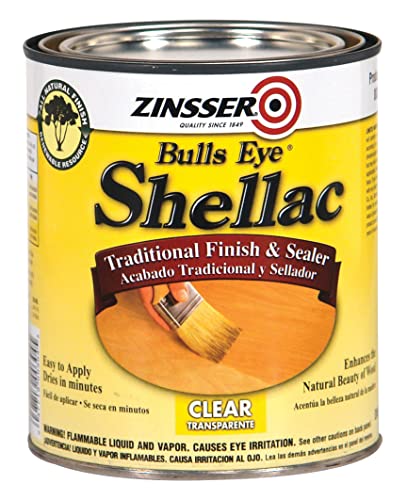
Clear Shellac offers an all-natural, non-toxic sealer that blocks odors in wood, plaster, drywall, and masonry. It provides a traditional shellac finish while avoiding heavy or opaque coatings. This pick is ideal for projects where a clear finish is needed to preserve wood grain beneath a sealer layer. Limitation: may require multiple coats on very stubborn odors or stains, and surface compatibility should be checked before use.
Who this is best for: Those needing odor blocking without adding color or a heavy seal, such as light-colored woods, plaster repairs, or antique furniture refinishing. Best for preserving natural look while sealing.
Choose this if: you want a natural, non-toxic option for odor control with a clear finish.
Zinsser 3608 Cover Stain Oil Base Primer Spray

This spray primer delivers “ultimate hiding power” indoors and outdoors, seals surfaces, blocks stains, and adheres well without sanding. It’s best for large areas or projects where spray application saves time and effort. A limitation is that spray products may require careful ventilation and proper masking of surrounding areas to avoid overspray.
Who this is best for: DIY projects with large surface areas or where spraying is preferred for speed. Choose this when you need strong stain blocking with minimal surface preparation.
RUST-OLEUM 1 qt Zinsser 271009 White Zinsser, B-I-N Advanced Synthetic Shellac Primer

This advanced synthetic shellac primer combines traditional shellac sealing with modern synthetic durability, offering superior odor sealing and high hiding power on bright white bases. Best for interior surfaces prone to heavy staining or odor issues, including basements or kitchens. Caution: ensure proper ventilation and follow curing times for the best finish. It’s a compact option for smaller jobs where a white, solid seal is desired.
Rust-Oleum 270976 Advanced Synthetic Shellac Primer, 1-Gallon

This gallon-size option mirrors the 1-quart variant’s benefits but covers larger areas, providing superior odor sealing and stain blocking with a high hiding white finish. Best for bigger projects or ongoing renovation work where a consistent shellac-based seal is needed across multiple rooms. A limitation is handling and storage of a larger can, which may require more space and proper labeling.
Buying Guide: Key Considerations For Shellac Oil Based Primers
What’s the difference between traditional shellac primers and synthetic shellac options? Traditional shellac bases like BIN are excellent for blocking tough stains and odors but can be more sensitive to moisture and require good ventilation. Synthetic shellac primers blend shellac with modern resins to improve cure times and adhesion on challenging substrates while maintaining stain blocking.
When should you choose a spray primer versus a liquid can? Sprays provide fast coverage on large areas or intricate surfaces but need masking and careful spraying. Liquid primers offer control on edges and can be brushed or rolled for precise coating. For small projects with tight corners, a spray can model can save time; for boards or trim, a brush-on approach gives more control.
Consider surface compatibility and odor control needs. For knotty wood, smoke damage, or water stains, prioritize high-seal primers like BIN or advanced synthetic shellac. If you require a clear finish to preserve wood grain, Clear Shellac is a better fit, though it may require more coats for stubborn odors.
Application environment matters. Ventilation, surface temperature, and drying times influence results. Follow product-specific directions for recoat windows and dry times. For exterior or humid areas, choose products rated for outdoor use or with enhanced moisture resistance where applicable.
Storage and size considerations. For small projects, quart or gallon sizes are practical. For ongoing or multi-room jobs, a gallon option reduces the need for frequent purchases. Always store cans upright and sealed to maintain potency and extend shelf life.
FAQ: Quick Answers For Buyers
- What is shellac-based primer best at blocking? It’s best at blocking ink, smoke odors, resin, and water stains that bleed through other primers.
- Is a spray shellac primer as effective as a liquid? Yes, for large areas and quick coverage, but it requires masking and ventilation to manage overspray.
- Can I use these on exterior surfaces? Some products are suitable for interior and spot exterior use; check the label for outdoor readiness before applying.
- Will shellac primer affect the wood grain? Clear shellac preserves wood grain; white or tinted primers may hide it more.
- Do I need to sand between coats? Many shellac-based primers require little to no sanding between coats, but follow the product’s instructions for best results.
- How long does it take to dry? Drying times vary by product and conditions; refer to the specific product data for precise timings.