Answering the need for a compact, easy-to-handle buffer polisher, this guide highlights five small electric buffers ideal for beginners and experienced detailers alike. The top picks are best for quick scratch removal, swirl-free finishing, and tight-space polishing on cars, boats, or furniture. Each option suits a different user profile—from DIY weekend detailers to professionals seeking cordless convenience. Below is a quick table of the chosen products to help you compare at a glance.
| Product | Best For | Power Type | Key Benefit |
|---|---|---|---|
| WEN 6010 6-Inch Waxer/Polisher | Budget-friendly starters | Wired | Consistent 3500 rpm with ergonomic grip |
| Niusken Cordless Car Buffer Polisher Kit | Cordless convenience for beginners | Cordless | Six speeds, dual batteries, LED display |
| AOBEN Car Buffer Polisher | Versatile DIY polishing | Wired | Six speeds, detachable handle for comfort |
| Fanttik P10 Pro Mini Car Buffer Polisher | Detailing tight spots | Cordless | Ultra-light, 2-3 inch pads, long runtime |
| Avhrit Cordless Car Buffer Polisher Kit | All-around cordless kit | Cordless | Six speeds with extra attachments |
WEN 6010 6-Inch Waxer/Polisher
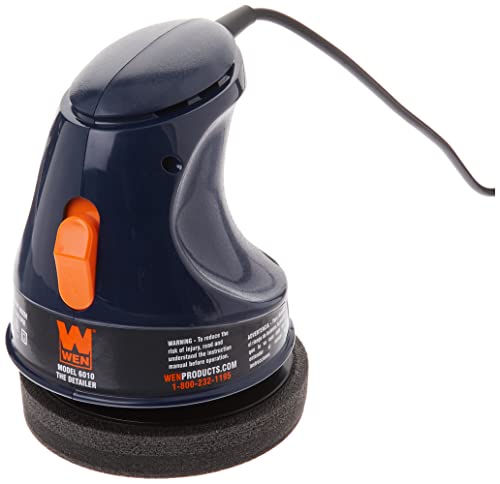
The WEN 6010 is a compact, wired polisher with a 120 V, 0.5 amp permanent magnet motor that delivers up to 3500 rpm. Its ergonomically contoured palm grip and body grip are designed for comfortable use with one or two hands. Best for entry-level detailers who want straightforward operation and reliable performance. A potential limitation is its fixed cord, which may restrict mobility in larger workspaces. This model suits small-scale polishing tasks, wax application, and light scratch removal on well-prepped surfaces.
Niusken Cordless Car Buffer Polisher Kit

This cordless buffer features six speeds (2800–5800 RPM) with an LED display to show current speed and battery level. It ships with two 21V 2000mAh batteries and a fast charger, making it ideal for detailers who need mobility and extended sessions without constantly recharging. It is best for beginners or pros seeking a cable-free setup. A caveat is that the battery system is not compatible with DeWalt batteries, so mixed-tool ecosystems should be avoided. Use this for wax, polishing, and light scratch removal, especially on smaller vehicles or panels.
AOBEN Car Buffer Polisher
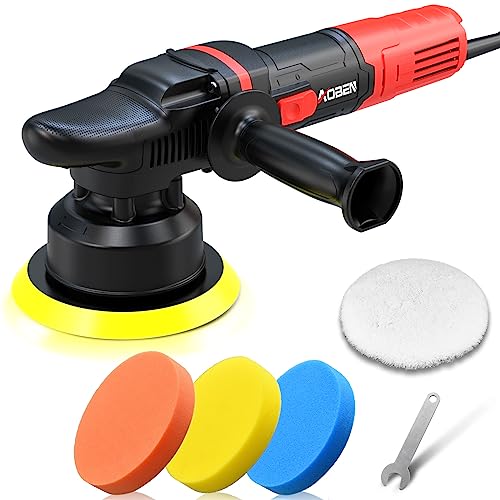
The AOBEN polisher offers 6 speeds from 1000 to 4500 rpm with a dual-action random orbital motion. It includes three foam discs and a synthetic wool disc, covering waxing, polishing, sealing, and cleaning. Best for car lovers who want a versatile kit in one package and are comfortable adjusting speeds for different tasks. A limitation is that higher speeds require attention to operator pressure to prevent stopping or stalling under heavy load; lighten pressure at lower speeds for best results.
Fanttik P10 Pro Mini Car Buffer Polisher

The Fanttik P10 Pro Mini is a compact, cordless polisher weighing about 0.78 pounds, designed for tight spots such as sideview mirrors and badges. It uses a planetary gear system to minimize noise (as low as 65 dB) and provides up to 50 minutes of runtime on a 4000 mAh battery with Type-C charging. Best for detailers who need precision in narrow areas. It may be less suited for large surface panels due to its small size and limited pad surface area.
Avhrit Cordless Car Buffer Polisher Kit

The Avhrit cordless kit combines a 300W copper motor with an 8 mm random orbit and six speed settings (2500–6000 RPM). This kit emphasizes efficiency in removing swirls and finishing quickly, with extra attachments included for polishing, waxing, and cleaning. It’s best for users seeking a powerful cordless option with a broad speed range. A caution is that higher speeds demand careful control to avoid operator fatigue over longer sessions.
Buying Guide
What to consider when choosing a small electric buffer polisher?
- Power source: Corded models provide consistent power, while cordless models offer mobility. If you work in a dedicated shop, a corded unit may be simpler. For on-the-go detailing, a cordless kit is advantageous.
- Orbit and speed range: A dual-action (DA) or random orbital motion reduces swirls. Look for 1000–4500 RPM ranges for versatile polishing, waxing, and scratch removal.
- Weight and ergonomics: A lighter polisher with a comfortable grip reduces fatigue during extended sessions. Consider models with interchangeable handles for better control.
- Discs and attachments: A kit with multiple foam and wool pads adds flexibility for wax, polish, and sealing tasks. Check compatibility with common backing plates (25–80 mm in miniature options).
- Cooling and protection: Overheating can degrade results. Features like heat-insulation shells and automatic protection are beneficial for longer sessions.
- Battery life and charging: For cordless tools, battery capacity (mAh) and charging speed Einfluss runtime. Having a spare battery helps maintain momentum on larger jobs.
Practical tips by use case
- Beginners: Start with a 1,000–3,000 RPM range and a basic kit with safety instructions. Practice on a hidden panel first to learn control and pressure.
- Small spot work: Choose smaller, 2–3 inch pads for tight areas and badges, such as the Fanttik P10 Pro Mini.
- All-around detailing: A six-speed, dual-action polisher with extra pads (like Avhrit or AOBEN) provides flexibility for different surfaces and finishes.
- Cordless convenience: For frequent moves around a vehicle or multiple jobs, Niusken or Avhrit offer longer runtimes with dual batteries.
FAQ
- What is a DA (dual-action) polisher? The action combines two motions to reduce swirls and deliver a smoother finish.
- Is a cordless polisher as powerful as a corded one? Cordless varieties trade some continuous power for convenience; they’re suitable for smaller jobs and mobile work.
- Can I use regular household polish with these buffers? Use products formulated for automotive polishing to avoid damage and ensure proper finishes.
- What safety precautions are needed? Wear eye protection, and avoid excessive pressure; let the pad do the work to prevent pad or paint damage.
- Do I need different pads for wax vs polish? Yes. Use soft foam pads for waxing and firmer pads or wool pads for removing oxidation or paint defects.
- How should I maintain the polisher? Clean pads, inspect backing plates, and store with power disconnected to extend life.