Choosing the right solder for speaker wire ensures durable, noise-free connections and long-lasting performance in home audio setups. For most DIY projects, a flux-core tin-lead alloy (63/37) provides smooth flow and reliable joints, while lead-free options meet safety and environmental standards. This guide reviews five popular solders and a solder-seal kit that are well-suited for speaker wiring, emphasizing ease of use, good copper wetting, and compatibility with common insulation gauges. Each pick balances accessibility, performance, and practicality for everyday audio installations.
| Product | Brand | Why It Fits Speaker Wire |
|---|---|---|
| MAIYUM 63-37 Tin Lead Rosin Core Solder Wire 0.8mm | MAIYUM | Compact 0.8 mm reel with rosin core flux for clean copper wetting. |
| Twocorn 63/37 Solder Wire 0.8mm 50g | twocorn | Low melting 63/37 alloy with rosin flux for quick, tidy joints. |
| TOWOT 63-37 Solder Wire 1.0mm 50g | TOWOT | Thicker option ideal for heavier gauge speaker wires and robust connections. |
| E ENERSYSTEC Lead-Free Solder Wire 0.8mm | E ENERSYSTEC | Lead-free Sn99 Ag0.3 Cu0.7 with good flow and RoHS compliance. |
| Kuject Heat Shrink Solder Seal Wire Connectors Kit 120PCS | Kuject | Solder-seal, heat-shrink connectors offer a solderless alternative in tight or outdoor spaces. |
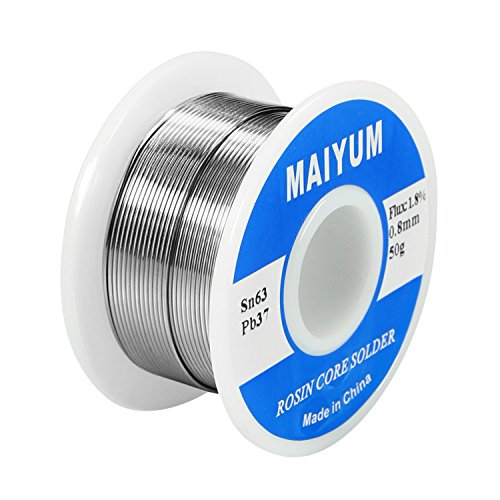
MAIYUM 63-37 Tin Lead Rosin Core Solder Wire 0.8mm
MAIYUM’s 63-37 tin-lead solder wire is a compact, easy-to-use option for speaker wire work. The alloy Tin 63% / Lead 37% (Sn63 Pb37) is eutectic, melting at a single temperature with minimal pasty stage, delivering smooth flow into stranded copper conductors. The rosin core flux content of about 1.8% helps remove oxides and improve wetting for clean, reliable joints. With a diameter of 0.8 mm and a 50 g reel, this solder is well suited to hobby electronics and audio projects where precision matters but heat should be controlled to protect insulation.
Practical tips for speaker wire include pre-tinning copper strands, avoiding excessive heat that can soften insulation, and keeping the soldering iron temperature in the 320–370°C range for this alloy. The 0.8 mm diameter offers a balance between control and deposition on 18–22 AWG speaker wires. Store the reel in a dry place to preserve flux effectiveness. While it is lead-containing, this solder remains a popular choice for DIY audio builds where fast wetting and strong joints are a priority.
Twocorn 63/37 Solder Wire 0.8mm 50g
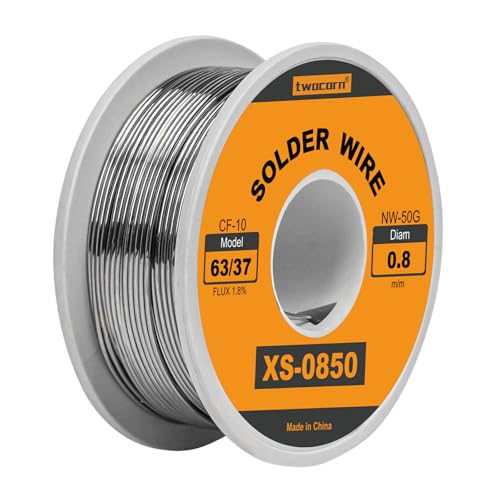
Twocorn’s 63/37 solder wire emphasizes dependable wetting with a 0.8 mm diameter and a 50 g reel. The 1.8% flux content supports oxidation clearance and reliable copper wetting, delivering a strong joint on stranded speaker cables. The alloy’s eutectic composition means a clean, quick melt with minimal cold joints, which translates to smoother long runs on speaker installations where a tidy finish matters. This option is well-suited for hobbyists who value predictable performance and straightforward handling in a compact package.
Usage guidance mirrors standard practice: pre-tin the wire, apply heat with a steady motion, and avoid overheating insulation. The 0.8 mm size works well for most common speaker wire gauges; the 50 g supply is enough for multiple projects. If you’re sensitive to lead, consider lead-free alternatives, but for many home audio builds, the proven flow of 63/37 solder remains a reliable choice.
TOWOT 63-37 Solder Wire 1.0mm 50g

TOWOT offers a 1.0 mm diameter solder wire with the same Sn63 Pb37 alloy and a 1.8% flux core, packaged in a 50 g reel. The thicker wire provides a robust option for heavier speaker wires or when a larger solder bead is desirable to secure connectors or spade terminals. The eutectic alloy ensures fast melting with minimal phase change, aiding quick, reliable joints. This size is particularly useful for thicker stranded conductors or when filling small gaps in tight spaces where more solder is required to create a solid seal.
To optimize results, strip insulation cleanly, pre-tin the copper strands, and maintain moderate heat to protect insulation. A 1.0 mm solder bead deposited with a controlled hand is less likely to bridge adjacent windings or create unintended solder bridges in tight bundles. This choice balances deposition rate with control for larger gauge speaker wires and terminal connections.
E ENERSYSTEC Lead-Free Solder Wire 0.8mm

E ENERSYSTEC presents a lead-free option with 0.8 mm diameter, using Sn99 Ag0.3 Cu0.7 composition. The flux core helps promote good wetting and reliable joints while remaining RoHS compliant. The 100 g reel provides ample supply for several audio projects, making it suitable for hobbyists and enthusiasts who prefer environmentally friendlier solders without sacrificing performance. The presence of silver (Ag) improves conductivity and joint strength in electronics and audio connections, which can translate to more stable, repeatable results across multiple installs.
Lead-free alloys typically require careful temperature control: use a temperature-regulated iron and avoid excessive heat that can damage insulation. For speaker applications, this solder choice offers a modern alternative to traditional leaded alloys, balancing performance with safety considerations. If you’re assembling in a home theater setup or workshop, Sn99 Ag0.3 Cu0.7 provides reliable wetting and robust joints while aligning with RoHS preferences.
Kuject Heat Shrink Solder Seal Wire Connectors Kit 120PCS
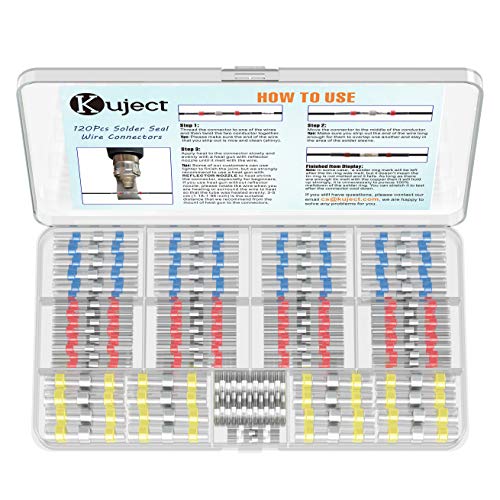
Kuject’s Heat Shrink Solder Seal Wire Connectors Kit provides a solderless alternative for speaker wiring in tight spaces or outdoor installations. The kit uses solder-seal technology with two hot-melt adhesive rings to create a water-resistant joint when heated with a heat gun. It eliminates the need for crimping tools and reduces moisture ingress, making it a practical option for marine or vehicle speaker runs where weatherproofing is essential. While not a traditional solder wire, these connectors complement soldered joints by providing robust insulation and sealing in challenging environments.
With 120 pieces in the kit, you can cover a broad range of wire sizes and configurations. When using these connectors, apply heat evenly and reach the full seal to ensure moisture resistance. For audio projects inside homes or studios, consider pairing them with a small amount of solder at the terminal points to maximize both conductivity and durability, while satisfying environmental considerations for outdoor or humid spaces.
Buying Guide
Key purchase considerations help compare solders and alternatives for speaker wiring. Below are practical factors to weigh when selecting a product for your next install.
- Solder type and composition
- Leaded vs. lead-free: Leaded solders (like Sn63 Pb37) offer excellent wetting and lower melting points, which can simplify installing thin or fragile speaker wires. Lead-free alloys (such as Sn99 Ag0.3 Cu0.7) meet RoHS standards but may require slightly higher temperatures and can behave differently on older insulation.
- Alloy eutectic behavior: 63/37 is eutectic, melting at a single temperature with minimal pasty stage—great for clean joints and quick work. Other ratios (60/40) have a melting range that can be more forgiving but may require more heat control.
- Rosin-core flux (around 1.8%) is common and helps oxide removal for better wetting. Higher flux content can improve flow but may require more cleaning in sensitive assemblies; lead-free versions may use different flux formulations.
In practice, the best choice depends on your project specifics: the wire gauge, the environment (indoors vs. outdoors), and your comfort with heat management. For most home theater builds around 18–22 AWG speaker wire, a 0.8 mm leaded eutectic solder with rosin core provides reliable joints and straightforward work. In outdoor or marine settings, solder-seal connectors can offer superior moisture resistance without exposing insulation to prolonged heat. For electronics that require RoHS compliance, lead-free alloys like Sn99 Ag0.3 Cu0.7 are effective options, though you may need to adjust your technique slightly to optimize wetting and flow.