When choosing sticky-back sandpaper rolls, look for durable backing, easy-to-use PSA adhesive, and a versatile grit range that covers rough shaping to fine polishing. This guide highlights top options that balance longevity and value for automotive, woodworking, and DIY tasks. The featured picks are best for hobbyists needing quick changes, professionals seeking consistent results, and those who work on both wet and dry sanding.
| Product | Grit Range | Best For | Why It Stands Out |
|---|---|---|---|
| SACKORANGE Total 30 Yards | 80–400 | Automotive & wood projects | Durable gold fused alumina with a wear-resistant cloth back; long continuous rolls with PSA backing |
| Toromp Total 20 Yards | 80–320 | Rough shaping to fine finishing | High-quality material, versatile wet/dry use, easy to cut to size |
| Dura-Gold Premium 80 Grit | 80 | Auto body & rough shaping | Premium aluminum oxide blend, long-lasting sharp cut, clean removal |
| Dura-Gold Premium 320 Grit | 320 | Fine finishing & color sanding | Finest grit in this set with longboard format and adhesive backing |
| Shawya PSA 80 Grit | 80 | Woodworking & prep work | Anti-static, wear-resistant coating, long continuous roll for easy trimming |
SACKORANGE Total 30 Yards 2-3/4″ Wide PSA Continuous Roll Kit
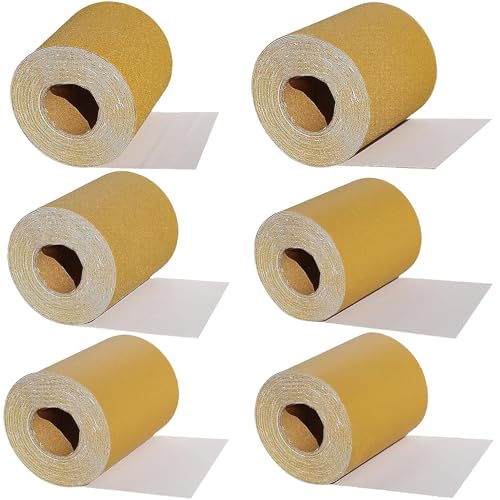
Grit range includes 80, 120, 180, 220, 320, and 400, with a 5-yard length per roll totaling 30 yards. This setup is ideal for projects requiring a sequence of grits without changing rolls. Best for hobbyists who do auto body prep, woodworking shaping, and intermediate polishing. The PSA backing simplifies installation and removal, reducing waste and mess. Users should be aware that long rolls can be bulky to store and may require careful cutting for exact patching on irregular shapes.
Toromp Total 20 Yards Long Continuous Roll Kit

Includes 80, 120, 220, and 320 grit across five-yard rolls for a total of 20 yards. This kit emphasizes versatility with wet and dry sanding capabilities and a robust cloth-backed backing. Best for hand-sanding blocks and small to medium projects where you need to switch grits quickly. Caution: cut lines and trimming require sharp scissors or a utility knife to avoid tearing the roll.
Dura-Gold Premium Gold 80 Grit PSA Longboard Sandpaper
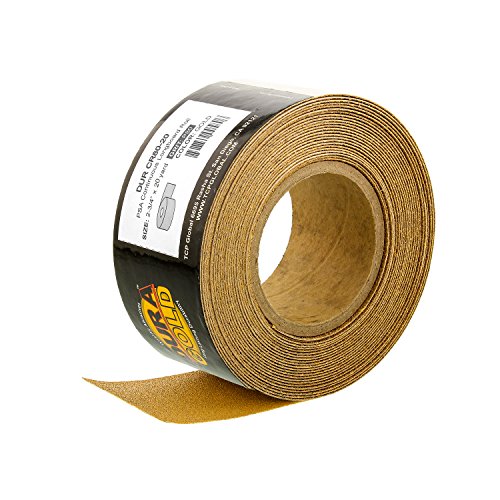
80 grit, 2-3/4″ wide, 20-yard continuous roll with premium PSA. The blend uses aluminum oxide fused with zirconia for a fast, long-lasting cut and clog resistance. Best for heavy auto body work, rough shaping, and initial material removal. Choose this if you need aggressive material removal with a reliable adhesive that minimizes residue. Limitation: may be too coarse for fine finishing on delicate surfaces.
Dura-Gold Premium Gold 320 Grit PSA Longboard Sandpaper

320 grit option suited for very fine finishing and color sanding. The longboard roll maintains a smooth cut with adhesive backing that trims to length. Best for automotive paint finishing and fine woodworking. Better for projects where a polished final surface is required. Limitation: less aggressive than lower grits for initial material removal, so pairing with a coarser grit is often necessary.
Shawya PSA Sandpaper Roll 80 Grit

80 grit roll in a 20-yard continuous length. The coating is designed for anti-static properties with wear-resistant characteristics to prevent clogging. Best for heavy material removal in auto body prep or rough woodworking. Choose this when you need rapid material removal and a long-lasting abrasive. Limitation: lower grit means more material removal and potential surface gouging if not controlled.
Buying Guide
Key considerations when choosing sticky-back sandpaper rolls:
- Backing and durability: A cloth-backed, gold fused aluminum oxide paper offers longevity and reduces tearing. This helps maintain a consistent cut over long sanding sessions.
- Grit range and progression: A broad set (e.g., 80–400) allows you to carry out rough shaping, intermediate leveling, and fine finishing without switching sheets. Plan the progression for your typical project workflow.
- PSA effectiveness: A strong but residue-free adhesive backing makes changes quick and clean. Ensure the backing stays attached during use and peels off cleanly when replaced.
- Roll size and cutting: Five-yard rolls enable precise trimming for sanding blocks or hand sanding. Consider storage space and how easily you can cut to fit irregular shapes.
- Wet and dry capability: Some rolls are suitable for both wet and dry sanding, which broadens their utility and reduces grit clogging in metal and hard woods.
- Application fit: Auto body prep often requires coarser grits for shaping and finer grits for finishing, while woodworking benefits from a similar progression but often emphasizes wood grain finishing.
Frequently Asked Questions
- What is sticky-back sandpaper good for?
- Can I use wet sanding with PSA rolls?
- Which grit should I start with for auto body work?
- Are longer rolls better than individual sheets?
- What should I consider for storage?
- Is the adhesive strong enough for power sanders?
Sticky-back sandpaper uses PSA backing to attach to sanding blocks orers, enabling quick grit changes and reducing residue buildup during sanding.
Yes, many PSA rolls are designed for both wet and dry use, helping cool the surface and reduce dust while extending paper life.
Begin with a coarser grit such as 80 or 120 for shaping, then progress to 180, 220, and 320 for smoothing and polishing.
Long rolls reduce the frequency of changing sheets and minimize waste, especially for block sanding. They also simplify cutting to size for hand sanding.
Keep rolls in a dry, cool place away from direct sunlight to prevent adhesive degradation and grit changes that could affect performance.
PSA backing is designed for both hand and machine sanding, but ensure you match grit to the task and monitor adhesive wear on larger power tools.