When drilling or mounting heavy objects on plaster walls, locating studs is essential for safety and long-term mounting strength. Plaster walls can hide lumber behind multiple layers, so choosing a stud finder designed to handle plaster, lath, and dense wall constructs matters. The following selections are aimed at delivering reliable detection through plaster, drywall, OSB, and older builds, with features like multiple detection modes, live wire alerts, and clear visual indicators to help you work efficiently and avoid costly repairs.
The table below highlights five carefully chosen models that perform well on plaster walls, covering diverse detection approaches—from multi-sensor electronic scans to dependable magnetic options. Each entry lists a primary strength to help you compare quickly.
| Product | Brand | Main Strength | Detection Type | Link |
|---|---|---|---|---|
| ProSensor MAX Stud Finder | Franklin Sensors | 13 sensors for high accuracy | Electronic stud detection through plaster | View |
| Prosensor M210 Stud Finder | Franklin Sensors | 13 sensors with live wire detection | Electronic detection with live wire meter | View |
| Zircon MultiScanner A250 | Zircon | Auto-correcting technology for fewer false positives | Wood, metal, rebar, and live AC wires | View |
| StudPoP Original Magnetic | StudPoP | No batteries or calibration; excels on plaster | Magnetic pointing with visual indicator | View |
| Meapro 5-in-1 Stud Finder | Meapro | Multiple scanning modes for plaster and pipes | Wood, metal, joists, pipes, and live wires | View |
Below, five detailed product sections explain how each tool can help with plaster walls, including visible features and practical use cases. Each section stays focused on clarity and objective guidance for safe mounting projects.
ProSensor MAX: High-Accuracy Plaster Wall Scanning

The Franklin ProSensor MAX uses 13 sensors to deliver precise center and edge detection of studs, which is particularly valuable on plaster walls that may have multiple layers. Its 2 1/2″ detection depth helps identify studs behind plaster, lath, and additional sheathing. The device features dual detection modes: a standard mode for typical walls and a specialized mode for plaster walls with multiple layers, OSB, or tile. There is no calibration required—just press and scan, and LEDs clearly indicate the stud location. This model is well-suited when accurate spacing and avoiding false positives are priorities on older construction.
ProSensor M210: Comprehensive Detection
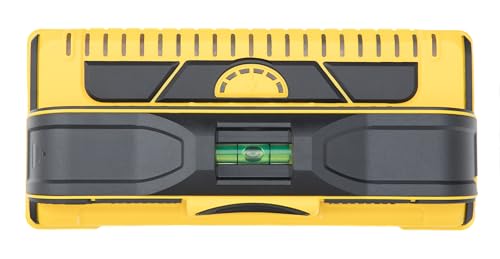
The ProSensor M210 builds on Franklin’s high-accuracy approach with 13 sensors and an integrated live wire detector for safer drilling. It shows the full width of studs on a wide LED display, displaying both the center and edges simultaneously. This is particularly helpful when plaster walls conceal studs behind framing and finish layers. The live wire meter adds a safety dimension for DIY projects, helping users plan power outlet or switch placements without unintended contact with live circuits. This is a practical option for users who value safety alongside precision in plaster environments.
Zircon A250: All-In-One Precision

The Zircon MultiScanner A250 offers Auto-Correcting Technology (ACT) to reduce false readings and improve detection consistency across plaster and drywall. Its SpotLite Pointer helps mark the center of detected studs with a bright beam, while the LCD displays signal strength, mode, and live wire alerts. This combination makes it a robust option for plaster walls that may present irregular stud patterns due to historical construction methods. It’s suitable for homeowners tackling shelves, TV mounts, or heavy fixtures where precision matters and plaster tablets or tile may complicate readings.
StudPoP Magnetic: Plaster-Friendly Magnetic Tool

The StudPoP Original Smart Magnetic Stud Finder emphasizes a battery-free magnetic approach that works well on plaster and other dense wall materials. Its visual indicator reveals when a nail or screw within a stud is detected, making it a practical option for thick plaster where electronic sensors may struggle. It’s particularly useful for quick checks or when you want a simple, reliable guide to stud location without calibration or battery concerns. For plaster walls, the magnet approach can offer a dependable baseline detection, especially in well-constructed older homes with traditional framing.
Meapro 5-in-1: Versatile Wall Scanner

The Meapro 5-in-1 Stud Finder provides multiple scanning modes, including dedicated studs and AC wiring checks, plus metal detection. The upgraded intelligent chip supports fast and accurate detection of wood studs, metal studs, pipes, and live electrical lines behind walls, floors, and ceilings. The bright backlit LCD display presents center positions, edges, and battery life, with audio alerts to guide you to exact locations. This makes it a well-rounded option for plaster walls that may conceal both wood framing and plumbing behind multiple layers.
Buying Guide: Key Purchase Considerations
When selecting a stud finder for plaster walls, consider the following factors to ensure you choose a tool that matches your project needs:
- Wall composition: Plaster with lath, plaster with tile, or plaster over drywall all affect how readings appear. Multi-sensor devices and auto-correcting technologies help mitigate plaster-specific false readings.
- Detection depth: Older plaster walls can have thicker depth profiles. Look for models with enhanced detection depth or mode options that handle thick constructions and multiple layers.
- Detection modes: A mix of stud, edge, and center detection plus live wire scanning increases safety when drilling near plumbing or electrical lines.
- Visual and audio cues: High-contrast LCD displays, backlighting, and audible alerts help you locate studs in dim rooms or while wearing protective gear.
- Safety features: Live wire detection, especially in older homes, is important. Selecting devices with a dedicated live wire meter reduces the risk of drilling into energized lines.
- Power source and calibration: Battery-free magnetic models provide simplicity, while electronic scanners offer more detail but require power. For plaster-heavy builds, consider a balance between ease of use and precision.
- User experience: Ease of use, calibration-free operation, and the ability to scan over previously detected areas without re-scanning can influence efficiency on projects with multiple walls.
In summary, plaster walls benefit from tools that combine multiple sensors, auto-correcting technology, and visual/audible cues. A magnet-based option adds a simple, calibration-free alternative, while integrated live wire detection reduces safety risks. By weighing accuracy, depth, and usability, you can select a stud finder that fits your typical plaster-wall mounting tasks, from mounting a heavy flat-screen TV to installing shelving or art.