Choosing the right epoxy resin tint can transform simple projects into eye‑catching art. This guide highlights five top color kits that work well for resin jewelry, river tables, coasters, and decorative crafts. Each option is best suited for different creators: beginners may prefer ready‑to‑use pigment pastes, while seasoned crafters might want highly concentrated dyes for precise color control. The following picks emphasize vibrant, consistent color, minimal mixing, and practical application tips to help you decide which tint is best for your project.
Summary table of selected products:
- SigWong Epoxy Resin Pigment – 16 colors, highly concentrated, includes gold foil flakes
- Miraclekoo 12 Colors Epoxy Resin Color Dye – 10 ml each, mixable
- Alumilite Liquid Color Dye – Black, highly concentrated, color consistency note
- LET’S RESIN 8‑Color Resin Pigment Paste – 1.06 oz each, translucent to opaque control
- Teexpert Pigment Paste – 6 colors, consistent color for batch projects
Epoxy Resin Pigment – 16 Colors Translucent Resin Colorant

Best for: hobbyists and jewelry makers who want a broad color palette in one gift‑box setup. The set includes 16 translucent colors plus three gold foil flakes, allowing quick, decorative detailing without sourcing multiple bottles. The pigments are highly concentrated, so a little goes a long way, which is ideal for small projects or experiments with new techniques.
Why selected: This kit offers the widest color range among the options, making it easier to test color theory, shading, and layering in a single purchase. It’s especially convenient for beginners who need variety without buying many separate products.
Caution: The translucent nature means white can lower opacity if used in excess; experiment with small drops and layering to achieve your intended appearance.
12 Colors Epoxy Resin Color Dye – 10ml Each
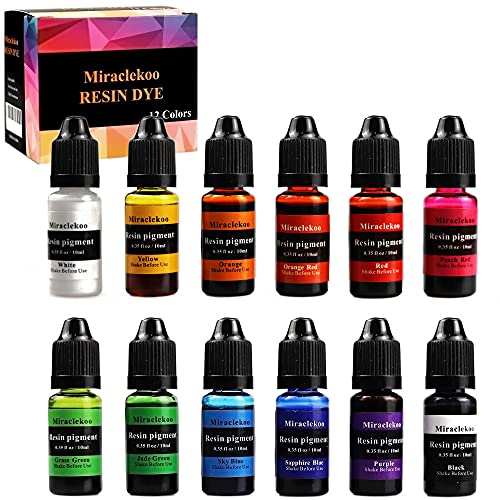
Best for: crafters seeking reliable, individual color bottles that are easy to mix and customize. This set includes a white pigment that sinks to the bottom, so shaking before use is recommended to ensure consistent color distribution in batches.
Why selected: The kit offers a practical range of colors in compact 10 ml portions, enabling precise color matching for projects like resin jewelry, coasters, or small decorative pieces. The note about color behavior helps set good expectations for mixing and layering.
Limitation: White pigment tendency to sink requires mixing prior to use; neglecting to shake can yield uneven results across pours.
Alumilite Liquid Color Dye (Black, 1 oz)
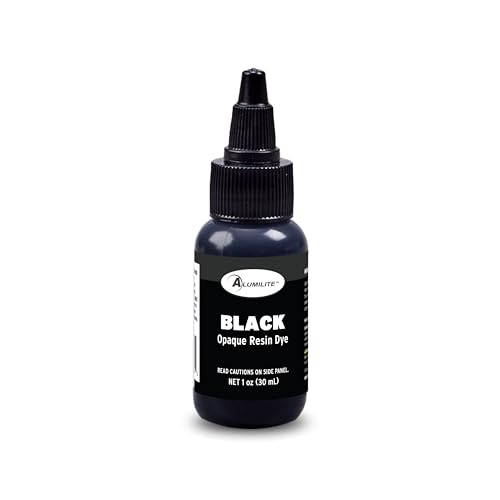
Best for: creators who want a highly concentrated dye that can tint clear resins to translucent or opaque finishes with minimal product use. Ideal for art coatings, coatings on river tables, or base color work in jewelry making.
Why selected: The dye’s high concentration means you can achieve vibrant tones with tiny amounts, helping to stretch supplies over longer projects. It is especially useful when you need consistent color across multiple pours.
Caution: Start with a small amount and gradually increase to prevent overpowering the resin or affecting cure characteristics; agitate well to maintain color uniformity.
LET’S RESIN 8-Color Resin Pigment Paste
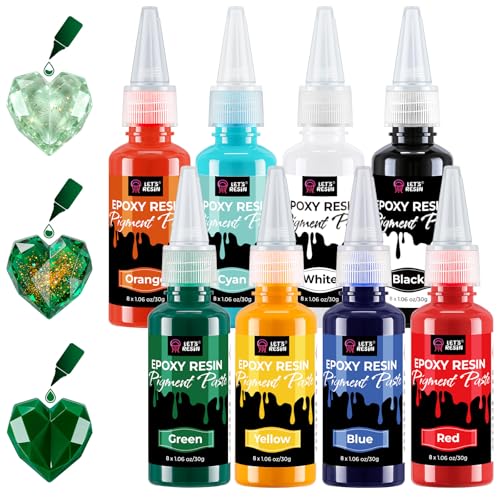
Best for: artists who want ready‑to‑use, highly concentrated color pastes with predictable results across batches. The set includes classic colors suitable for ocean scenes, marble effects, and bold accents, allowing both translucent and opaque finishes by adjusting pigment amount.
Why selected: Each 1.06 oz bottle is designed for heavy color payoff, which reduces the amount needed per project. The formula supports layering and color variation while maintaining color integrity across multiple pours.
Limitation: The bottle is labeled by weight; users should note that apparent fill may vary visually, so verify color strength by testing a small sample first.
Teexpert Pigment Paste for Epoxy Resin
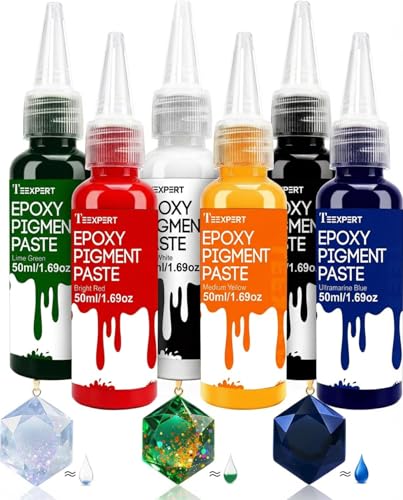
Best for: resin artists seeking a compact set with consistent color dispersion for batch projects. The six colors are pickable for creating uniform results across multiple pieces, making this a practical choice for small businesses and hobbyists printing multiple items in one go.
Why selected: The set emphasizes even dispersion, which helps achieve consistent color across pours in batch production. It’s a good balance between color options and predictable outcomes for repeatability.
Caution: While designed for consistency, always stir before use to prevent color from settling; test a sample pour to confirm shade before large runs.
Buying Guide: Key Considerations For Epoxy Resin Tints
- Concentration and color control: Highly concentrated pigments require smaller amounts to reach the desired shade. They’re cost‑effective but demand careful measurement to avoid overpowering the resin.
- Opacity vs translucency: Some sets are designed to be translucent, while others offer opaque finishes. Decide if you want sheer color, full coverage, or both by adjusting pigment quantity.
- Mixing behavior: Certain white or light pigments may sink or separate. Gentle shaking, stirring, and occasional re‑mixing help maintain consistency across pours.
- Compatibility: Check that the tint works with your resin type (epoxy, polyurethane, or others). Most dyes are formulated for epoxy, but verify the brand’s recommended uses.
- Color range and project type: For jewelry, choose bright, vibrant options with good color payoff. For river tables or large crafts, consider a mix of concentration levels to achieve depth and marbling.
- Safety and handling: Natural mica powders and non‑toxic pigments are preferable for crafts, especially in items that may come into contact with skin or food contact surfaces.
Frequently Asked Questions
- Q: How much pigment should I use per ounce of resin? A: Start with a small amount, such as a drop or two, and add gradually until you reach the desired color depth. Avoid overloading which can affect cure time and clarity.
- Q: Do pigments affect resin curing? A: Some pigments can affect curing if used in excess. Always follow manufacturer guidance and test on a small sample before full production.
- Q: Can I mix different brands of pigments together? A: Yes, but test compatibility first. Some pigments may react differently with resin bases or hardeners.
- Q: What is the best way to achieve opaque color? A: Mix pigments with white or use opaque pastes in combination with clear resin, then layer or build up opacity as needed.
- Q: How should I store pigment bottles for longevity? A: Keep bottles tightly closed, in a cool, dry place away from direct sunlight to prevent color drift and dryness.
- Q: Are mica powders safe for skin contact? A: Most cosmetic-grade mica powders are designed to be safe, but avoid inhalation and follow product safety guidelines when using in crafts.