When removing paint from wood, choose tools designed to minimize damage while delivering steady, reliable results. This guide highlights five top picks that balance scraping power, blade durability, and user comfort. Perfect for homeowners, DIY enthusiasts, and professionals tackling furniture, trim, and wooden surfaces.
| Product | Best For | Why It Stands Out |
|---|---|---|
| Bates- Paint Scraper, 10 in 1 Painters Tool | General wood repaint prep, multi-surface work | Versatile 10-in-1 tool with a rust-resistant blade and wood grip. |
| DIYSELF 1 Pack Razor Blade Scraper | Precision paint and sticker removal | Built-in blade storage, 15 extra blades, non-retractable with rubber handle. |
| KUSUFEFI Plastic Razor Blade Scraper | Scratch-free cleaning on wood and painted wood | Ergonomic handle, safe plastic blade, accessible spare blades. |
| Max Strip Paint & Varnish Stripper 32oz | Chemical-assisted paint removal on wood | No caustic chemicals in use; single-application chemistry for layers. |
| ALLWAY CS6 Soft-Grip Contour Scraper Set | Contour edges and detailed mouldings | Six blades tailored for curves and tight reveals; includes blade file. |
Note: The best choice depends on your project scope, surface sensitivity, and whether you prefer manual scraping, chemical assistance, or blades designed for intricate profiles. The following sections detail each option to help you pick the right tool for wood surfaces.
Bates- Paint Scraper, 10 in 1 Painters Tool
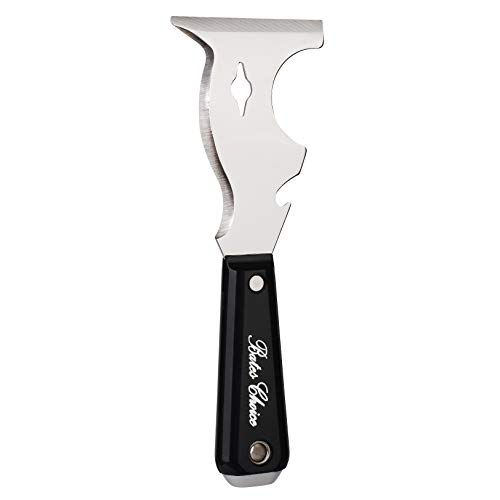
The Bates Choice 10-in-1 scraper is designed for wood and other surfaces. It combines multiple scraping tasks into one tool, including paint removal, puttying, and removal of vinyl or paper wallpaper. Best for homeowners who want a single multi-tool for routine prep work.
Who it’s best for: DIYers who want a versatile, space-saving tool for painting prep on wood surfaces. Why selected: The rust-resistant blade and wood grip provide durable control for extended use. Caution: Some tasks may require a dedicated sharp blade for embedded finishes; test on a small area first.
DIYSELF Razor Blade Scraper with 15 Extra Blades

This razor blade scraper is a light, versatile option for removing paint from wood, windows, glass, and stove tops. It ships with 15 extra SK5 steel blades and features built-in blade storage and a rubber handle for a secure grip. Best for precise edge work and quick spot cleanups.
Who it’s best for: Homeowners who need a compact, reliable tool for edge-and-spot paint removal. Why selected: Built-in blade storage keeps blades ready, and the included blades expand long-term use. Caution: The blades are sharp; handle with care and use protective gloves during replacement.
KUSUFEFI Plastic Razor Blade Scraper
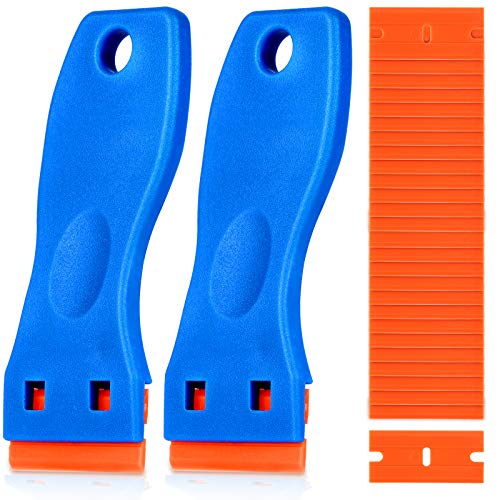
The KUSUFEFI scraper uses a plastic blade approach to remove paint without scratching wood or painted surfaces. It features an ergonomic curved handle and two blade slots to prevent slipping. Best for delicate wood surfaces or refinishing projects where surface integrity matters.
Who it’s best for: Crafters and renovators concerned about surface scratches. Why selected: Safe cleaning option with a scratch-free design. Caution: Plastic blades wear faster on tough coatings; plan for replacements if removing thick paint layers.
Max Strip Paint & Varnish Stripper 32oz
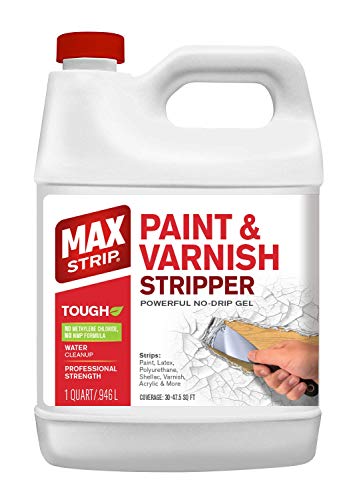
Max Strip provides chemical assistance for removing multiple layers of paint or varnish from wood. It’s designed for DIY projects and professional work alike, with a careful application approach—check every 15 minutes and remove with a scraper. Best for thicker, multi-layer coatings.
Who it’s best for: Projects with stubborn or multiple layers of finish where chemical aid improves efficiency. Why selected: No methylene chloride or NMP in formula; user-friendly application protocol. Caution: Use in a well-ventilated area and follow safety guidelines for chemical use.
ALLWAY CS6 Soft-Grip Contour Scraper Set

The ALLWAY CS6 set offers six blades tailored for contours and tight reveals, making it ideal for woodwork with decorative profiles. The included blade file helps maintain sharpness for repeated use. Best for projects involving curved edges, molding, and trim removal.
Who it’s best for: Professionals or serious DIYers working on intricate wood features. Why selected: A full set of blades designed for varied profiles, plus a sharpening option. Caution: Blades can be sharp; store safely when not in use.
Buying Guide: How to Choose the Right Paint-Removal Tools For Wood
- Surface sensitivity: For delicate or antique wood, prefer plastic blades or gentle steel scrapers to minimize scratches and gouges.
- Layer thickness: Thick or multi-layer coatings may benefit from chemical strippers or heavier-duty scrapers with robust blades.
- Edge detail: Curved or detailed trim requires contour-specific blades or sets designed for profiles.
- Safety and comfort: Look for ergonomic handles, grip texture, and blade storage to reduce hand fatigue and maximize control.
- Maintenance: Consider tools with replaceable blades or sharpenable blades to extend tool life and maintain effectiveness.
- Environment: When using chemical strippers, ensure proper ventilation and follow safety guidelines to protect the wood and occupants.
Frequently Asked Questions
- What type of tool is best for removing paint from wood? – A combination approach often works best: a sharp blade scraper for bulk removal, plus a chemical stripper for stubborn layers on thicker coatings, and a fine-edge scraper for detail work.
- Can I use a plastic blade scraper on wood without scratching? – Yes, plastic blade scrapers are designed to be gentler and are less likely to scratch soft woods or restored finishes, though durability varies with coating hardness.
- Should I use a scraper with a built-in blade storage? – Built-in storage helps with blade changes and keeps blades accessible, which is convenient for longer projects.
- Is chemical stripper safe for wood furniture? – Some formulas are designed to be wood-friendly, but always test on a small area first and use proper ventilation and PPE as directed.
- How do I prevent gouges while scraping? – Use light, even pressure, keep the blade at a shallow angle, and switch to a softer tool for delicate surfaces or edges.
- How do I maintain scraper blades? – Regularly inspect blades for wear, sharpen or replace as needed, and clean residue after use to prevent corrosion.