Find the right transparent white for glazing, mixing, and lightening colors with confidence. This guide highlights five transparent or mixing whites from trusted brands, suitable for beginners through pros. Best for detailed glazing, large-area coverage, or safe educational use, these selections emphasize clarity, flow, and color value without compromising durability.
Overview of selected products:
- Liquitex BASICS Acrylic Fluid Paint (Transparent Mixing White) — ultra-smooth and ready to use straight from the bottle.
- Liquitex Professional Soft Body Acrylic Paint (Transparent Mixing White) — vivid pigments with a low wet-to-dry shift.
- GOLDEN Fluid Acrylics (Zinc White) — a transparent mixing white suitable for glazing and color tinting.
- GOLDEN Heavy Body Acrylics (Zinc White) — semi-transparent, preserves brushstrokes for textured work.
- Createx Airbrush Colors (Transparent White) — versatile for airbrush applications and thin layering.
| Product | Best For | Notes |
|---|---|---|
| Liquitex BASICS Fluid Acrylic Paint, Transparent Mixing White | Detail work and glazing | Smooth, ready to use straight from the bottle |
| Liquitex Professional Soft Body Acrylic Paint, Transparent Mixing White | Even washes and vibrant glazing | Low wet-to-dry shift, safe for studio/education |
| GOLDEN Fluid Acrylics, Zinc White | Glazing and color tinting | Very transparent, excellent for layer-building |
| GOLDEN Heavy Body Acrylics, Zinc White | Textured white glazing and mixed media | Semi-transparent, preserves brush marks |
| Createx Airbrush Colors 5131 Transparent White | Airbrushing and smooth overlays | Transparent by design; compatible with 4012 Reducer |
Liquitex BASICS Fluid Acrylic Paint — Transparent Mixing White

Best for: Artists who want a ready-to-use liquid white for precise glazing, fine detail, and thin color washes. The BASICS line emphasizes smooth viscosity with strong pigment load, delivering a satin sheen finish that works well on canvas, panel, and mixed-media surfaces. Designed to be used straight from the bottle, no dilution needed for flowing consistency.
Why chosen: Ultra-smooth fluid color with fine art pigments, blending ease, and a satin finish ideal for layering. The formula minimizes stickiness while maintaining a steady flow for controlled strokes.
Limitations: While versatile, it may be less forgiving for heavy impasto compared to thicker acrylics. For large, opaque areas, you might substitute a thicker white and glaze with this fluid option on top.
Liquitex Professional Soft Body Acrylic Paint — Transparent Mixing White

Best for: Artists seeking high clarity and vibrant color expression with a flexible, low-viscosity body for broad washes or detailed glazing. Soft Body is designed for smooth application with minimal wet-to-dry shift, making it suitable for educational settings and studio projects alike.
Why chosen: Pure pigments with modern resin technology yield maximum brightness and a smooth, flowing texture. The low viscosity aids wide coverage without sacrificing control, and the AP-seal confirms safety for classroom use.
Limitations: The finish is typically satin to semi-gloss; for a more matte appearance, consider a matting medium or different product within the line.
GOLDEN Fluid Acrylics Zinc White

Best for: Glazing and color-mixing where a transparent white is essential for maintaining brightness in layers. Zinc White is a classic choice for achieving light tints and controlled lightening of hues.
Why chosen: Zinc White provides excellent transparency and is highly lightfast, making it ideal for glazing, color mixing, and thin applications where a bright white beneath is preserved in the glaze.
Limitations: It is more transparent than traditional titanium white, so it may require multiple layers to achieve high opacity in dense areas.
GOLDEN Heavy Body Acrylics Zinc White

Best for: Artists who want to preserve brushstroke texture while glazing or building up subtle light layers on canvas or boards. The heavy body has more body than fluid lines, enabling thicker, appreciable texture.
Why chosen: Semi-transparent Zinc White with a thick, smooth texture allows visible brush marks and palette knife texture, great for layered works that require lightening without fully opaque coverage.
Limitations: The heavier body means it’s harder to apply in ultra-thin layers; for delicate glazes, dilute or switch to a fluid option.
Createx Airbrush Colors 5131 Transparent White
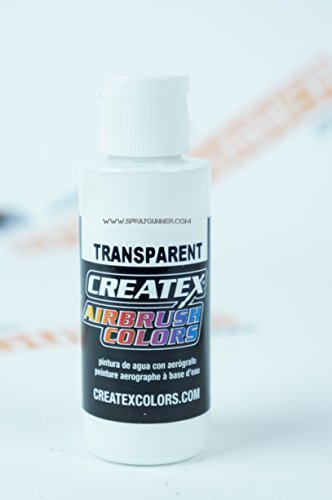
Best for: Airbrushing and fine overlays where precise, transparent white is required. This product works well over light base colors to create soft highlights and gentle tints.
Why chosen: Transparent by design, making it a go-to option for airbrush work, detailed glazing, and thin layering. It pairs well with 4012 reducer for controlled consistency.
Limitations: Primarily designed for airbrush use; results may vary when used with traditional brushes or on non-airbrush surfaces.
Buying Guide: Key Considerations for Transparent White Acrylics
- Viscosity and application: Choose a product whose viscosity matches your technique—fluid for glazing and detail; soft body for wide washes; heavy body for texture.
- Transparency vs. opacity: Zinc White options offer varying transparency. For glazing, a transparent white helps maintain color vitality; for highlights, you may prefer a mix with titanium white.
- Finish and lightfastness: Satin or semi-gloss finishes work well for a wide range of pieces; check lightfast ratings to ensure long-term durability.
- Safety and certifications: For classroom use, AP seal and non-toxicity are important; all listed products meet common safety standards for studios.
- Compatibility with surfaces: Most options work on canvas, panels, wood, metal, and plastic. Consider surface preparation for best adhesion and longevity.
- Medium and reducer options: Some brands pair with reducers or mediums to adjust flow for airbrushing or glazing; test compatibility before full-scale work.
FAQ
- What is the difference between fluid and heavy body white in acrylics?
– Fluids are designed for smooth, even application and glazing, with lower viscosity. Heavy body offers more texture and brush-stroke visibility, suitable for impasto or mixed-media layering. - Can transparent whites replace titanium white in glazing?
– Yes, transparent whites are useful for lightening hues without overpowering them, but they won’t cover as strongly as titanium white. Use titanium white for opaque highlights when needed. - Are these whites safe for classroom use?
– Yes. Several products listed carry safety certifications (AP seal) suitable for studio and educational environments. - Can I mix these whites with other brands?
– In most cases, yes, but test compatibility with a small area first. Some brands’ mediums may interact differently with others’ pigments. - Which white should I choose for airbrushing?
– Createx Transparent White is designed for airbrush use, with a thin, uniform spray suitable for overlays and glazing. - Is zinc white more transparent than titanium white?
– Zinc white is generally more transparent and better for glazing, while titanium white provides higher opacity for opaquely bright highlights.