Need a urethane-modified acrylic primer that sticks to tough surfaces and provides a solid, durable base for topcoats? This guide highlights five top choices and explains who each product is best for. The list covers bonding primers that work on glossy tile, PVC, metal, wood, and other hard-to-coat substrates. Use this quick buyer-friendly overview to pick the right primer for drywall, masonry, and pre-coated surfaces, while avoiding common compatibility pitfalls.
| Product | Best For | Key Benefit |
|---|---|---|
| INSL-X SXA11009A-04 Stix | Glossy, nonporous surfaces | Unparalleled adhesion to hard-to-coat substrates |
| XIM UMA Acrylic Bonder | Better wet adhesion on glossy surfaces | Excellent initial grip on slick materials |
| U-POL Urethane Primer Kit | High-build, opaque gray primers | Great opacity and leveling |
| High Teck 77400C Series | Fast-drying primer/surfacer | High-build, easy sanding |
| Rust-Oleum Painter’s Touch Latex | Indoor/outdoor general use | Low odor and broad substrate compatibility |
INSL-X Stix Acrylic Waterborne Bonding Primer
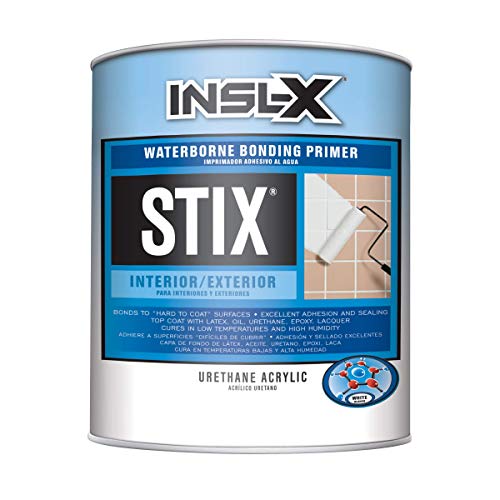
Best for: Surfaces that stubbornly resist adhesion, including glossy tile, PVC, vinyl, plastic, glass, glazed block, and galvanized metals. This premium, acrylic-urethane bonding primer-sealer is designed to bond to hard-to-coat materials and to accept topcoats from various brands and formulations.
Why selected: Its formulation focuses on adhesion strength on glossy and nonporous substrates, reducing the need for aggressive mechanical prepping. It’s a versatile base for drywall, wood trim, formica, ceramic tiles, and masonry surfaces, making it a go-to option when standard primers fail.
Limitations: On some porous woods or severely cracked substrates, initial sealing may require follow-up coats for best finish. Ensure proper surface cleaning before application to maximize adhesion.
XIM UMA White Acrylic Bonder and Primer/Sealer

Best for: Surfaces requiring improved wet adhesion and performance in challenging application conditions. This product is noted for its excellent grip on hard, glossy substrates and its effectiveness in low-temperature or high-humidity environments.
Why selected: The bonding capability on slick surfaces helps ensure topcoats lay down evenly and last longer, making it a strong pick for kitchens, bathrooms, or industrial spaces with moisture exposure.
Limitations: Availability and consistency can vary by market; verify that it suits your specific topcoat system for optimal compatibility.
U-POL 1 Liter Urethane Primer Kit

Best for: High-build, opaque primers that provide a smooth base for finish coatings. This kit supports good opacity and leveling, with options for air-dry, low bake, or infrared curing.
Why selected: Its combination of hiding power and film build helps achieve a uniform foundation, especially on surfaces with minor flaws that may show through thinner primers.
Limitations: Requires proper ventilation and adherence to safety guidelines for urethane systems. Mixing and curing might depend on environmental conditions and the included hardener specifics.
High Teck 77400C-1 High Solids Acrylic Lacquer Primer

Best for: Refinishing projects requiring fast dry times and high-build adhesion. This gray, high-solids acrylic lacquer primer is designed for quick sanding and strong color holdout with minimal shrinkage.
Why selected: Its 1:1 thinning ratio and fast drying characteristics support efficient project timelines, especially in spray-applied or large-area applications where rapid sand-through is a concern.
Limitations: Being a lacquer-based formula, it may require specific ventilation and compatible topcoats. Ensure your paint system supports lacquer primers for the best results.
Rust-Oleum Painter’s Touch Latex Primer

Best for: A versatile indoor/outdoor primer that works on wood, metal, plaster, masonry, or unglazed ceramic. The water-based acrylic formula is low odor and provides durable protection for a wide range of projects.
Why selected: Its broad substrate compatibility and quick-drying properties make it suitable for quick handyman tasks or general renovation projects where a reliable base coat is needed.
Limitations: While versatile, it may not offer the same level of adhesion on heavily glossy or nonporous surfaces as dedicated bonding primers. Test a small area for adhesion expectations.
Buying Guide: Key Considerations When Choosing a Urethane-Modified Acrylic Primer
- Surface compatibility: Identify whether your substrate includes glossy tile, PVC, metal, drywall, or masonry, and choose a primer that explicitly bonds to those materials.
- Adhesion vs. build: Decide if you need maximum initial adhesion (bonding primers) or higher film build for hiding surface imperfections (high-build primers).
- Drying time and curing: Consider project timelines. Some primers dry quickly and allow sanding within 30 minutes, while others may require longer cure times.
- Topcoat compatibility: Ensure the primer is compatible with your intended topcoat (latex, enamel, polyurethane, or lacquer) to prevent adhesion or finish issues.
- Environmental conditions: Low-temperature or high-humidity environments can affect adhesion and cure; choose formulations rated for those conditions if applicable.
- Safety and ventilation: Many urethane and lacquer primers require proper ventilation and protective equipment. For indoor use, select low-odor or latex-based options when possible.
FAQ
- What is urethane-modified acrylic primer best for? It provides strong adhesion to hard-to-coat surfaces and serves as a stable base for various topcoats.
- Can I use these primers on glossy surfaces without sanding? Yes, many bonding primers are designed to bond to glossy substrates, but light scuffing can improve adhesion in some cases.
- Do these primers require a hardener or activator? Some kits include hardeners for faster cure, while others are single-component; follow product instructions for mixing and application.
- Is a latex primer sufficient for wood and drywall? For non-glossy, porous surfaces, latex primers can work well, but bonding primers may be preferred for slick or challenging substrates.
- How do I know which primer to choose for a bathroom or kitchen? Look for moisture-resistant formulas with strong adhesion to ceramic, tile, and metal surfaces commonly found in these spaces.
- Are these primers safe for indoor use? Many are low-odor or water-based, but always follow manufacturer safety data sheets and ventilation recommendations.