Answering the question “which water-based lacquer is best for cabinets?” this guide highlights five top options that balance durability, clarity, and ease of use. These products are best for DIYers refinishing cabinetry, homeowners upgrading kitchen or bathroom cabinets, and professionals seeking fast-drying, non-yellowing finishes. The list emphasizes clear, protective coats that preserve wood color while resisting scratches and moisture.
| Product | Finish | Best For | Notes |
|---|---|---|---|
| Minwax 25555 Clear Polycrylic Gloss | Gloss | Bright, modern look on light woods | Non-yellowing, low odor |
| Minwax 63333 Clear Polycrylic Satin | Satin | Subtle sheen for classic cabinet looks | Low odor, non-yellowing |
| Varathane Water-Based Crystal-Clear Ultimate Polyurethane (Matte) | Matte | Hidden sheen, natural wood look | Fast dry; clean up with soap and water |
| Aqua Coat Clear Lacquer Satin | Satin | Interior wood and plastic cabinets needing a sleek glaze | Very clear, rapid dry time |
| Minwax 65555 Clear Polycrylic Gloss | Gloss | Bright, contemporary finish on cabinets | Crystal clear, low odor |
Minwax 1/2 Pt Clear Polycrylic Gloss
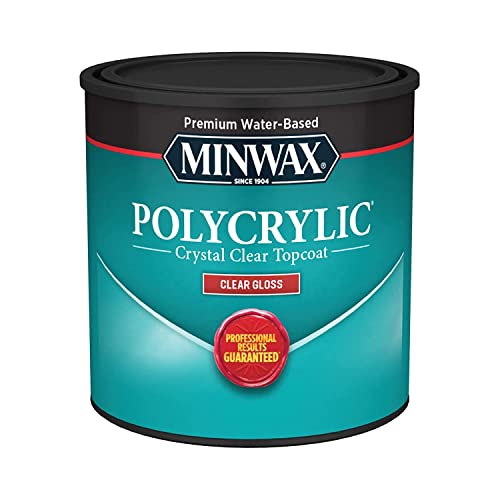
Product: Minwax 25555 Clear Polycrylic Water-Based Protective Finish. Finish: Gloss. Best for: Cabinets and interior wood projects needing a bright, non-yellowing gloss. Why chosen: Provides a crystal-clear protective coating that highlights natural wood while resisting scratches and stains. Caution: High gloss can emphasize surface imperfections; requires proper surface prep for best results.
Minwax 63333 Clear Polycrylic Satin

Product: Minwax 63333 Clear Polycrylic Satin. Finish: Satin. Best for: Cabinets requiring a classic yet subtle sheen. Why chosen: Crystal-clear finish compatible with various stains and woods; offers durable protection with a low-odor formula. Caution: Satin sheen may show dust more readily than matte in bright kitchens.
Varathane Water-Based Matte Polyurethane

Product: Varathane Water-Based Crystal-Clear Ultimate Polyurethane (Matte). Finish: Matte. Best for: Cabinets where a natural wood look with minimal shine is desired. Why chosen: Fast-drying, water-based formula with easy cleanup and good clarity. Caution: Matte finishes can highlight minor surface imperfections if prep isn’t thorough.
Aqua Coat Clear Lacquer Satin
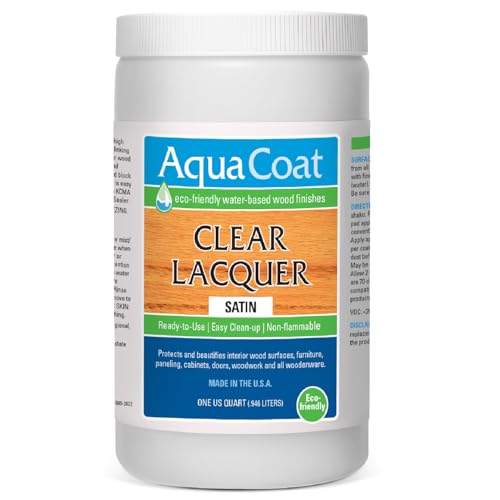
Product: Aqua Coat Clear Lacquer Satin. Finish: Satin. Best for: Cabinets that require a protective, elegant satin finish with rapid recoat potential. Why chosen: Extreme clarity, non-yellowing properties, and fast drying aid quicker project completion. Caution: As a lacquer, it can be more sensitive to brush marks; proper technique helps minimize marks.
Minwax 65555 Clear Polycrylic Gloss

Product: Minwax 65555 Clear Polycrylic Gloss. Finish: Gloss. Best for: Cabinets needing a bright, contemporary gloss with strong protection. Why chosen: Crystal-clear finish that works over all stains and wood species; non-yellowing and low odor. Caution: High gloss may highlight any surface irregularities if the prep stage is skipped.
Buying Guide: Key Considerations For Choosing Water-Based Cabinet Lacquer
- Finish appearance: Do you want a high-gloss, satin, or matte look? Gloss yields a brighter appearance, satin offers a subtle sheen, and matte provides a near-sealed, natural look.
- Clarity and color retention: Choose products that are labeled crystal-clear and non-yellowing to preserve wood tones over time.
- Drying and recoating times: Faster drying allows quicker project completion, but ensure you have adequate time for proper sanding between coats.
- Durability: Consider the cabinet environment. In kitchens or bathrooms, a tougher, moisture-resistant finish helps prevent damage from spills.
- Cleanup and odor: Water-based coatings typically have lower odor and easier cleanup with soap and water.
- Wood type compatibility: Some finishes perform best on light woods like maple or birch; others work well across various species. Check compatibility with your stain choices.
- Application method: These finishes can be brushed, rolled, or sprayed. Ensure you have proper ventilation and follow manufacturer guidelines to minimize brush marks.
Frequently Asked Questions
- What is the difference between polycrylic and polyurethane in water-based formulas?
The polycrylic is typically clearer and less ambering, providing a protective layer without altering wood color. Polyurethane options, especially water-based, can offer higher durability with various sheens. - Is a satin finish better for cabinets than a gloss finish?
Satin provides a more subtle, durable look that hides minor scratches better, while gloss offers a brighter, modern appearance and highlights wood grain. - How long does it take for a water-based lacquer to cure on cabinets?
Cure times vary, but most water-based lacquers dry to touch within 30 minutes to a few hours and can recoat after 1–2 hours, depending on the product and environment. - Can I apply water-based lacquer over stained cabinets?
Yes, most water-based lacquers are designed for use over oil-based or water-based stains when properly sealed and prepared. - Will water-based finishes yellow over time?
Quality water-based finishes are formulated to remain non-yellowing, especially on light woods and pale stains. - What should I prep before applying lacquer to cabinets?
Clean and lightly sand the surface, remove dust, and apply a suitable stain or primer if needed. Ensure a smooth, dust-free environment for best results.