Answering your search for durable, clear, water-based wood finishes that dry fast and clean up easily. This guide highlights five top picks suited to different wood projects, from furniture to cabinets, with concise reasons for each choice. Each product is best for specific buyers, such as DIY hobbyists, professional woodworkers, or studio artists finishing delicate pieces. The following summary table helps compare key attributes at a glance.
| Product | Best For | Key Benefit | Dry Time Highlight |
|---|---|---|---|
| Varathane Water-Based Crystal-Clear Ultimate Polyurethane (Satin) | Residential furniture and cabinets | Clear, durable interior protection | Touch dry in 30 min; recoat in 2 hours |
| Aqua Coat Clear Lacquer Satin | Woodworking and small interior projects | Luxurious satin finish, non-yellowing | Touch in 10 min; recoating in 1 hour |
| Aqua Coat Water-Based Instrument Lacquer, Gloss | Musical instruments and fine wood | Crystal clarity, fast-drying | Touch in 10 min; sandable in 30-45 min |
| Minwax 1/2 pt Polycrylic (Clear) Gloss | Light woods and furniture | Non-yellowing, durable protection | Dries quickly; clear gloss finish |
| Aqua Coat Clear Lacquer Gloss | Interior wood and plastic projects | High-gloss, long-lasting protection | Touch in 10 min; recoating in 1 hour |
Varathane Water-Based Crystal-Clear Ultimate Polyurethane (Satin)

Product overview: A water-based polyurethane designed to protect indoor wood surfaces such as furniture, windows, cabinets, and trim. It dries quickly and cleans up with soap and water. This satin finish is ideal when a soft, non-glossy look is preferred for a natural wood appearance. Best for: DIY enthusiasts finishing indoor wood pieces who need a clear, protective coat without strong odor or long cure times. Caution: The satin sheen may appear slightly less glossy on very dark woods, so test on a sample first.
Aqua Coat Clear Lacquer Satin Finish
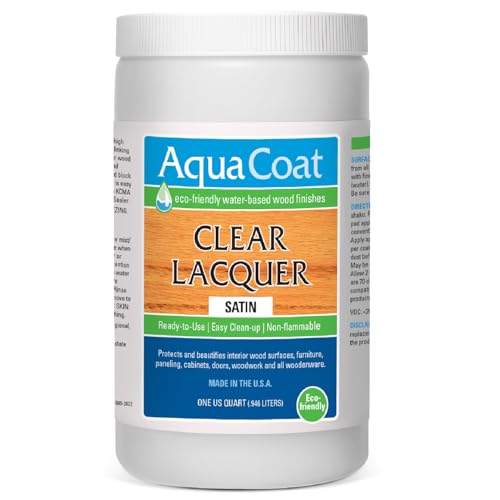
Product overview: Premium water-based lacquer with a satin interior finish suitable for wood and plastic. It emphasizes rapid drying and non-yellowing properties, delivering extreme clarity and good mar resistance. Best for: Projects requiring a refined satin look with quick turnaround, such as interior trim, cabinets, or decorative wood pieces. Limitation: Satin finishes can show brush marks more readily if applied thickly; thin coats yield the best result.
Aqua Coat Water-Based Instrument Lacquer, Gloss

Product overview: A gloss, self-application lacquer designed for instruments and other fine wood surfaces. It offers extreme clarity and excellent mar resistance, with a fast-drying profile that supports quick project cycles. Best for: Woodworkers needing a crystalline, durable gloss finish on detailed or high-visibility pieces. Caution: The gloss finish can emphasize surface texture; sanding between coats helps keep the final gloss smooth.
Minwax 1/2 Pt Polycrylic Clear Gloss
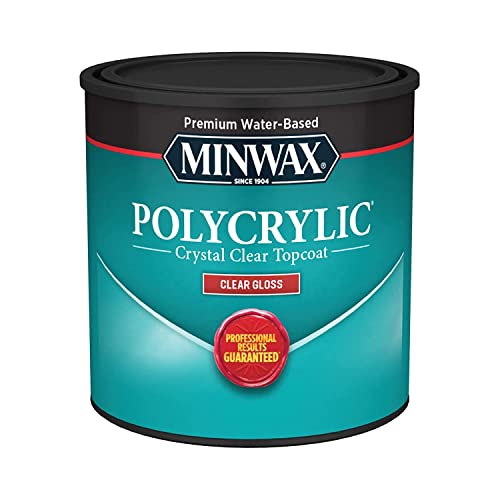
Product overview: A versatile clear protective finish for interior wood projects, including furniture, doors, and cabinets. The crystal-clear gloss is non-yellowing and works over various stains and woods. Best for: Projects requiring a bright, modern look with a protective topcoat, especially on light woods like maple or birch. Limitation: As a water-based finish, it dries with less odor, but application requires proper ventilation and multiple thin coats for best durability.
Aqua Coat Clear Lacquer Gloss Finish

Product overview: A premium water-based lacquer delivering a high-gloss finish for interior wood and plastic. It dries rapidly, allowing quick sanding and recoating cycles, with strong clarity and non-yellowing properties. Best for: High-gloss projects needing a showroom finish, such as display shelves or instrument cases. Caution: The gloss finish may reveal uneven textures on textured woods; surface prep is important for a flawless look.
Buying Guide
How to choose the right water-based lacquer for wood projects. Consider these practical questions:
- What level of gloss do I need? Choose Satin for a softer sheen or Gloss for a showroom finish.
- Is fast dry time important? If yes, look for products that cure in under an hour for recoats.
- What surface am I finishing? Furniture, cabinets, or instruments may benefit from specialized lacquers or higher clarity.
- How important is clarity and non-yellowing? For light woods or clear grain, prefer water-based lacquers marketed as crystal-clear or non-yellowing.
- What about odor and cleanup? Water-based formulas typically have lower odor and soap-and-water cleanup, ideal for indoor spaces.
- Surface prep and recoating: Some lacquers require sanding between coats; plan for 2–3 thin coats for best durability.
Comparative notes
- Best overall for interior wood protection with a balance of gloss options: Varathane Water-Based Crystal-Clear Ultimate Polyurethane (Satin).
- Best for a premium satin look on wood and plastic: Aqua Coat Satin Clear Lacquer.
- Best for high-gloss, crystal-clear instrument finishes: Aqua Coat Water-Based Instrument Lacquer (Gloss).
- Best for a quick-drying, non-yellowing clear coat on light woods: Minwax Polycrylic Clear Gloss.
- Best for a showroom gloss on interior pieces: Aqua Coat Clear Lacquer Gloss finish.
Application tips
- Apply thin coats, allowing adequate dry time between passes to minimize runs.
- Sand lightly between coats with fine grit sandpaper to achieve a smooth final surface.
- Test finishing on a scrap piece to ensure compatibility with stains and wood species.
FAQ
- What is the difference between satin and gloss lacquers? Satin provides a softer sheen, while gloss offers a high-reflective, deeper finish.
- Are water-based lacquers safer than solvent-based? Generally, they have lower odors and easier cleanup, but always follow product safety data.
- Can water-based lacquers be used on all wood types? Most are suitable for common interior woods, but test on rare or oily woods first.
- Do these lacquers yellow over time? High-quality water-based lacquers are designed to be non-yellowing, especially on light woods.
- How many coats are recommended? Typically 2–3 thin coats yield durable protection and a smoother finish.
- Is brushing or spraying better? Both work; brushes for detailed work and spraying for even coats on larger surfaces. Follow manufacturer guidance.