Water-based spray primers are ideal for quick-drying, low-odor prep that helps paint adhere to many surfaces without heavy sanding. This guide highlights five primers that work well for a variety of projects, from interior drywall to metal and masonry. Each option is suited to different buyers: homeowners tackling small DIY jobs, hobbyists refinishing furniture, or contractors needing fast, reliable coverage. Compare compatibility, drying times, and surface readiness to choose the right primer for your next project.
| Product | Best For | Key Benefit |
|---|---|---|
| Zinsser Bulls Eye 1-2-3 All Surface | General interior/exterior | Sticks to glossy surfaces without sanding |
| Rust-Oleum Stops Rust Universal Bonding Primer | Metal, plastic, and tricky surfaces | Excellent wet adhesion in moist environments |
| Zinsser Mold Blocking Spray Primer | Bathroom/kitchens or damp areas | Blocks mold and odor-causing bacteria |
| Rust-Oleum Painter’s Touch 2X Ultra Cover | Wood, plastic, metal, and more | Low odor, long-lasting protection |
| U-POL Sandable Primer | Automotive and metal prep | Anti-rust technology and fast-drying |
Zinsser Bulls Eye 1-2-3 All Surface Spray Primer
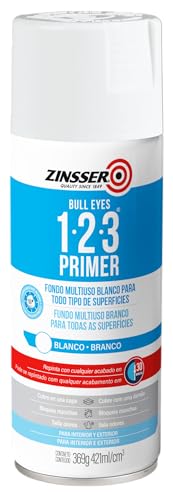
Features: Interior/exterior use on drywall, concrete, wood, masonry, metal and glossy surfaces. Water-based formula seals uniformly and adheres without sanding. Dries to the touch in about 30 minutes; ready to topcoat in 30 minutes. Covers up to 12 sq. ft. per can.
Best for: DIYers and professionals who need a versatile, low-sand primer for multiple surfaces. This primer is chosen for projects where a single product must handle diverse substrates, from drywall to metal. It helps reduce prep time while ensuring solid adhesion.
Caution: Works best when surfaces are clean and free of heavy oil or wax; very glossy surfaces may still benefit from light cleaning before application.
Rust-Oleum Stops Rust Universal Bonding Primer
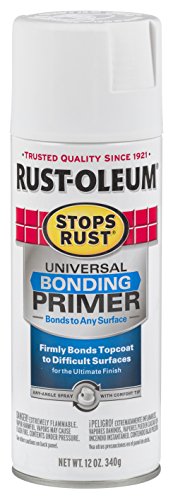
Features: Exterior/interior use; great for galvanized steel, wrought iron, railings, furniture, laminate, PVC, porcelain, masonry, and more. Low odor, low VOC water-based formula with excellent wet adhesion in moist environments. Dries to the touch in 30 minutes and covers up to 10-12 sq. ft.
Best for: Projects involving metal, plastics, or high-adhesion needs in humid spaces. This primer is a strong pick when bonding to challenging substrates like galvanized metal or glossy plastics.
Caution: While versatile, performance can vary on very smooth, non-porous surfaces; consider scuff sanding or a dedicated bonding primer for the most demanding substrates.
Zinsser Bulls Eye 1-2-3 Plus Spray Primer
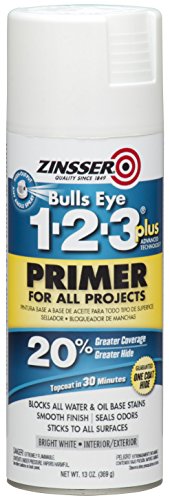
Features: Interior/exterior use on new or previously painted drywall, concrete, wood, masonry, metal and glossy surfaces. Oil-based formula seals uniformly and sticks without sanding. Dries to the touch in about 30 minutes and covers up to 12 sq ft.
Best for: Projects requiring strong sealing on difficult surfaces, including glossy finishes where adhesion matters. Choose this for demanding substrates that may not respond well to water-based formulations.
Caution: This is oil-based; consider ventilation and cleanup requirements accordingly. For users seeking a fully water-based option, opt for water-based products when possible.
Rust-Oleum Corporation 01008 Primer Spray

Features: Shellac-base primer-sealer, for interior and spot exterior use; greatest stain sealer.
Best for: When stain blocking is a priority, and you need a sealer that handles tough stains prior to painting. Suitable for small spots or areas where stain bleed is a concern.
Caution: Shellac-based primers can require more cleanup and may have stronger odor than water-based options. Use in well-ventilated areas.
U-POL Sandable Primer

Features: All-Purpose primer for vehicles and other metal & plastic surfaces; fast-drying and easy-to-sand; anti-rust technology. Available in multiple colors including gray, white, black, and red.
Best for: Automotive prep and small metal or plastic refinishing tasks where quick sanding is beneficial. Choose this if you need fast dry times and a surface ready for paint soon after.
Caution: Not specifically marketed as a general interior wall primer; use with the substrate in mind and follow masking and surface prep guidelines for best results.
Buying Guide: Practical Choices For Your Primer Project
What should you consider before buying a water-based spray primer? Start with substrate compatibility, odor and VOC limits, drying time, and topcoat compatibility. If you are sealing glossy surfaces or metals, bonding strength and wet adhesion become critical. For damp areas, mold-blocking properties can save effort in cleaning and prepping.
Surface Type and Adhesion
- Wood and drywall frequently respond well to water-based primers that dry quickly and sands lightly.
- Metal and plastics may require a bonding primer for strong adhesion, especially on slick or galvanized surfaces.
- Glossy finishes benefit from primers that can stick without heavy sanding, but light cleaning may still help adhesion.
Drying Time and Recoat Windows
- Most water-based primers dry to touch within 20-30 minutes and can be recoated within 30 minutes to an hour, speeding up project timelines.
- Oil-based or shellac-based options often have longer dry times and different cleanup requirements.
Stain Blocking and Mold Resistance
- For rooms with moisture exposure, mold-blocking primers can reduce mildew risks and post-paint odors.
- Stain-blocking capabilities are beneficial when painting over water, smoke, or tannin bleeds.
Application and Cleanup
- Water-based formulations typically clean up with soap and water and emit lower odors, making them suitable for indoor use and shared spaces.
- Always follow the can’s instructions for ventilation, spray distance, and surface preparation to maximize adherence and finish quality.
Decision Checklist
- Are you spraying over glossy or challenging surfaces?
- Is there moisture or potential mold exposure in the area?
- Do you need a quick-dry option to minimize downtime?
- Is odor a concern in the space where you are priming?
FAQ
- What is the advantage of a water-based primer? — It dries quickly, cleans up with soap and water, and generally has lower odor and VOCs than solvent-based options.
- Can water-based primers be used on metal?
- Do water-based primers require sanding?
- How soon can you apply paint after priming?
- What surface benefits from mold-blocking primer?
- Is there a risk of peeling with water-based primers on oily surfaces?
Note: The product descriptions above reflect the official features as listed. Always verify current specifications on the product page before purchasing or applying in a project, especially for substrate compatibility and safety considerations.