Looking to achieve a white-washed oak finish with minimal effort? This guide highlights top white wash style paints and stains ideal for American homes. Each product is best suited for different projects—from interior furniture to exterior masonry—so you can choose based on surface type, odor, and drying time. The table below summarizes the five selected options and ideal uses to help you compare at a glance.
| Product | Best For | ||
|---|---|---|---|
| Varathane White Oak Wood Stain | Furniture and trim | Wood | |
| Rust-Oleum Whitewash Interior/Exterior Masonry Paint | Brick, stone, stucco, wood | Porous surfaces | |
| Evolve Premium Interior White Wash Pickling Stain | Furniture, cabinets, doors, trim | Interior wood | Fast-drying, one-coat rich color |
| Heirloom Traditions Antiquing Gel – White Wash | Vintage or distressed looks | Wood surfaces | Low luster, thick glaze for controlled shading |
| Rust-Oleum Classic White Milk Paint | New or vintage furniture pieces | Wood, furniture surfaces | Semi-transparent finish with buildable coats |
Buyer focus: These options are suitable for homeowners, DIY hobbyists, and professionals seeking a white-washed oak aesthetic without heavy prep work. Some products are better for interior furniture, while others excel on exterior or porous surfaces. The right choice depends on whether you want a single-coat richness, a weathered texture, or a classic, antique look.
Varathane White Oak Wood Stain

Features include a water-based formula that creates a rich, even color in one coat on most surfaces, with low odor and low VOC. It uses advanced pigments to enhance the natural beauty of wood and dries quickly. Additional coats can darken the color if a deeper oak tone is desired. Best for projects where a quick, consistent oak-like finish on wood surfaces is the goal. Limitations: More delicate on very porous materials without proper preparation; may require additional coats for deeper tone on certain woods.
Rust-Oleum Whitewash Masonry Paint
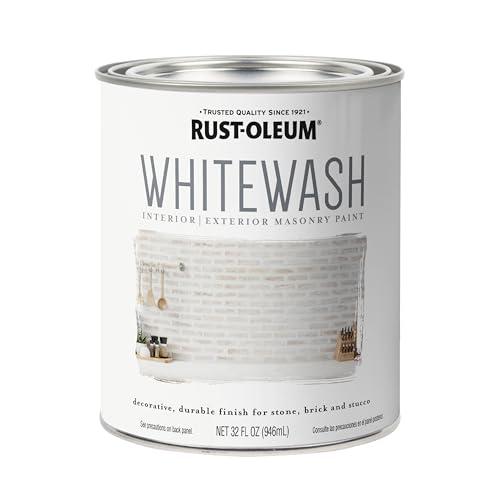
This paint is ideal for highly porous surfaces like brick, stone, stucco, and wood, brightening the texture while allowing natural surface features to show through. It can be diluted with water to adjust coverage and is self-priming and self-sealing for quick, smooth application. Choose this if you’re working on outdoor masonry or porous interior walls and want a breathable, customizable finish. Caution: Dilute carefully to avoid overly washed results on small surfaces.
Evolve White Wash Pickling Stain

Designed for interior use, this fast-drying stain delivers a deep, vibrant color in a single coat on properly prepared surfaces. It’s particularly suitable for furniture, cabinets, doors, trim, and other interior wood elements where a white-washed look with strong grain visibility is desired. Limitation: Best results on well-sanded, prepped surfaces; may require extra coats for darker tones.
Heirloom Traditions Antiquing Gel – White Wash

This antique gel offers a low-luster finish with a greige color that balances brown and gray tones. The thick glaze enables precise shading and is designed for controlled, vintage-inspired results. It’s best for decorative furniture and accent pieces where a soft, aged appearance is preferred. Limitation: Gel products can take longer to dry and may require careful handling to avoid streaks on large surfaces.
Rust-Oleum Classic White Milk Paint

This milk paint creates a semi-transparent, buildable finish with a unique brushed effect that highlights furniture details. It cleans up easily with soap and water, has low odor and low VOC, and covers up to 125 sq ft per quart. Best for new or vintage pieces where an authentic, painted look with some transparency is desired. Limitation: Multiple coats may be needed for full opacity or a fully uniform look.
Buying Guide
What surface are you painting?
Interior wood like furniture or trim often benefits from water-based stains and pickling products for even color without heavy odor. Exterior or masonry surfaces may require self-priming options or products designed for porous materials.
Do you want a single-coat finish or layered texture?
Single-coat products (like the Evolve pickling stain) save time, while gels and milky paints (like Antiquing Gel or Milk Paint) let you create layered, textured looks with more control over shading and antique effects.
Is odor and VOC a concern?
Low-odor, low-VOC options exist across the list. If you’re painting indoors with limited ventilation, prioritize these formulas to maintain comfort during application and curing.
How much prep is acceptable?
Some products advertise no prep or minimal prep, while others require sanding or priming for best results. If you’re refinishing existing furniture, prep-level expectations should guide your choice.
How important is drying time?
Fast-drying finishes enable quicker completion, especially for furniture projects. If you plan to apply a topcoat the same day, choose water-based stains or pickling stains that specify quick cure times.
Color and tone considerations
White-wash tones range from pale, washed whites to greiges. Look for product descriptions that specify the shade and grain visibility to match your desired oak look.
Application tips for best results
- Prepare a clean, sanded surface for even absorption.
- Test color on a small hidden area or scrap wood before full application.
- Apply in the direction of the grain for uniformity.
- Wipe or brush to control shading and achieve the desired white-wash effect.
FAQ
- What is white wash stain best for on oak?
It’s ideal for achieving a light, translucent oak look that preserves wood grain while reducing dark tones. - Can I use these products on outdoor oak furniture?
Some products are designed for exterior or porous surfaces; always verify the surface compatibility on the product page. - Do I need a topcoat after white wash staining?
Most interior wood finishes benefit from a topcoat for protection; follow product-specific guidance for drying and sealing. - How many coats should I apply to get full coverage?
One coat may suffice for a light wash; additional coats can deepen color or achieve a more opaque finish depending on the product. - Will white-wash products obscure grain?
Most white-wash stains are designed to highlight grain while lightening color; gel or milk paint can create fuller coverage with different textures. - Are these paints safe for indoor use without strong fumes?
Look for low odor and low VOC formulas to minimize indoor fumes during application.