If you’re upgrading a porch ceiling with wood panels, you want durable, moisture-resistant options that are easy to install and look timeless. This guide focuses on five practical choices that suit outdoor porches and covered outdoor spaces, from thick Western Red Cedar planks to decorative PVC and shiplap panels. Best for covered porches, these selections balance weather resilience with aesthetic appeal, helping you achieve a warm, natural look without frequent maintenance.
| Product | Best For | Key Benefit |
|---|---|---|
| Bingaai Cedar Tongue & Groove Wall Panels | Porch ceilings, feature walls | ½” thick, real Western Red Cedar; seamless tongue & groove |
| Wood Grain Wall Panels (Light Grey) | Cost-conscious updates | 5mm PVC with strong adhesive; lightweight |
| Western Red Cedar T&G Cladding Panels | Interior/exterior mix-on ceilings | 21 sq ft per box; sustainable Canadian cedar |
| Indoor/Outdoor Shiplap Paneling | Rustic barn look, DIY ease | 9+ ft boards; primed and painted options |
| Faux Wood 3D Wall Panels (Oak Look) | Modern, moisture-resistant accents | PVC, 12-pack; waterproof and lightweight |
Bingaai Cedar Tongue & Groove Wall Panels
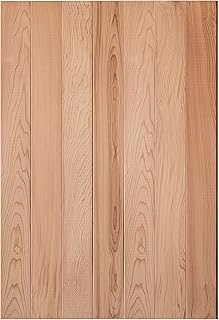
Type: ½” solid cedar wall panels for interiors and ceilings. The thickness (12mm) enhances durability in humidity-prone environments, resisting warping and cupping better than thinner boards. Real Western Red Cedar provides natural moisture resistance due to inherent oils, while the tongue-and-groove design ensures a flush, seamless look that can accommodate horizontal, vertical, or diagonal layouts. Best for buyers seeking a premium, architectural wood finish that lasts in porches and saunas. Limitations: installation requires standard carpentry tools and proper nailing or fastening; thick panels may demand more robust fasteners and spacing considerations in older structures.
Why it’s selected: This option delivers a genuine wood aesthetic with robust performance in outdoor-adjacent spaces. The ½” thickness helps maintain profile integrity under humidity and temperature shifts, making it ideal for porch ceilings where exposure is limited but humidity is common.
Wood Grain Wall Panels (Light Grey, Outdoor Porch Ceiling)

Type: 5mm thick PVC decorative ceiling tiles with self-adhesive backing. This panel is designed for quick installations on porches or indoor ceilings where moisture is present but high mounting strength isn’t required. The waterproof surface, lightweight material, and strong adhesive backing make it a DIY-friendly choice for covering imperfect ceilings or hiding flaws. Best for budget-conscious renovators who want a fast update without heavy framing. Caution: PVC panels can expand and contract with temperature changes; provide expansion gaps if used on large areas to avoid buckling.
Why it’s selected: The combination of waterproof surface and self-adhesive backing allows for a clean, maintenance-light porch upgrade. It’s better for renters or DIYers who prioritize ease over the premium look of real wood.
Western Red Cedar T&G Cladding Wall Panels

Type: Cedar boards in varying lengths; total coverage around 21 sq ft per box. These Canadian red cedar boards offer high density and attractive grain, suitable for both interior and exterior ceilings and walls. Best for buyers who want authentic cedar warmth with natural resilience to moisture. The wider range of lengths allows flexible layout options. Limitation: cedar natural oils can affect finishes and require appropriate sealants for outdoor exposure.
Why it’s selected: A solid cedar option that blends natural durability with classic aesthetics, ideal for a porch ceiling where you want a lasting, traditional wood appearance and a straightforward installation with good coverage per box.
Indoor/Outdoor Shiplap Paneling

Type: 94″ long shiplap boards featuring a rustic barnwood look. These boards are pre-primed and painted or ready for paint, facilitating quick DIY installations on porches and ceilings. Best for those seeking a tight, uniform seam with easy cutting, suitable for horizontal or vertical layouts. Caution: primed options may require top-coating or sealant suited for outdoor conditions to maintain longevity in exposed areas.
Why it’s selected: The extended length and rabbeted joints enable seamless alignment across larger porch spans, minimizing gaps and enhancing weather resistance through straightforward assembly. Choose this if you want a cohesive, traditional barn-inspired aesthetic with simple installation.
Faux Wood 3D Wall Panels (Oak Look)

Type: 12-pack of PVC 3D panels with a natural oak grain, designed for interior walls and ceilings. They are moisture resistant and light, making them suitable for humid porch ceilings where you want a modern, refined look without real wood. Best for contemporary spaces or where guests may demand a consistent, machine-made surface. Limitation: these are glue-up panels intended for indoor use; not designed for exterior weather exposure without proper protective measures.
Why it’s selected: This option offers a bold architectural texture with minimal weight and maintenance. It’s ideal for a modern porch ceiling that aims for depth and contrast while keeping installation straightforward and cost-effective.
Buying Guide: Key Considerations For Porch Ceiling Panels
Moisture management: Porches experience varying humidity. Real wood requires sealants and regular maintenance, while PVC and composite options resist moisture better and require less upkeep.
Installation method: Tongue-and-groove and rabbeted edge panels create clean lines and fewer gaps but may require more precise cutting and tools. Self-adhesive PVC tiles offer faster upgrades for small projects or temporary installations.
Durability vs. aesthetics: Real cedar delivers authentic warmth and a premium look but needs appropriate coatings. PVC and faux wood panels provide lower maintenance and more uniform appearances but may lack the warmth of natural wood.
Finish and color options: Light grey PVC or painted shiplap can reflect more light and brighten a porch, while natural cedar maintains a warm, traditional appearance. Consider climate, sun exposure, and maintenance willingness when selecting a finish.
Expansion and movement: Wood expands with moisture and contracts as it dries. Leave expansion gaps and use compatible fasteners to prevent buckling. PVC panels typically tolerate a wider range of movement but require correct adhesive and mounting methods.
FAQ for Wood Panel Porch Ceilings
- What’s the best material for outdoor porch ceilings? Real wood like Western Red Cedar offers authentic warmth and durability with proper sealing, while PVC or faux wood panels require less maintenance and are more moisture resistant.
- Do cedar panels warp in high humidity? Thicker cedar panels (½” / 12 mm) resist warping better than thinner boards due to greater material mass and moisture handling.
- Can I install tongue-and-groove panels on an outdoor porch? Yes, but ensure proper exterior-grade fasteners and sealants; use panels rated for outdoor use or green-treated wood suitable for exterior exposure.
- Are self-adhesive ceiling tiles reliable for porches? They work for quick upgrades and light-duty areas but may not provide long-term adhesion in outdoor conditions without additional glue or mechanical fasteners.
- Which option is easiest for a DIY install? Lightweight PVC panels with adhesive backing or pre-painted shiplap options are typically easier for beginners; real wood requires more precise cutting and fastening.
- How should I finish cedar ceilings? Use a breathable, water-repellent sealant or translucent stain to preserve color and allow moisture to escape, extending life in humid spaces.