Answer: Choose a ready-to-use interior wood stain with a rustic sage tone for fast, even color on furniture, trim, and cabinetry. The top picks below emphasize a sage-inspired palette, easy application, and durable results for DIY projects and small renovations. This guide highlights who each product is best for, plus practical cautions to help you decide.
| Product | Ideal For | Why It Stands Out |
|---|---|---|
| Rust-Oleum Rustic Sage Varathane Premium Fast Dry Wood Stain | Furniture, trim, floors | Direct sage hue with quick dry and no conditioner needed |
| Varathane Premium Fast Dry Wood Stain – Weathered Gray | Cabinets, paneling, accent furniture | One-coat color with fast drying for rustic gray tones |
| SamaN Interior Water Based Wood Stain – Natural | Renovations emphasizing natural grain | Low odor, low VOC, easy one-coat application |
| Varathane Premium Fast Dry Wood Stain – Dark Walnut | Conventional furniture and trim with deep color | One-coat coverage with quick dry |
| Minwax Rustic Beige Wood Finish | Rustic-themed interiors and cabinetry | One-coat deep color with even penetration |
Rust-Oleum Rustic Sage Varathane Premium Fast Dry Wood Stain

Best for: furniture, trim, floors, and other interior wood projects where a natural, aged sage finish is desired. This product dries in about one hour and requires no wood conditioner, which simplifies refinishing tasks on smaller to mid-size projects. The sage tone complements rustic, farmhouse, and traditional decors while maintaining wood’s natural character.
Why selected: It combines a striking sage shade with practical, fast-drying performance. Its no-condition feature reduces prep steps, and its suitability for multiple surfaces makes it a versatile choice for DIYers working on tables, frames, or floor touch-ups.
Caution: For very porous or soft woods, test color uniformity on a hidden area first to confirm saturation and ambience as color depth can vary with wood density.
Varathane Premium Fast Dry Wood Stain Weathered Gray
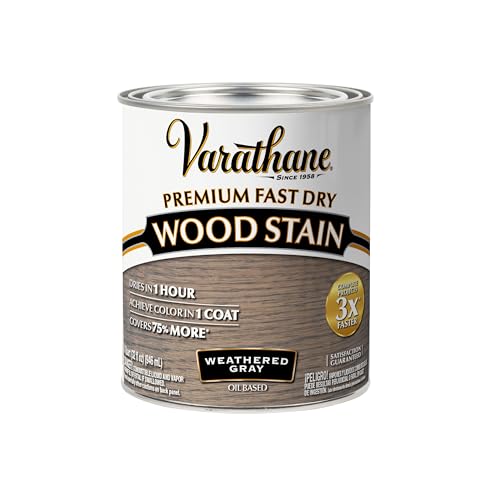
Best for: all interior wood projects such as furniture, cabinets, doors, and trim, particularly when aiming for a weathered gray, rustic effect. One-coat coverage and a fast-drying oil-based formula help you achieve even color quickly, making it ideal for projects where speed matters.
Why selected: The shade aligns with rustic palettes, offering a subdued gray that pairs well with natural metals and aged woods. The fast-drying feature reduces project timelines for door refinishing or cabinet updates.
Caution: Oil-based formulas can have stronger odor and require ventilation during application. Ensure thorough curing before heavy use in high-traffic areas.
SamaN Interior Water Based Wood Stain – Natural

Best for: projects prioritizing low odor, low VOC, and a natural finish that enhances wood grain without heavy tint. Suitable for furniture, moldings, and paneling where a subtle, true-to-wood look is desired.
Why selected: SamaN emphasizes environmental responsibility and user safety, making it apt for homes with sensitivities or for projects in living spaces. It offers easy application and a one-coat approach for quick refreshes.
Caution: The natural tone may not provide as much color depth as pigmented stains on very light woods; test color on a scrap piece if color precision is crucial.
Varathane Premium Fast Dry Wood Stain – Dark Walnut

Best for: adding deep, classic color to furniture and trim with a traditional walnut tone. Ideal for projects where contrast or a rich base is desired for antique or rustic décors.
Why selected: The dark walnut shade delivers strong, consistent color with one-coat coverage and quick dry time, helping to shorten project timelines without sacrificing depth. It complements lighter woods and creates a bold rustic vibe.
Caution: Dark colors can highlight any surface imperfections; ensure sanded, smooth surfaces and consider a test patch in a hidden area before full application.
Minwax Rustic Beige Wood Finish

Best for: rustic-themed interiors, cabinets, and furniture where a beige-toned stain adds warmth without overpowering natural grain. It is designed to penetrate and provide a durable finish in a single coat on many woods.
Why selected: Rustic beige offers a versatile, neutral tone that blends with diverse decors, from country to modern rustic. Its one-coat capability supports quick updates to shelving, tables, and trim.
Caution: Like other oil-based finishes, ensure adequate ventilation and allow sufficient cure time before heavy use or cleaning.
Buying Guide: How to Choose a Rustic Sage Wood Stain
What tone should you target? A rustic sage finish can range from green-tinged gray-green to soft olive. Consider your wood type and the room’s lighting to determine whether you want a true sage, a weathered gray, or a warm beige that echoes sage hints.
Is one-coat coverage important? If you’re staining furniture or trim with tight deadlines, look for products advertised as one-coat or fast-drying. This can shorten project timelines but test color depth on scrap wood first.
Oil-based vs water-based: Oil-based stains typically offer richer color and longer wear when used on hardwoods, but they have stronger odors and longer cure times. Water-based stains are lower odor and low VOC, with easier cleanup, but may require more coats for deeper color.
Surface preparation matters: For best results, sand to a smooth finish, wipe away dust, and apply stain evenly. Test a small area to confirm how the wood absorbs color before applying to the full piece.
Finish protection: Some stains include sealer or require a separate topcoat. If exposure to moisture or heavy use is expected, plan for an appropriate sealant or topcoat after staining to protect the wood.
Frequently Asked Questions
- Q: Can I stain raw pine with a sage shade? A: Yes, but pine absorbs color more unevenly; apply even strokes and consider a conditioner or sealer if blushing or blotching occurs.
- Q: How long should stained wood cure before use? A: Cure times vary; oil-based stains typically require 24–72 hours before light use and longer before heavy use, depending on conditions.
- Q: Will staining darker hide grain? A: Deeper colors may reduce grain visibility. Lightly sanding and using a stain that highlights grain can preserve texture if desired.
- Q: Is a topcoat necessary with these stains? A: Some stains include sealers; others require a separate topcoat for moisture resistance and durability. Check product details and follow up as needed.
- Q: Which stain is best for furniture that will see daily use? A: A stain with good wear resistance and an appropriate topcoat (polyurethane or polyurethane-polyester blends) will perform best for tables, chairs, and floors.
- Q: Can I achieve a sage look with water-based stains? A: Yes. Water-based options can produce sage tones, especially when layered or combined with lighter coats to control depth and sheen.